
The quiet work that keeps life intact
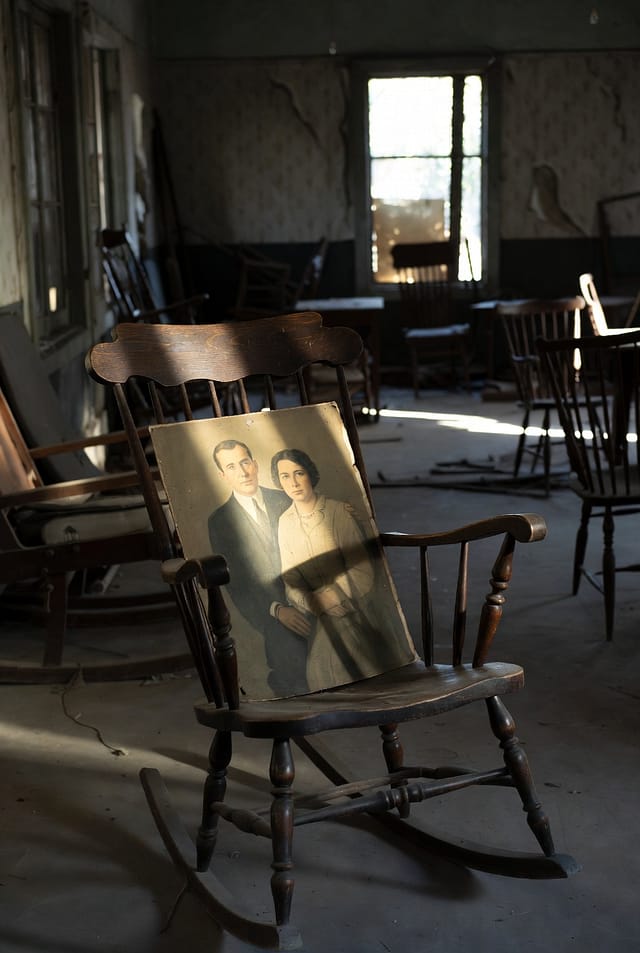
Maintenance is rarely celebrated.
Repair is almost never admired.
They happen in the background, between milestones, after headlines fade. They are the work of noticing small failures before they become irreversible ones. They are acts of attention, patience, and responsibility—performed without applause.
At Home & Art Magazine, Maintenance & Repair exists to examine the essential labor that keeps homes, buildings, objects, and systems functional over time. This is not about upgrades or reinvention. It is about continuity.
Nothing that lasts does so by accident.
Why maintenance matters
Modern culture is oriented toward replacement. When something breaks, it is often cheaper—or at least faster—to discard it and begin again. Buildings are renovated instead of cared for. Objects are replaced instead of repaired. Skills that once passed between generations are outsourced or forgotten.
The result is not progress alone. It is fragility.
Maintenance is what makes permanence possible. Repair is what allows systems to absorb use, weather, age, and human error without collapse. This section exists to restore attention to that reality.
Maintenance as responsibility
Maintenance is not simply technical. It is ethical.
To maintain something is to acknowledge:
-
that it has value beyond novelty
-
that someone will depend on it tomorrow
-
that neglect has consequences
Homes that are not maintained deteriorate quietly until failure becomes visible—and expensive. Cities that defer maintenance accumulate risk. Infrastructure ignored does not remain neutral; it becomes dangerous.
We examine maintenance as a form of stewardship: the choice to preserve function, safety, and dignity over time.
Repair as knowledge
Repair requires understanding.
To repair something, one must learn:
-
how it was made
-
how it was intended to function
-
where it fails first
-
what can be restored, and what cannot
Repair work exposes design decisions. It reveals whether something was built to last, to be serviced, or simply to be replaced. In this way, repair becomes a form of critique.
We explore repair not as a workaround, but as a way of understanding systems—domestic, architectural, and civic—from the inside.
The home as a maintenance system
A home is not static. It is a system under constant strain.
Water moves through it.
Air circulates.
Surfaces wear.
Structures settle.
Maintenance is how a home remains habitable rather than merely standing.
This section looks at:
-
the rhythms of upkeep
-
deferred maintenance and its costs
-
seasonal cycles of care
-
the difference between cosmetic change and functional repair
-
how maintenance affects comfort, safety, and longevity
A well-maintained home does not call attention to itself.
That is its success.
Repair, labor, and dignity
Maintenance and repair are forms of labor that are often invisible until they fail. The people who do this work—carpenters, plumbers, electricians, maintenance staff, caretakers—are essential to the functioning of daily life, yet rarely centered in cultural narratives.
We take this labor seriously.
This section recognizes:
-
skill as accumulated knowledge
-
maintenance work as expertise
-
repair as problem-solving under constraint
-
dignity in care over spectacle
The built world does not maintain itself. People do.
Architecture and maintenance
Architecture is often discussed in terms of vision. Maintenance reveals its truth.
Buildings designed without consideration for maintenance age poorly. Those designed with serviceability in mind develop character rather than decay. Maintenance exposes whether architecture was conceived for use—or for image.
We examine:
-
how materials age
-
how design choices affect upkeep
-
maintenance as a design consideration
-
adaptive repair versus demolition
-
what long-lived buildings teach us
Endurance is not aesthetic. It is practical.
Repair versus replacement
Replacement is immediate. Repair is deliberate.
This section explores:
-
when repair is possible—and when it is not
-
the economics of maintenance versus replacement
-
emotional attachment to repaired objects and spaces
-
repair as resistance to disposability
-
how repair extends the life of systems
Repair does not restore something to its original state.
It carries evidence of use. That evidence is not failure. It is history.
What belongs here
Maintenance & Repair includes work that examines:
-
upkeep of homes and buildings
-
systems that quietly fail or endure
-
labor and craft behind repair
-
long-term consequences of neglect
-
design decisions revealed through wear
-
care as a form of responsibility
What does not belong here:
-
cosmetic makeovers
-
trend-driven renovation
-
novelty for its own sake
This is a section about keeping things going.
A closing note
Maintenance and repair are not glamorous because they are not performative. They are commitments made repeatedly, often unnoticed, in service of continuity.
In a culture drawn to the new, this work can appear secondary. It is not.
Maintenance is how life remains possible between moments of change.
Repair is how systems learn to survive use.
What we maintain reflects what we value.
What we repair reveals what we are willing to take responsibility for.
