
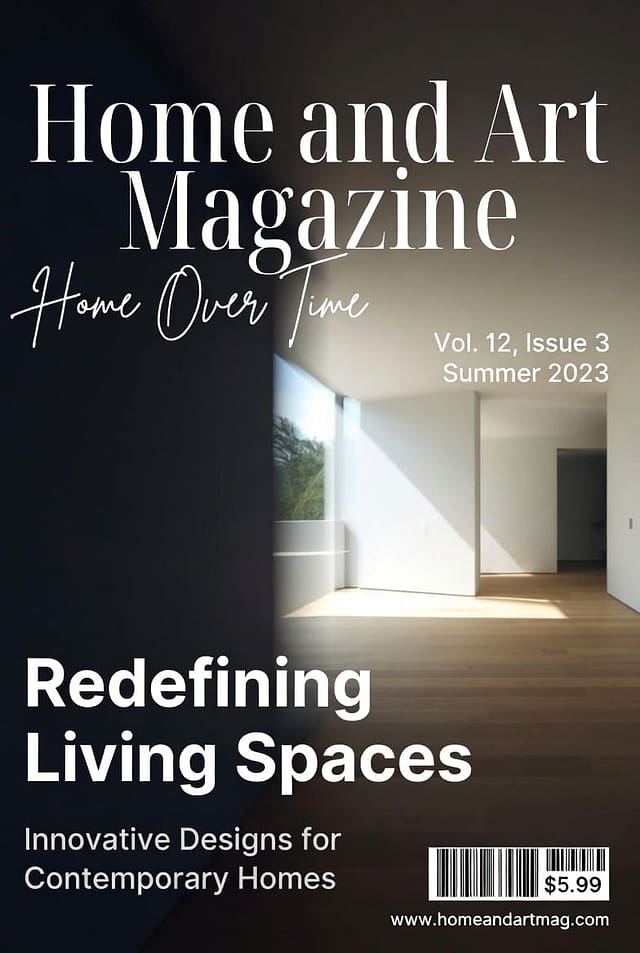
Home Over Time: The Evolution of Domestic Spaces
In the vast narrative of human civilization, our homes stand as silent witnesses to the passage of eras, embodying the spirit of their times through architecture, design, and artistry. Far from static shelters, homes have evolved in tandem with societal changes, technological breakthroughs, and cultural movements. This journey from rudimentary caves to intelligent, eco-conscious abodes reveals not just practical adaptations but also the profound ways in which art has infused everyday living with beauty and meaning. In this in-depth exploration, we trace the transformation of domestic spaces across millennia, examining how each period’s innovations and artistic expressions have shaped the places we call home. By understanding this evolution, we gain insight into our own living environments and the potential futures they hold.
Ancient Origins: From Caves to Civilized Dwellings
The story of homes begins in prehistory, where survival dictated form. During the Paleolithic era, around 2.5 million years ago, early humans sought refuge in natural caves, such as those in Lascaux, France, adorned with vivid paintings of animals and hunts. These weren’t mere decorations; they served ritualistic purposes, blending art with spirituality in the domestic sphere. As agriculture emerged around 10,000 BCE in the Neolithic Revolution, permanent settlements arose. In sites like Jericho in the Levant, homes were circular structures made of sun-dried mud bricks, often clustered for community protection.
Venturing into ancient civilizations, Egyptian homes along the Nile exemplified environmental harmony. Built from adobe and papyrus reeds, these dwellings featured flat roofs for sleeping under the stars and courtyards for ventilation in the arid climate. Interiors were alive with art: walls painted with scenes of daily life, gods, and the afterlife, using vibrant pigments from minerals. Furniture like ebony chairs inlaid with ivory reflected social status, while amulets and statues integrated spiritual art into the home.
In Mesopotamia, ziggurat-inspired homes used baked bricks for durability, with upper classes enjoying terraced gardens—a precursor to modern green spaces. Greek homes, or oikoi, centered around the andron (men’s room) and gynaikon (women’s quarters), with pottery and friezes depicting myths. The Romans advanced this further with domus designs, incorporating atriums for rainwater collection and impluviums as focal points. Innovations like the hypocaust for underfloor heating allowed for year-round comfort, while mosaics—intricate floors of colored stones depicting gods, battles, or nature—turned homes into artistic galleries. Pompeii’s preserved villas showcase frescoes with trompe-l’œil effects, creating illusions of gardens or architecture, demonstrating how Romans used art to expand perceived space.
These ancient homes prioritized functionality—protection from elements, storage for goods, and spaces for family rituals—yet art was inseparable, serving as a medium for cultural storytelling and personal expression. This era laid the foundation for homes as multifaceted environments, where practicality met aesthetic aspiration.
Medieval Fortifications: Security and Symbolism
The fall of the Roman Empire ushered in the Middle Ages (5th–15th centuries), a time of feudalism and uncertainty, where homes doubled as defenses. Peasant cottages were simple thatched huts of wattle and daub, with earthen floors and central hearths for cooking and warmth. Art appeared in folk embroidery on linens or carved wooden utensils, reflecting rural life.
For nobility, castles evolved from wooden motte-and-bailey structures to stone fortresses like England’s Windsor Castle. Thick walls, moats, and drawbridges ensured security, but interiors softened with tapestries—woven masterpieces depicting biblical stories or hunts, which also insulated against drafts. Gothic architecture introduced pointed arches, ribbed vaults, and flying buttresses, allowing for larger windows filled with stained glass. These kaleidoscopic panels, as in Chartres Cathedral’s influence on manor homes, flooded spaces with colored light, narrating religious tales and elevating the mundane.
As trade flourished, merchant homes in cities like Venice featured Gothic elements blended with Byzantine influences, such as ornate balconies and frescoed ceilings. The Black Death in the 14th century prompted design shifts toward better hygiene, with separate kitchens and privies. Art during this period included illuminated manuscripts stored in home libraries, and reliquaries—jeweled boxes for sacred artifacts—adding spiritual depth.
The late Middle Ages saw the rise of half-timbered Tudor homes in England, with exposed wooden frames and whitewashed plaster, often decorated with carved motifs of flora and fauna. Furniture like great oak tables and canopied beds became canvases for craftsmanship, symbolizing stability amid chaos. Overall, medieval homes reflected a world in flux, where art provided solace, status, and a connection to the divine, transforming fortresses into personalized sanctuaries.
Renaissance and Enlightenment: Humanism in Habitat
The Renaissance (14th–17th centuries) heralded a revival of classical antiquity, emphasizing symmetry, proportion, and humanism in home design. In Italy, palazzos like Florence’s Palazzo Vecchio boasted grand facades with rusticated stone and internal courtyards inspired by Roman atriums. Architects like Brunelleschi introduced linear perspective, mirrored in paintings by Leonardo da Vinci, which adorned walls to create depth illusions.
Interiors featured frescoes by Raphael or Botticelli, depicting allegories of virtue, while furniture evolved into elaborate cassoni (chests) painted with mythological scenes. The spread of printing allowed for home libraries filled with illustrated books, democratizing knowledge and art.
The Baroque period followed, with opulent homes like Versailles in France, where Louis XIV’s palace influenced bourgeois residences with gilded mirrors, chandeliers, and trompe-l’œil ceilings simulating skies. Rococo in the 18th century brought lighter, playful designs—curved furniture, pastel colors, and porcelain figurines by Meissen, emphasizing elegance over grandeur.
Enlightenment ideals fostered rational layouts, with Adam brothers in Britain promoting neoclassical symmetry in townhouses, incorporating columns and pediments. Art collections became central, with salons hosting intellectual gatherings amid portraits by Gainsborough. Colonial homes in America adapted these, like Georgian styles with balanced windows and fanlights, blending European art with local crafts like quilts.
This era marked homes as extensions of the self, where art and architecture celebrated human potential, shifting from medieval introspection to outward expression.
Industrial Revolution to Modernism: Innovation and Mass Appeal
The 19th-century Industrial Revolution mechanized production, urbanizing societies and transforming homes. Victorian terraced houses in London used cast iron for railings and mass-produced bricks, allowing intricate Gothic Revival details like pointed arches. Interiors exploded with eclecticism: William Morris’s Arts and Crafts wallpapers rejected machine uniformity, favoring hand-printed floral patterns inspired by nature.
Plumbing innovations brought indoor toilets, while gas and later electric lighting enabled elaborate chandeliers. Art Nouveau, led by Alphonse Mucha, introduced sinuous lines in stained glass lamps by Tiffany, integrating organic forms into decor.
The 20th century’s modernism stripped excess. Bauhaus principles—”form follows function”—influenced homes like Le Corbusier’s Villa Savoye, with open plans and pilotis (stilts). Frank Lloyd Wright’s Prairie style emphasized horizontal lines and integration with landscapes, as in Robie House, where stained glass windows abstracted nature.
Mid-century modern, post-WWII, popularized by Eames and Saarinen, featured modular furniture like the fiberglass shell chair, blending sculpture with utility. Suburbs boomed with ranch homes, incorporating Pop Art influences—Warhol-inspired prints adding bold colors.
Art became accessible: abstract expressionism by Pollock adorned walls, while minimalism favored clean spaces with neutral palettes.
Contemporary and Future Visions: Sustainability and Smart Living
Today, homes grapple with globalization and environmental concerns. Postmodernism mixes styles, as in Gehry’s deconstructivist residences with twisted forms. Sustainable designs use passive solar, recycled materials, and green roofs, with biophilic elements like indoor gardens enhancing well-being.
Smart technology integrates AI for voice-controlled lights and security, while digital art—NFTs displayed on screens—redefines decor. Movements like Japandi blend Scandinavian minimalism with Japanese zen, using natural woods and ceramics.
Looking forward, homes may incorporate 3D-printed structures, adaptive materials that change with weather, and virtual reality extensions for infinite spaces. Art will evolve with interactive installations, like AI-generated murals responding to inhabitants.
In retrospect, the evolution of homes mirrors humanity’s progress—from survival to self-actualization. Art remains the thread, weaving beauty into functionality, ensuring our spaces inspire across time.
Explore more on our site for articles on specific eras or modern trends.
