
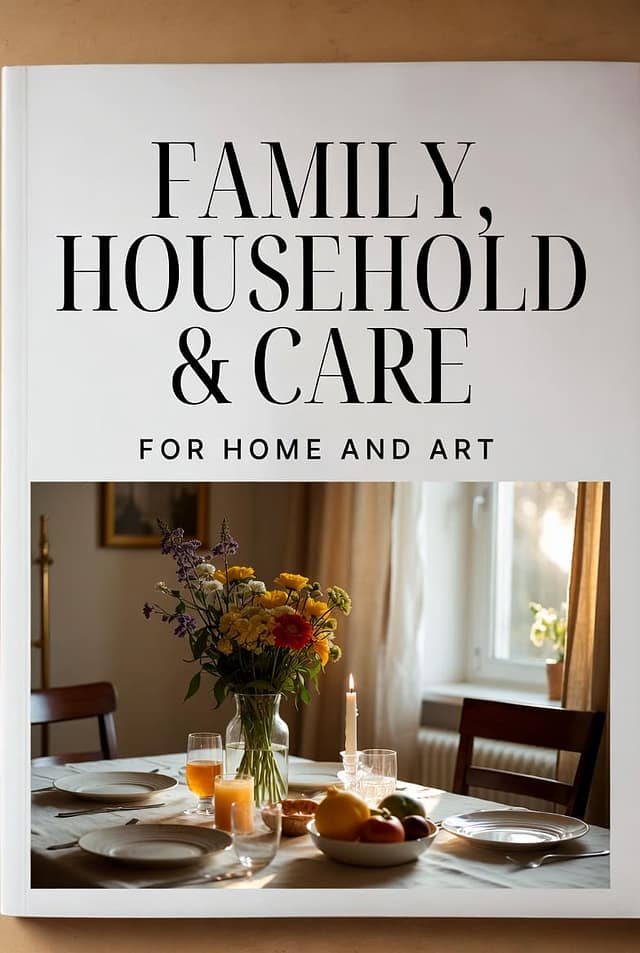
Family, Household & Care: Nurturing Bonds Through Home Design and Art
The concepts of family, household, and care are interwoven threads in the fabric of human existence, shaping how we live, interact, and thrive within our domestic spaces. A family extends beyond blood relations to encompass chosen kin and communities; the household serves as the physical and emotional container for daily life; and care represents the acts of nurturing, support, and maintenance that sustain both people and places. In the realm of home and art, these elements manifest through intentional design choices, artistic expressions, and evolving cultural practices. This exploration delves into their historical development, psychological underpinnings, and modern applications, illustrating how homes can be crafted to foster deeper connections, well-being, and resilience. By integrating art and thoughtful architecture, we transform houses into nurturing environments that honor the complexities of family life.
Historical Perspectives: From Clan Dwellings to Nuclear Homes
The evolution of family and household structures has profoundly influenced home design across eras. In prehistoric times, extended clans lived in communal huts or longhouses, such as those of the Iroquois in North America, where multiple generations shared spaces around central fires. These dwellings emphasized collective care—storytelling circles adorned with cave-like paintings or totems served as artistic reminders of lineage and shared responsibilities, blending utility with cultural memory.
Ancient civilizations refined this. In Mesopotamia and Egypt, households often included servants and extended kin, with homes featuring courtyards for communal activities like child-rearing and elder care. Egyptian wall art depicted family scenes of harvest and rituals, using symbolic colors—red for vitality, blue for fertility—to invoke protection and prosperity. Greek oikoi (households) centered on the hearth goddess Hestia, symbolizing familial unity, while Roman familia encompassed slaves and dependents, with villa mosaics illustrating banquets and childcare, highlighting care as a societal duty.
Medieval Europe saw feudal households as microcosms of society. Manor houses accommodated lords, kin, and serfs, with great halls for feasts and tapestries weaving tales of family heraldry. Art in illuminated manuscripts captured domestic care—mothers nursing infants or families in prayer—reinforcing moral values. The Renaissance shifted toward smaller, nuclear units amid urbanization, with Italian palazzos incorporating private family quarters. Paintings by artists like Jan van Eyck, such as the Arnolfini Portrait, symbolized marital bonds and household prosperity through intricate details of furnishings and gestures.
The Industrial Revolution disrupted traditional households, as factory work separated families, leading to Victorian ideals of domesticity. Homes featured nurseries and parlors, with art like sentimental prints by Mary Cassatt depicting mother-child bonds, emphasizing care as women’s domain. This era also saw the rise of orphanages and asylums, reflecting societal care systems mirrored in home designs with invalid rooms equipped for nursing.
Throughout history, art has documented and shaped family dynamics— from ancestral portraits preserving legacies to decorative objects like quilts stitched with family stories, embedding care into the household’s aesthetic.
Psychological Dimensions: Building Emotional Security
At its core, care within the household fosters psychological safety, a concept rooted in attachment theory by John Bowlby, which posits that secure bonds in early life lead to resilient adults. Homes designed for family interaction—open kitchens for shared meals or cozy nooks for conversations—promote these bonds. Research from the American Psychological Association shows that spaces encouraging proximity reduce anxiety and enhance empathy.
Belonging emerges when households reflect diverse family forms, from single-parent setups to multigenerational living. In Asian cultures, like Japanese ie (household) systems, homes with tatami rooms and sliding fusuma doors allow flexible arrangements for elder care, adorned with ink paintings symbolizing harmony. Art therapy studies indicate that creating family collages or murals strengthens identity, turning walls into canvases of shared history.
Comfort in care involves sensory elements: soft lighting for bedtime stories, ergonomic furniture for aging bodies. Biophilic designs with plants mimic nurturing environments, as per Kaplan’s attention restoration theory, aiding mental health. For caregivers, dedicated spaces like home offices with inspirational art—abstract pieces by Georgia O’Keeffe evoking growth—prevent burnout.
In blended families, art bridges gaps; custom portraits merging old and new members foster inclusion. Households with pets or foster children benefit from adaptable designs, like modular shelving for mementos, reinforcing care as an inclusive practice.
Modern Applications: Inclusive and Sustainable Households
Contemporary households navigate fluidity—remote work, aging populations, and diverse structures demand adaptive designs. Scandinavian hygge emphasizes cozy, family-centric spaces with natural materials and minimalist art, like wooden sculptures by Arne Jacobsen, promoting warmth and care.
Technology integrates care: smart monitors for baby rooms or elder alerts, paired with digital art frames displaying family photos. Sustainable households use eco-materials, teaching environmental care to future generations—recycled glass vases or solar-powered lights blend function with artistry.
Art in modern homes amplifies family narratives. Street art influences like Banksy’s family-themed stencils add social commentary, while DIY projects—painted family trees—engage all ages. In urban apartments, vertical gardens and multifunctional furniture maximize space for caregiving, with murals by artists like Diego Rivera depicting communal labor.
Challenges like work-life balance are addressed through home gyms or meditation corners adorned with calming mandalas. For LGBTQ+ families, inclusive art—rainbow motifs or portraits by Keith Haring—affirms belonging. Global migration inspires fusion designs: Moroccan rugs in American homes symbolize cultural care.
Policy influences household care; affordable housing initiatives incorporate community gardens and play areas, enhanced by public art installations fostering neighborhood bonds.
Future Visions: Adaptive Care in Evolving Families
Looking ahead, households may embrace AI companions for care—robots assisting with chores, programmed with family lore via interactive holograms. Virtual reality could reunite dispersed families in simulated homes, with customizable art avatars.
Climate-resilient designs will prioritize communal care pods in eco-villages, using bio-art like living moss walls. Art will evolve with NFTs of family heirlooms, preserving digital legacies.
Yet, core principles remain: empathy in design, art as expression, and flexibility for diverse needs. By centering family, household, and care, homes become sanctuaries of growth.
In summary, family, household, and care form a dynamic triad, elevated by art and design to nurture human connections across time. Whether through historical artifacts or futuristic innovations, these elements remind us that home is where care flourishes, bonds strengthen, and lives intertwine.
For deeper dives, check our articles on multigenerational living and art therapy in home settings.
