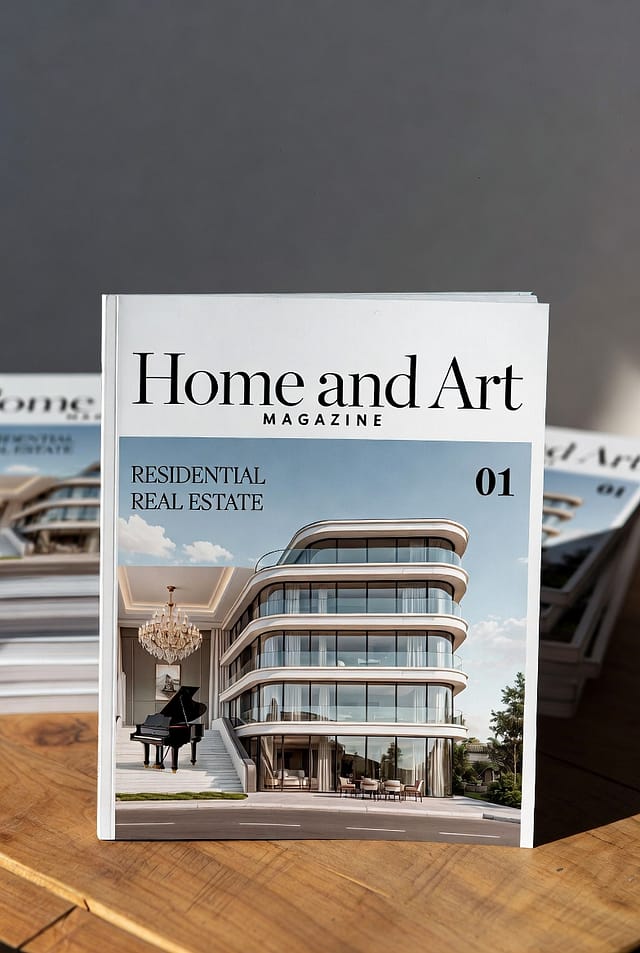
Residential real estate is more than a market category—it is the foundation of how people live, gather, create, and build generational wealth. At Home and Art Magazine, we explore residential real estate as both a financial asset and a deeply personal expression of lifestyle, architecture, and design. From urban lofts to countryside estates, homes reflect culture, innovation, and the evolving needs of modern living.
The Meaning of Home
A residence is not simply a structure; it is a canvas for life. Residential real estate includes single-family homes, condominiums, townhouses, duplexes, modular homes, and luxury estates. Whether located in a bustling metropolis like New York City or along the sunny coastlines of San Diego, each property carries architectural character shaped by geography, climate, and community.
Today’s buyers are looking beyond square footage. They seek intentional layouts, natural light, sustainability, and spaces that support hybrid lifestyles—where work, wellness, and family life coexist seamlessly.
Market Trends and Investment Value
Residential real estate remains one of the most reliable long-term investment vehicles. Property ownership builds equity, provides tax advantages, and often appreciates over time. Market conditions fluctuate due to interest rates, supply and demand, and economic cycles, but housing consistently plays a central role in financial planning.
Emerging trends include:
-
Energy-efficient and net-zero homes
-
Smart-home automation systems
-
Flexible floor plans for multigenerational living
-
Walkable communities near mixed-use developments
-
Increased demand for suburban and secondary markets
In recent years, migration patterns have shifted as remote work gained momentum. Buyers are prioritizing lifestyle and affordability over proximity to corporate offices. Suburban regions and smaller cities have seen strong growth as a result.
Architecture and Design Influence
Residential real estate is inseparable from architecture and interior design. From mid-century modern influences inspired by Frank Lloyd Wright to contemporary minimalist movements rooted in Scandinavian aesthetics, design trends shape buyer preferences and property values.
Open-concept living remains popular, yet homeowners are increasingly reintroducing defined spaces for privacy and focus. Kitchens continue to function as social hubs, often featuring statement islands, natural stone surfaces, and artisan lighting. Outdoor living areas—complete with patios, gardens, and even outdoor kitchens—expand usable square footage and enhance quality of life.
Sustainable building materials such as reclaimed wood, low-VOC paints, and energy-efficient windows are no longer niche features—they are expectations. Buyers want homes that are environmentally responsible without sacrificing luxury or comfort.
Technology and the Modern Homebuyer
Digital innovation has transformed the residential buying and selling process. Virtual tours, drone photography, and online listing platforms provide unprecedented access to properties. Buyers can explore homes remotely before ever scheduling a showing.
Smart technology inside the home also plays a growing role in valuation. Integrated security systems, programmable climate control, solar panels, and electric vehicle charging stations add convenience and long-term cost savings.
Real estate professionals are adapting as well, leveraging social media marketing, data analytics, and personalized branding to reach targeted audiences. Storytelling has become just as important as square footage when marketing a property.
Community and Lifestyle
Residential real estate is deeply connected to community identity. School districts, local businesses, public parks, and cultural amenities influence buying decisions as much as the home itself. Walkability, safety, and neighborhood character all contribute to property appeal.
Urban buyers may gravitate toward vibrant arts districts filled with galleries and cafes, while others prefer gated communities or rural landscapes offering privacy and space. Lifestyle alignment is now a primary driver in purchasing decisions.
The Emotional and Generational Impact
For many families, purchasing a home represents stability and legacy. It can mark a first milestone for young professionals or serve as a multigenerational estate passed down over time. Residential real estate supports community growth, personal security, and wealth transfer.
As housing continues to evolve—with modular construction, eco-conscious development, and innovative financing models—its purpose remains constant: to provide shelter, comfort, and belonging.
At Home and Art Magazine, residential real estate is viewed through both an artistic and economic lens. It is where architecture meets aspiration, where design intersects with daily life, and where investment becomes deeply personal. Whether buying, building, renovating, or simply dreaming, the world of residential real estate continues to shape how we live—and how we imagine home.
