
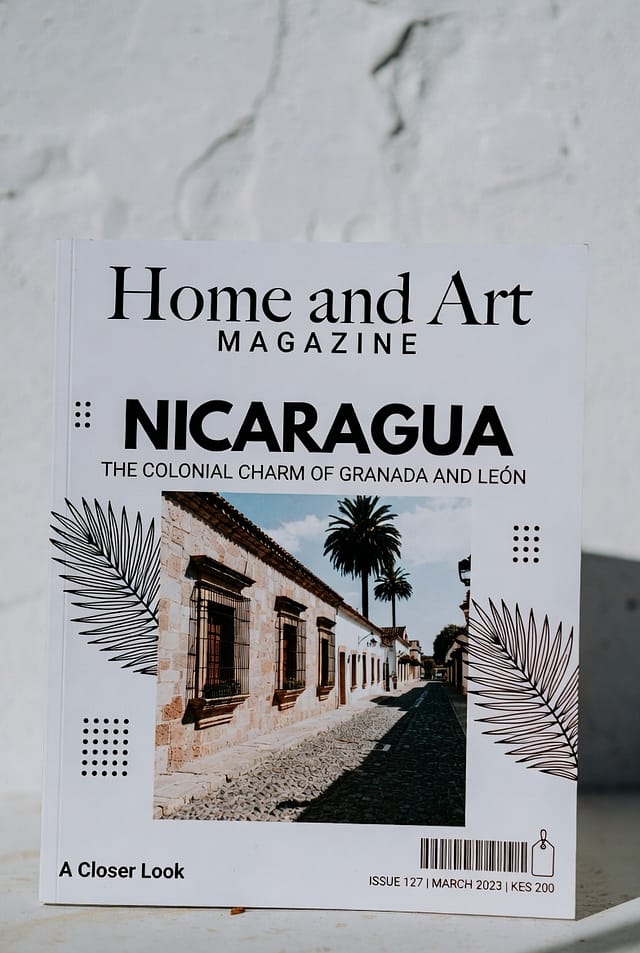
Nicaragua: Where Color, Craft, and Colonial Heritage Shape Design
In Nicaragua, home and art are inseparable from landscape, history, and handcrafted tradition. From the cobblestone streets of Granada to the lakeside beauty of León and the creative pulse of Managua, the country’s aesthetic identity is rooted in colonial architecture, Indigenous artistry, and a deep connection to nature. Nicaragua’s homes tell stories—of resilience, of vibrant culture, and of generations who understand the power of craft.
Colonial Architecture and Courtyard Living
Spanish colonial influence remains central to Nicaraguan architecture. In historic cities like Granada and León, brightly painted facades in shades of cobalt, ochre, coral, and mint line narrow streets. Behind these bold exteriors, traditional homes often open into interior courtyards filled with tropical greenery, tiled fountains, and shaded walkways.
Thick adobe walls and high ceilings help regulate temperature in the warm climate, while clay roof tiles and wooden beams reflect centuries-old construction techniques. These architectural features are not simply aesthetic—they are practical, sustainable solutions shaped by environment and history. Today, many homeowners and designers are restoring colonial properties, blending historic character with modern furnishings, artisan lighting, and locally sourced materials.
Craft Traditions and Decorative Arts
Nicaragua’s artistic heritage is deeply influenced by Indigenous communities and rural craftsmanship. Handwoven textiles, carved wooden furniture, and ceramic pottery remain central to home décor. In particular, the town of San Juan de Oriente is celebrated for its intricate pottery traditions, where artisans create detailed geometric and nature-inspired designs using techniques passed down through generations.
Hammocks—an iconic symbol of Nicaraguan relaxation—are often woven by hand and displayed both indoors and outdoors. These colorful textiles add movement and vibrancy to patios, verandas, and open-air living spaces.
Wood carving is another defining element of Nicaraguan decorative arts. From rustic dining tables crafted from local hardwoods to hand-carved doors and religious iconography, craftsmanship remains highly valued. Markets throughout Masaya showcase an array of artisan goods, including ceramics, leatherwork, embroidered garments, and painted masks used in traditional festivals.
Art, Identity, and Cultural Expression
Nicaragua’s art scene reflects its layered history and powerful national identity. The legacy of poet and diplomat Rubén Darío, one of Latin America’s most influential literary figures, continues to shape cultural pride and creative expression. Murals, public sculptures, and gallery spaces often blend political commentary with folkloric themes.
In urban centers like Managua, contemporary artists explore themes of migration, environmental preservation, and social change, using mixed media and installation art to reflect modern realities. Meanwhile, traditional dance, costume design, and religious festivals continue to inspire vibrant visual storytelling in both public and private spaces.
Art in Nicaragua is not confined to galleries—it lives in homes. Hand-painted ceramics, woven wall hangings, and family heirlooms become focal points in living rooms and courtyards, merging memory with design.
Nature as Inspiration
Few countries offer such dramatic natural beauty. With Lake Nicaragua—the largest lake in Central America—volcanic landscapes, and Pacific coast beaches, the environment strongly influences interior and exterior design. Homes often incorporate natural ventilation, shaded terraces, and open layouts that blur the line between indoor and outdoor living.
Materials such as bamboo, volcanic stone, terracotta, and reclaimed wood are widely used in sustainable construction. Eco-conscious design is growing, especially in coastal communities where boutique hotels and private residences prioritize solar energy, rainwater collection, and organic landscaping.
The presence of volcanoes—including the iconic silhouette near Granada—adds a dramatic backdrop that informs color palettes and textures. Earthy tones, deep blues, and lush greens mirror Nicaragua’s terrain.
Modern Growth and Creative Revival
As tourism and international interest increase, Nicaragua’s creative economy continues to evolve. Restored colonial homes now function as galleries, cafés, and boutique guesthouses. Young designers are blending traditional craftsmanship with minimalist aesthetics, producing furniture and décor that appeal to both local and global markets.
Design-forward hospitality spaces in cities like León highlight exposed brick walls, artisan tiles, and curated artwork, demonstrating how heritage can coexist with contemporary vision.
A Living Canvas
Nicaragua is a living canvas where history, artistry, and daily life intertwine. Homes are not merely structures—they are vibrant expressions of culture, community, and creativity. Whether through the cool shade of a courtyard, the texture of handwoven textiles, or the bold hue of a colonial façade, Nicaraguan design reflects a people deeply connected to place and tradition.
In every handcrafted detail and sunlit terrace, Nicaragua continues to inspire a timeless appreciation for artful living.
