Nebraska’s creative identity is rooted in wide-open landscapes, agricultural heritage, and a deep respect for craftsmanship. Often called the “Cornhusker State,” Nebraska balances rural beauty with vibrant cultural institutions that shape its artistic voice. From the rolling Sandhills to the urban energy of Omaha and Lincoln, the state offers a compelling blend of architecture, public art, and interior design influenced by both tradition and innovation.
In Omaha, historic brick warehouses and industrial buildings have been thoughtfully reimagined into galleries, lofts, and creative studios. The Old Market district, with its cobblestone streets and preserved 19th-century facades, demonstrates how adaptive reuse can celebrate history while supporting modern lifestyles. Contemporary homes in the city often feature open-concept layouts, exposed beams, and large windows that capture natural Midwestern light. Cultural landmarks such as the Joslyn Art Museum reflect Nebraska’s commitment to fine art, housing impressive collections that span centuries and continents.
Lincoln, home to the University of Nebraska, brings youthful energy and academic influence to the state’s creative landscape. The Sheldon Museum of Art stands as a cornerstone of artistic engagement, showcasing American art in a striking modernist building. Residential architecture in Lincoln ranges from charming historic neighborhoods with Craftsman-style homes to sleek, newly built residences emphasizing sustainability and energy efficiency. Green building practices, including solar integration and responsibly sourced materials, are increasingly shaping the way Nebraskans design and renovate their homes.
Beyond its urban centers, Nebraska’s small towns reveal a distinct aesthetic rooted in practicality and pride. Farmhouses, barns, and grain silos have inspired a popular rustic-modern design style that blends reclaimed wood, galvanized steel, and neutral palettes. Interiors often reflect a connection to land and legacy, incorporating handmade quilts, heirloom furniture, and artisan pottery. This emphasis on craftsmanship aligns with Nebraska’s strong agricultural identity, where beauty is found in utility and honest materials.
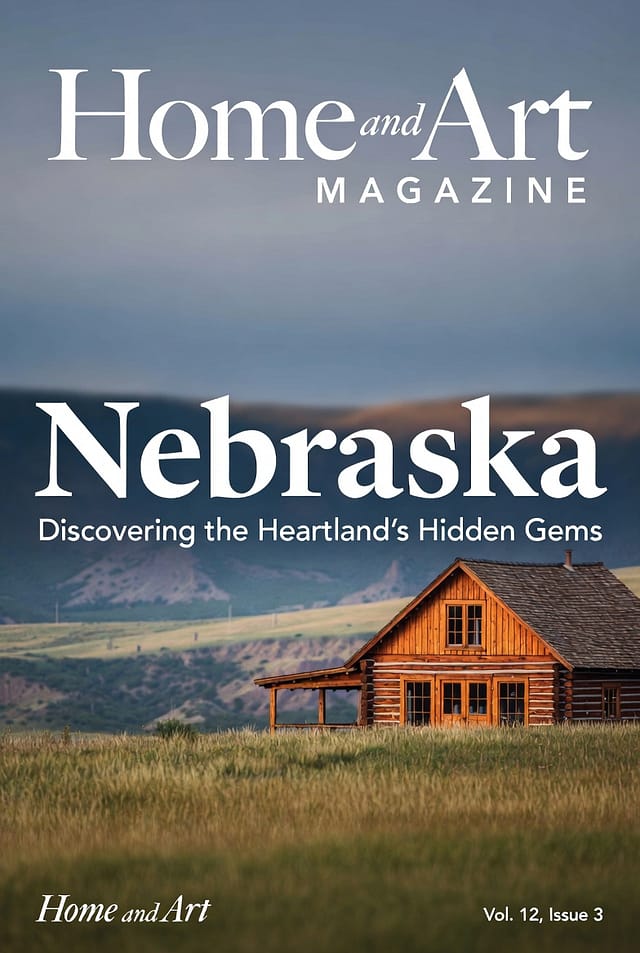
The natural environment plays a significant role in shaping Nebraska’s design sensibility. The vast Sandhills region, one of the largest intact prairie ecosystems in the world, inspires architecture that harmonizes with the landscape. Earth-toned exteriors, low-profile structures, and expansive porches are common features, allowing homes to blend seamlessly with the horizon. Large picture windows frame sweeping views of grasslands and dramatic sunsets, turning nature itself into a living work of art.
Public art and community murals further enrich Nebraska’s creative spirit. Cities and towns across the state invest in sculptures, installations, and performance spaces that celebrate local stories and cultural diversity. Annual art walks, craft fairs, and design festivals create opportunities for residents to engage directly with artists and makers. These events strengthen community bonds and highlight the importance of art as both economic driver and cultural connector.
Nebraska’s culinary spaces also reflect thoughtful design. Farm-to-table restaurants often incorporate reclaimed barn wood, industrial lighting, and open kitchens to create welcoming environments that mirror the authenticity of the food served. The integration of art into hospitality settings—from locally commissioned paintings to handcrafted furniture—demonstrates how design enhances everyday experiences.
Innovation continues to shape Nebraska’s housing future. Modular construction, smart home technology, and energy-conscious planning are becoming more common, particularly in growing suburban developments. Architects and builders are exploring ways to combine affordability with high design, ensuring that beautiful, functional homes are accessible to a broader range of residents. This forward-thinking mindset reflects a state that honors its roots while embracing progress.
Education and community programs further support Nebraska’s creative growth. Workshops in woodworking, ceramics, and textile arts preserve traditional skills while encouraging experimentation. Local colleges and arts organizations collaborate to provide exhibitions, lectures, and residencies that nurture emerging talent. These initiatives ensure that the state’s artistic heritage continues to evolve.
Nebraska’s seasons also influence interior design choices. Cold winters inspire cozy, layered interiors with fireplaces, textured fabrics, and warm lighting. Summers encourage outdoor living spaces, including expansive decks, pergolas, and landscaped gardens that maximize time spent outside. The rhythm of the seasons shapes not only daily life but also the aesthetic preferences of homeowners and designers.
Ultimately, Nebraska’s home and art scene reflects resilience, authenticity, and a profound respect for place. Whether through the preservation of historic architecture, the celebration of prairie landscapes, or the embrace of modern innovation, the state’s creative expression remains grounded in community and craftsmanship. Nebraska proves that inspiring design can flourish anywhere—especially where tradition and imagination meet beneath an endless Midwestern sky.
