
Home and Art Magazine: Massachusetts
Massachusetts is a place where history and innovation live side by side, and that contrast shows up beautifully in its homes, studios, and public spaces. From centuries-old clapboard houses to bold contemporary interiors, the state’s design culture is rooted in storytelling. Every neighborhood seems to carry a memory, and every renovation feels like a conversation between past and present.
Nowhere is that dialogue more vivid than in Boston, a city that wears its layers of time with pride. Brick townhouses sit comfortably beside glass-and-steel additions, and classic brownstones are often refreshed with airy, modern interiors that still respect their bones. Walk along the Freedom Trail, and you’ll notice how preservation and creativity coexist—restored facades, adaptive reuse projects, and small design studios tucked into historic buildings. The result is a visual rhythm that feels both timeless and current.
Education and culture play a huge role in shaping the region’s aesthetic. Institutions like Harvard University have influenced not just architecture, but also the broader creative community—fueling galleries, experimental spaces, and a steady flow of designers who bring fresh ideas to old streets. This blend of academic rigor and artistic curiosity has made the state a quiet trendsetter, especially when it comes to thoughtful, livable design.
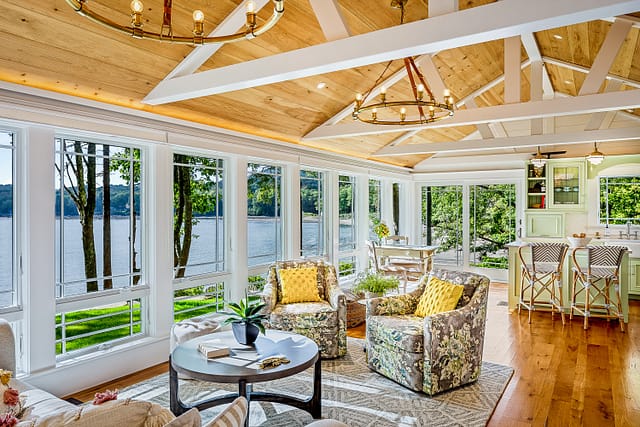
Beyond the city, Massachusetts opens into landscapes that inspire a different kind of beauty. Along Cape Cod, the design language shifts toward light, texture, and a close relationship with nature. Weathered shingles, breezy interiors, and palettes pulled from sand and sea define many coastal homes. Here, “luxury” often means simplicity done well: open kitchens for long lunches, wide porches for sunset views, and rooms that invite the outdoors in without fuss.
Just offshore, Martha’s Vineyard offers another take on coastal elegance. The island’s cottages and summer homes balance tradition with quiet refinement—think classic forms updated with natural materials, artisan details, and carefully curated art. It’s a style that feels relaxed but intentional, where craftsmanship matters as much as comfort.
Travel north and you’ll find a different mood in Salem, a city famous for its history and maritime heritage. Here, design often leans into character: restored captain’s houses, dramatic color choices, and interiors that celebrate antique pieces alongside contemporary art. The charm lies in the contrast—old beams meeting modern lighting, or historic layouts softened by clean, minimalist furnishings.
Massachusetts also has a deep respect for origins, and few symbols capture that better than Plymouth Rock. While it’s a small object with an oversized reputation, its presence reminds residents and designers alike that stories matter. Many homes across the state reflect this mindset, weaving heirloom pieces into new spaces or preserving architectural details while updating how rooms function for modern life.
What truly defines the Massachusetts design scene is its balance. It’s not about chasing trends for their own sake; it’s about making spaces that feel authentic, useful, and quietly beautiful. You’ll see kitchens designed for real cooking, living rooms meant for long conversations, and workspaces that value light and calm as much as style. Sustainability, too, plays a growing role—reclaimed wood, energy-efficient layouts, and thoughtful renovations that extend the life of historic structures without erasing their character.
Art follows the same philosophy. Local galleries and studios often highlight work that connects to place—coastal landscapes, urban scenes, or abstract pieces inspired by New England’s shifting seasons. Whether displayed in a minimalist loft or a centuries-old home, the art feels grounded, as if it belongs exactly where it is.
In the end, Massachusetts offers a design story that’s rich, layered, and deeply human. It’s a place where homes are not just styled, but lived in; where art is not just displayed, but felt. For Home and Art Magazine, it’s a reminder that the best spaces don’t shout—they resonate, carrying history forward while making room for what comes next.
