Home and Art Magazine: Liquor
Liquor sits at a fascinating crossroads of culture, craft, and design. In the home, it’s both a ritual and a visual statement—something you savor and something you display. A well-curated bar cart can feel like a small gallery: glassware becomes sculpture, labels become typography studies, and bottles turn into color studies that shift with the light. The story of spirits is also a story of place, and that sense of origin—whether it’s the limestone-filtered water of Kentucky or the misty coasts of Scotland—adds texture to every pour.
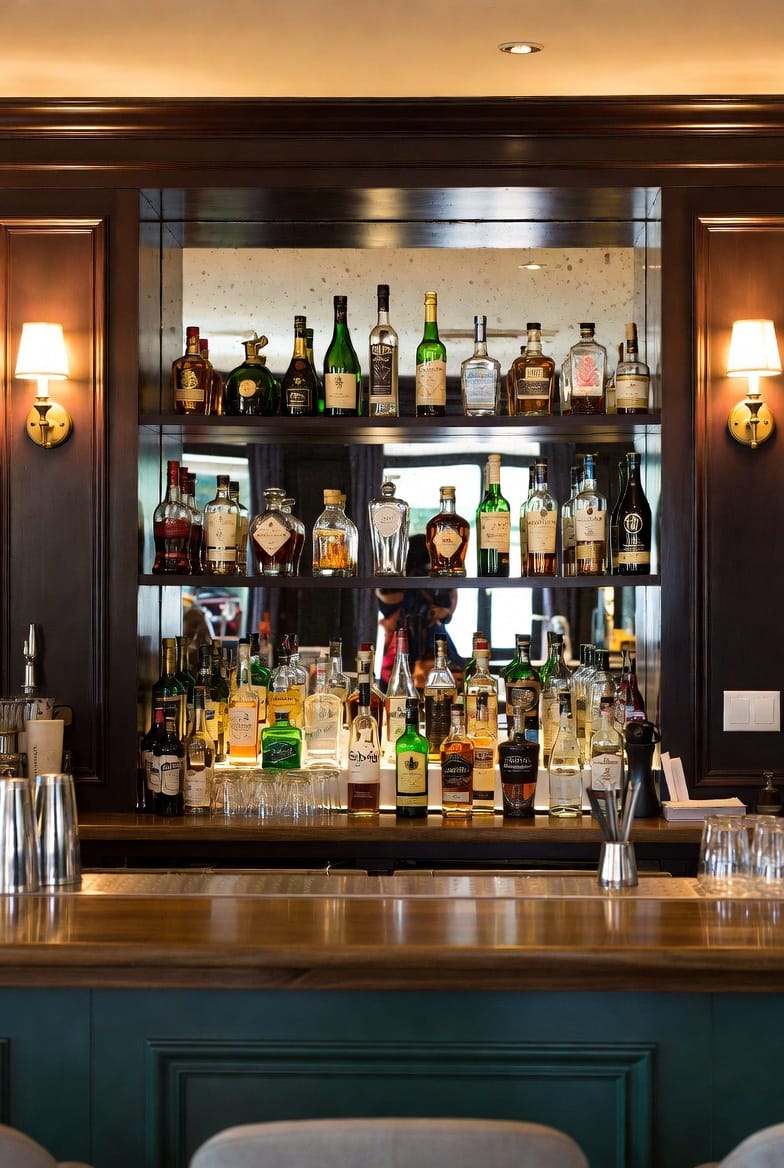
Design-forward homes increasingly treat the bar as a focal point, not a tucked-away cabinet. Open shelving invites curation: a balanced lineup of clear and amber liquids, a few statement decanters, and glassware that echoes the room’s geometry. The modern aesthetic leans clean and intentional—think negative space, warm woods, and metals that catch the glow of evening light. Even the tools—jiggers, shakers, and strainers—have become objects of quiet beauty, chosen as much for silhouette as for function.
But the artistry doesn’t stop at display. Distillation itself is a form of craftsmanship, blending chemistry with patience. Consider how terroir shapes character: the grapes of France give us elegant brandies and celebratory bubbles, while the agave fields of Mexico deliver tequilas with earthy sweetness and peppery snap. Across the Pacific, Japan has refined a minimalist, precision-driven approach to whisky that mirrors its broader design philosophy—clean lines, quiet complexity, and an emphasis on balance.
Brands, too, have become storytellers through design. The iconic square bottle of Jack Daniel’s communicates heritage at a glance, while the bat logo of Bacardi has turned a simple mark into a global symbol of celebration. Meanwhile, Patrón elevated tequila’s image with hand-numbered bottles and refined packaging that helped shift perceptions from party staple to sipping spirit. In each case, the vessel does more than hold liquid—it frames the experience before the cork is ever pulled.
At home, thoughtful pairing turns liquor into a design element for entertaining. Clear spirits like gin or vodka sparkle in cut crystal, amplifying reflections across a room. Darker whiskies and rums glow in low, wide tumblers that emphasize weight and warmth. Even ice has become a medium: oversized cubes, spheres, or hand-cut shards slow dilution and add sculptural drama. When guests gather, the bar becomes a social hearth—a place where conversation flows as easily as the drinks.
There’s also a sustainable turn in the world of spirits that resonates with contemporary home design. Refillable bottles, recycled glass, and labels printed with low-impact inks align with eco-conscious interiors. Many distilleries now highlight local sourcing and energy-efficient production, inviting homeowners to choose bottles that match their values as well as their taste. Displaying a few intentionally chosen spirits—rather than a crowded shelf—mirrors the broader shift toward mindful consumption.
Food pairing offers another layer of creativity. A peaty whisky can stand up to smoked meats; a bright tequila can cut through rich, citrus-forward dishes; a spiced rum can echo the warmth of baked desserts. Designing a menu around a signature cocktail or a focused tasting flight turns an evening into a curated experience, much like planning a small exhibition with a clear theme.
Ultimately, liquor in the home is about more than drinking. It’s about atmosphere, storytelling, and the pleasure of bringing craft into everyday life. Whether your style is modern and restrained or eclectic and layered, the right spirits—presented with care—can elevate a room, spark conversation, and remind us that good design is meant to be used, shared, and enjoyed. In that sense, the home bar isn’t just a feature; it’s a living installation where art, hospitality, and tradition meet.
The Top 8 Liqueurs You Need for Your Home Bar
