
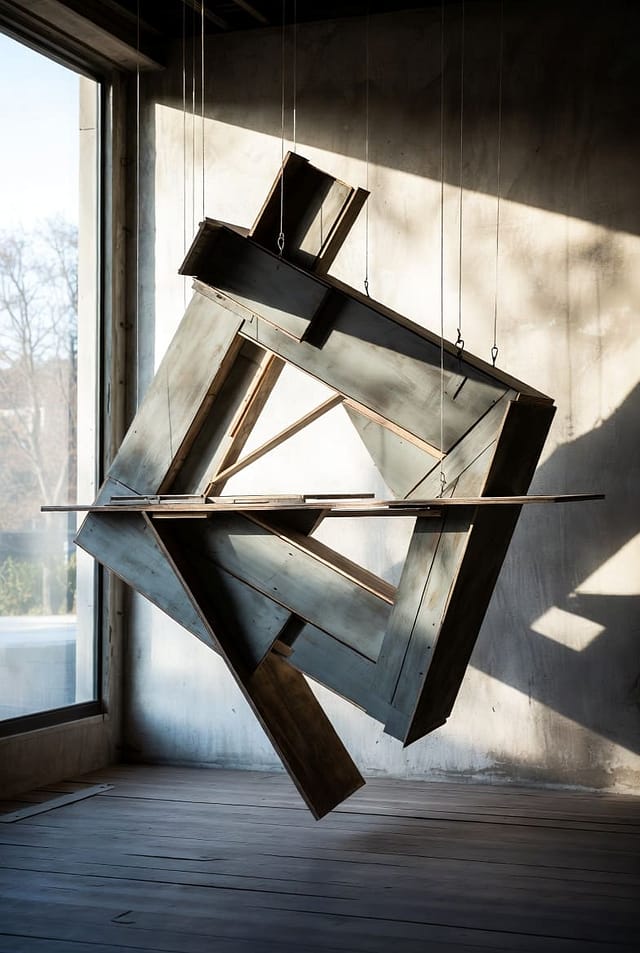
Installation Art: When Space Becomes the Canvas
Installation art is one of the most immersive and transformative forms of contemporary art, blurring the line between viewer and artwork. Unlike traditional paintings or sculptures that exist as standalone objects, installation art is designed to inhabit a space and reshape the way we experience it. The room, gallery, outdoor plaza, or even an abandoned building becomes part of the artwork itself, turning architecture, light, sound, and movement into essential creative elements.
At its core, installation art is about experience. Viewers don’t simply look at it—they walk through it, around it, sometimes even interact with it. This shift from passive observation to active participation is what makes installation art so powerful and memorable. Whether it’s a room filled with mirrors and light, a forest of suspended objects, or a space transformed by sound and projection, installation art invites people to step inside an artist’s idea and feel it from within.
Historically, installation art gained momentum in the late 20th century as artists began to challenge the limits of traditional media. Instead of asking, “What can I put on a wall?” artists started asking, “What can I do with the entire space?” This change opened the door to experimentation with unconventional materials—everything from fabric, wood, and metal to video screens, neon lights, and everyday household objects. In many cases, the materials themselves carry meaning, adding layers of social, political, or emotional commentary to the work.
One of the most compelling aspects of installation art is its ability to transform familiar environments. A plain white gallery can become a dreamlike landscape. A historic building can be reimagined through light and shadow. Even outdoor spaces can be turned into temporary worlds that invite reflection, curiosity, and conversation. Because many installations are temporary, they also carry a sense of urgency and uniqueness—once they’re gone, they exist only in memory and documentation.
Installation art also has a natural connection to interior design and architecture. Both disciplines care deeply about how people move through space and how environments influence mood and behavior. In homes, hotels, and public buildings, installation-style artworks are increasingly used to create focal points, define atmospheres, and tell stories about the space and the people who inhabit it. A large-scale wall installation, a sculptural light piece, or an immersive entryway design can completely change how a space feels without altering its structure.
Emotion plays a major role in successful installation art. Some works aim to inspire awe and wonder, while others provoke discomfort, introspection, or debate. Because viewers are physically surrounded by the work, the emotional impact can be stronger and more immediate than with traditional art forms. The body becomes part of the experience, not just the eyes.
In a world where digital images are endlessly scrollable and easily forgotten, installation art offers something rare: a moment that must be lived in person. It slows us down, asks us to pay attention, and reminds us that space itself can be a powerful medium for storytelling. Whether encountered in a museum, a city street, or a thoughtfully designed interior, installation art continues to redefine what art can be—and where it can exist.
