Art and real estate have a long history of coexisting. The real estate industry has often been a patron of the arts, commissioning artwork for buildings and investing in art collections to enhance the value of properties. Similarly, art has proven to be a valuable asset to the real estate industry, with artwork serving as a key factor in determining the value of a property. The world’s most luxurious properties are often adorned with priceless works of art, which add to their aesthetic appeal and exclusivity.
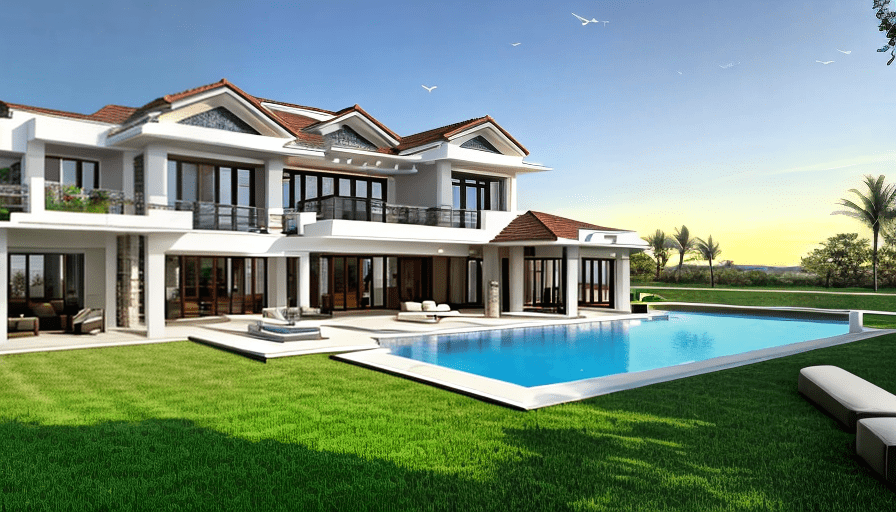
Art is also used as a marketing tool in the real estate industry. Developers and real estate agents often commission artists to create pieces that capture the essence of a property, which they use in their marketing campaigns. These artworks serve as a visual representation of the property and convey its unique selling points to potential buyers. For instance, an artwork that depicts the view from a property’s balcony can help a buyer visualize themselves living in the property, which can be a deciding factor in their purchase decision. Furthermore, the intersection between art and real estate extends beyond the physical space of a property. Real estate developers and investors also seek to create cultural districts and neighborhoods that attract artists and creative individuals. These areas often feature art galleries, museums, and artist studios, which not only add to the cultural vibrancy of a community but also increase the value of nearby real estate properties.
In recent years, the relationship between art and real estate has become even more pronounced with the rise of art-based investment funds. These funds allow investors to invest in art collections, which are then loaned to museums, galleries, and other exhibition spaces. These funds are attractive to real estate investors as they offer diversification of their portfolio beyond traditional assets such as stocks and bonds. Additionally, they provide an opportunity to invest in unique and valuable pieces of art, which can appreciate in value over time.

Furthermore, art plays a critical role in defining the character of a neighborhood or community. The presence of galleries, museums, and artist studios can attract creative individuals and contribute to the cultural vibrancy of the area. This, in turn, can lead to an increase in property values. Real estate investors and developers recognize the value of art and are actively seeking ways to incorporate it into their projects. As a result, we can expect to see even more innovative and collaborative projects in the future that showcase the interplay between art and real estate. The integration of art and real estate is not a new concept. However, it has gained significant momentum in recent years. The value of art in the real estate industry extends far beyond mere decoration. It is a crucial tool that developers and investors use to enhance the appeal of their properties. By incorporating art into the design, developers can create unique properties that stand out in a crowded market.
Furthermore, art plays a critical role in defining the character of a neighborhood or community. The presence of galleries, museums, and artist studios can attract creative individuals and contribute to the cultural vibrancy of the area. This, in turn, can lead to an increase in property values. Real estate investors and developers recognize the value of art and are actively seeking ways to incorporate it into their projects. As a result, we can expect to see even more innovative and collaborative projects in the future that showcase the interplay between art and real estate. In addition to enhancing the aesthetic appeal of a property, the inclusion of art can also have practical benefits. For instance, art can be used to cover up unsightly or functional elements of a building, such as electrical boxes or HVAC units. Sculptures or murals can also be used to direct foot traffic or create visual interest in a space.
 The relationship between art and real estate is not one-sided, either. While developers and investors may use art to enhance their properties, the inclusion of art can also benefit artists. Public art installations can provide exposure and a source of income for artists, while artist studios and live/work spaces can provide affordable housing and studio space in expensive urban areas. By fostering a mutually beneficial relationship between the worlds of art and real estate, it is possible to create thriving communities that benefit both the local economy and the cultural landscape. The integration of art and real estate is a dynamic and evolving field that requires the expertise of professionals from both industries. Real estate developers and investors must work closely with artists, curators, and art consultants to ensure that the art they choose complements the property and contributes to the overall aesthetic. At the same time, artists must be aware of the practical considerations of real estate development, such as safety codes and building regulations.
One notable example of successful collaboration between art and real estate is the luxury condominium development in Miami called Muse Residences. Developed by Property Markets Group and designed by Carlos Ott, the building features an impressive array of contemporary art. The collection includes works by established artists such as Pablo Picasso, Joan Miró, and Fernando Botero, as well as emerging artists such as Nathan Sawaya and Daniel Arsham. The art is seamlessly integrated into the design of the building, creating a truly unique and immersive experience for residents and visitors alike.
 As the worlds of art and real estate continue to coexist and collaborate, it is important for professionals to stay abreast of emerging trends and best practices. This requires a deep knowledge of both industries, as well as a willingness to experiment and take risks. By working together, artists and real estate professionals can create truly innovative and inspiring spaces that benefit both the community and the bottom line. In addition to providing aesthetic benefits, the inclusion of art in real estate developments can also have a positive impact on property values. Research has shown that properties located near public art installations or cultural institutions tend to have higher values than similar properties without such amenities. This is because art and culture can attract businesses, residents, and tourists, all of whom contribute to the local economy.
The integration of art can also contribute to a sense of community and place-making. Public art installations can serve as landmarks and gathering places, while artist residencies and galleries can serve as cultural hubs and meeting places for residents and visitors alike. By incorporating art into real estate developments, developers can create spaces that are not only visually appealing but also socially and culturally vibrant.
The intersection of art and real estate is an exciting and growing field with many opportunities for collaboration and mutual benefit. By working together, professionals from both industries can create innovative and inspiring spaces that enhance the quality of life for residents and visitors, while contributing to the economic and cultural vitality of the surrounding community.
In conclusion, the worlds of art and real estate are intertwined and have a mutually beneficial relationship. The real estate industry benefits from the aesthetic appeal of art, while art adds value to properties. As the two industries continue to evolve and intersect, we can expect to see even more innovative and collaborative projects that showcase the importance of art and culture in our built environment.The integration of art and real estate is not a new concept. However, it has gained significant momentum in recent years. The value of art in the real estate industry extends far beyond mere decoration. It is a crucial tool that developers and investors use to enhance the appeal of their properties. By incorporating art into the design, developers can create unique properties that stand out in a crowded market.


