
Where Food Meets Responsibility — Ecology, Systems, and the Future of Stewardship
Sustainability is not a trend in food.
It is a reckoning.
For centuries, food systems expanded under the assumption of abundance—abundant soil, abundant water, abundant land. That illusion has thinned. Climate volatility, soil degradation, water scarcity, and supply chain fragility now shape the global conversation around agriculture and food production.
If land is origin, fire is transformation, table is gathering, memory is inheritance, and ritual is rhythm, then sustain is obligation.
Sustain asks: can we continue?
Modern agriculture achieved extraordinary efficiency in the twentieth century. Mechanization, fertilizers, pesticides, irrigation systems, and global trade networks increased yield dramatically. Billions were fed. But the gains carried cost. Topsoil erosion accelerated. Monocultures reduced biodiversity. Fossil fuel dependency deepened. Water tables declined.
The system worked—until it strained.
Today, sustainability in food means redesigning systems rather than refining them. Regenerative agriculture offers one path forward. Instead of extracting from soil, regenerative practices rebuild it. Cover crops protect nutrients. Crop rotation restores balance. Managed grazing strengthens grasslands. Compost replaces synthetic inputs.
Soil becomes asset, not substrate.
Healthy soil stores carbon, improves water retention, and supports microbial diversity. It produces crops resilient to drought and disease. Sustainability begins below ground, long before produce reaches market.
Water management is equally urgent. Agriculture accounts for a significant portion of global freshwater use. In arid regions, inefficient irrigation depletes aquifers. Sustainable systems rely on precision irrigation, rainwater harvesting, and drought-resistant crop selection.
Food security is inseparable from water security.
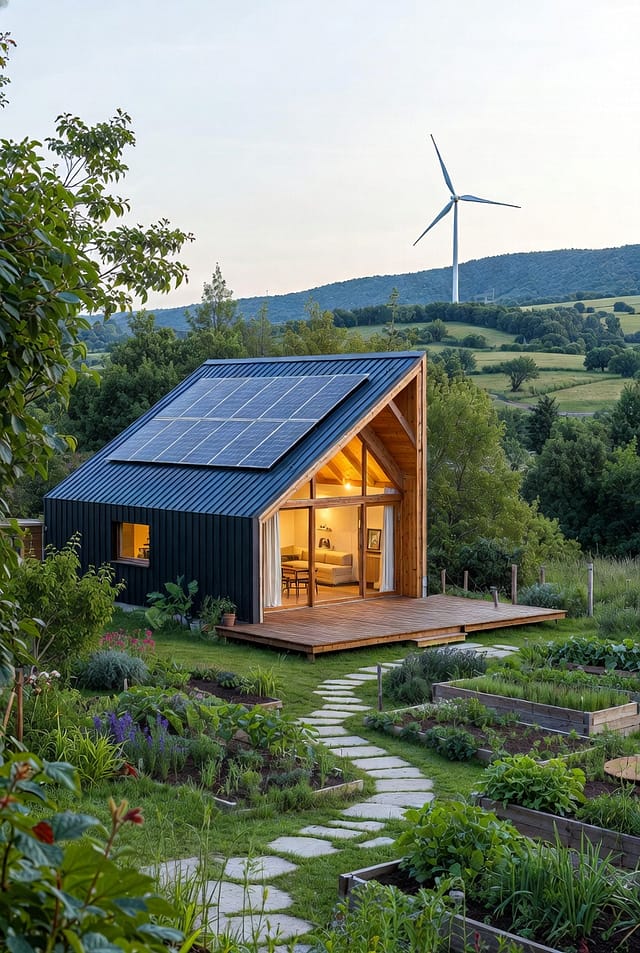
Energy use in food production also demands recalibration. Industrial farming, refrigeration, transportation fleets, and commercial kitchens all rely heavily on fossil fuels. Transitioning to renewable energy within food systems reduces environmental burden but requires capital investment and policy alignment.
Sustainability is financial as well as ecological.
Waste presents another frontier. Nearly one-third of food produced globally is wasted. Perfectly edible produce is discarded for cosmetic reasons. Restaurants overprepare. Consumers misjudge shelf life. Waste management is not glamorous, but it is transformative.
Circular systems—where scraps become compost, byproducts become feed, and excess is redistributed—shift food from linear consumption to regenerative cycle.
Composting, once rural practice, is now urban infrastructure. Cities implement organic waste collection. Restaurants partner with local farms. Households adopt countertop bins. Small acts, repeated widely, recalibrate impact.
But sustainability is not only about environment. It is about equity.
Access to nutritious food remains uneven. Food deserts persist in urban and rural regions alike. Fresh produce often costs more than processed alternatives. Sustainable food must be affordable to matter at scale.
Community-supported agriculture (CSA) programs, local cooperatives, and farm-to-school initiatives expand access while strengthening regional food networks. Farmers markets bring producers closer to consumers. Transparency builds trust.
Proximity supports sustainability.
Yet global trade cannot disappear. Coffee, cocoa, spices, and staple grains move across borders. Ethical sourcing, fair trade certification, and supply chain transparency become essential components of sustainable systems.
Consumers increasingly demand to know where food originates, how it was grown, and under what labor conditions. Labels now carry environmental claims, carbon footprints, regenerative certifications. Transparency becomes competitive advantage.
Technology supports these efforts. Satellite monitoring tracks crop health. AI models predict yield. Blockchain systems trace products from farm to shelf. Data-driven agriculture reduces guesswork, improving resource efficiency.
But technology cannot replace stewardship.
Farmers remain central. Their knowledge of soil, climate, and seasonal nuance cannot be fully automated. Sustainable agriculture depends on incentivizing and protecting those who cultivate land responsibly.
Policy shapes possibility.
Zoning laws determine farmland preservation. Subsidies influence crop selection. Insurance models affect risk tolerance. Investment capital directs innovation. Sustainability requires alignment across sectors—agriculture, real estate, finance, governance.
Development decisions impact food systems profoundly. When farmland becomes subdivision, food production contracts. When urban planning integrates green space and community gardens, resilience expands. Mixed-use developments that incorporate markets and shared agricultural space strengthen local networks.
Food and housing share geography.
Restaurants also evolve under sustainability pressure. Farm-to-table dining reduces transportation emissions. Zero-waste kitchens design menus around whole-ingredient use. Seasonal menus replace static offerings. Compostable packaging replaces plastic.
These shifts reshape consumer expectation.
Sustainability, once niche, now informs brand identity. Yet true sustainability resists marketing simplification. It is slow, layered, and complex. It requires long-term thinking over quarterly profit.
Regenerative farming may reduce short-term yield but increase long-term viability. Local sourcing may increase cost but reduce externalized environmental damage. Composting demands habit change.
Sustainability rewards patience.
Culturally, sustain reconnects people to land. When individuals understand how food is grown, they consume more consciously. School gardens teach children that carrots emerge from soil, not packaging. Urban agriculture initiatives remind cities of their dependence on rural systems.
The table becomes site of accountability.
Choosing seasonal produce. Reducing waste. Supporting local farmers. These daily decisions accumulate. No single meal transforms the planet, but repeated patterns shift demand.
Land provides. Fire transforms. Table gathers. Memory preserves. Ritual repeats.
Sustain ensures continuity.
The future of food will depend not solely on innovation, but on restraint—on recognizing ecological limits and designing systems within them. Sustainability is not sacrifice. It is recalibration.
It asks us to consume without exhausting. To grow without depleting. To build without erasing.
Because food is not infinite.
It is seasonal. It is fragile. It is shaped by climate and capital alike.
To sustain food systems is to sustain civilization itself.
And sustainability, like nourishment, must be practiced daily.
