Welcome to the Joy of Food! We know that food is not just sustenance, but an art form in and of itself. Whether you are a master chef or a novice home cook, we believe that anyone can enjoy creating something beautiful with food.
Top Restaurants In The World CT Restaurant Guide Thomaston Dining Guide
Beer Wine Liquor Gourmet Comfort Food
Appetizers Main Dish Dessert Breakfast Lunch Dinner
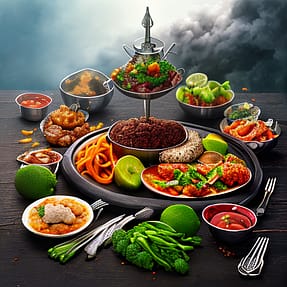
We at Home & Art Magazine understand how important it is to appreciate the process of cooking as much as enjoying its end product. That is why we have dedicated ourselves to exploring the nuances of cuisine arts and how they can be incorporated into our daily lives.
Our goal is to bring all aspects of food creation together: from sourcing ingredients and understanding flavors, to mastering techniques and experimenting with recipes. From traditional dishes to modern flavors, we provide the tools necessary for making magic in the kitchen.
Why didn’t I have this recipe before? healthy and cheap food in 10 minutes
Cooking is a creative art form that never ceases to amaze us with its dynamic potential. We are passionate about allowing people to express themselves through food, and strive to offer recipes and ideas that will inspire their culinary adventures. Food can be more than just sustenance; it can be nourishment for the soul. That’s why we believe that everyone should have access to the joy of food, no matter their skill level or experience. That is our mission here at Home & Art Magazine: to share the love of food and make every meal a masterpiece!
With us, you will learn how to turn any ordinary recipe into something extraordinary – all while having fun along the way. Our recipes are simple, easy to follow, and made with fresh ingredients that you can find in your local grocery store or farmer’s market. And best of all, they will provide nourishment for both the body and the soul.
These 15 Minute Dinners Will Change Your Life
Incredible Chicken and Potato Recipe!
Food is an art that has been around for centuries, and it continues to be a source of nourishment and comfort for all. Food art gives us the opportunity to transform ordinary ingredients into something extraordinary, whether that’s through taste, presentation, or both. From plating techniques to creative garnishes, food art can make any dish look like a work of art – something you’d find in an exclusive gallery.
Cheap And Healthy Meals For The Week, Done In 1 Hour
With just some basic tools and a few tips from professionals, anyone can explore the world of food as an art form. Whether you’re looking for simple recipes or masterpieces fit for a feast, food art is sure to take your culinary creations to the next level. So grab your utensils and let your inner artist shine! With a little creativity, you can create edible masterpieces that are sure to impress. From plating and presentation to flavor combinations, take your dishes from ordinary to extraordinary with the power of food art today!
No matter what type of cuisine you’re into, there’s no denying the beauty and nourishment of cooking. Food art is an excellent way to explore your culinary creativity while celebrating deliciousness at its finest. So get creative in the kitchen and turn every dish into a work of art – your taste buds will thank you! As they say, “the proof is in the pudding” – so let your imagination run wild and make every meal an exquisite experience. Bon appetite!
6 Pro Chefs Make Their Favorite 15-Minute Meal | Test Kitchen Talks | Bon Appétit
The Health Of Our Food Chain
The health of our food chain is an incredibly important topic, as it affects what we eat and the overall quality of our lives. Unfortunately, in recent years the state of our food chain has been severely impacted by various environmental changes and human activities. For example, pollutants from farming practices have contaminated groundwater and soil, leading to a decrease in the availability of safe and healthy food sources. Furthermore, overfishing has caused a decline in certain species’ populations which can lead to disruptions in entire ecosystems.
These issues are compounded by global warming which causes further environmental damage and poses an additional threat to food security for many people around the world. It’s clear that if these trends continue unchecked, then there will be serious consequences for both us and future generations.
Fortunately, there are many initiatives that can help us promote the health of our food chain. We need to invest in sustainable farming practices, support local farmers and fisheries, and reduce food waste. Additionally, we should also be advocating for policy change to ensure that our current laws around food safety and production remain up-to-date and effective against environmental damage.
The future of our food security is vitally important if we want to protect both ourselves as well as the environment. By taking small steps now, we can help ensure a healthy and safe future for everyone. It’s time for us all to come together and take action on this pressing issue! Let’s start today by making sure we’re doing what we can to support the health of our food chain. Let’s shop from local farmers, buy sustainable products, and reduce our food waste in order to create a safer future for us all. It’s time to take charge and make sure that our food system is secure for generations to come!
Together, we can strive towards a healthier and more sustainable food chain. Let’s start today with making small changes – like supporting local farmers and fisheries, reducing food waste, and advocating for policy change – that can lead to big differences. Together we can work towards building a better world! It starts with making sure that the health of our food chain is taken care of now so it can be protected in the future. Join us as we take steps towards a healthier and more sustainable food chain. Together, let’s create a better tomorrow for everyone!
A healthy food chain is essential to our collective well-being and the health of the planet. When we nourish our bodies with nutritious and unprocessed foods, our physical health will improve along with our mental and emotional well-being. Additionally, when we support local farmers and fisheries, we’re helping to reduce carbon emissions associated with the transport of foods from faraway places. It’s also important to reduce food waste in order to save resources as much as possible – making sure that every edible item gets used instead of thrown away.
By being conscious of how we can help contribute to the health of our food chain, we can collectively contribute to a healthier environment and lifestyle. Eating fresh produce from local farmers’ markets or joining a community-supported agriculture program is one way that we can help support sustainability in our food production system. Learning more about the origins of our food helps us understand how it’s grown and processed so that we can make decisions that are good for ourselves and our planet.
We all have the power to positively influence the health of our food chain – by educating ourselves on where our food comes from, supporting sustainable farming practices, reducing waste and eating fresh & unprocessed foods. When we do this, not only will it benefit our own health but also the health of the earth! So let’s take care of our planet while taking care of ourselves.
It’s important to remember that the food choices we make have a ripple effect on our environment and can be critical in determining how healthy our planet is. If you are looking for ways to get involved, there are many organizations that work on improving the health of our food chain – from local farmers’ markets that provide fresh produce grown without pesticides or chemicals, to environmental advocacy groups fighting for better regulation of food safety laws. No matter where you start, it all counts toward making a positive difference!
So let us all take an active role in preserving and protecting the health of our food chain – every choice we make matters. Let’s choose wisely!
How Home, Art, and Food Work Together to Bring Happiness
Home is where happiness becomes practical. Not the loud, flashy kind—but the steady kind you can actually live inside. It’s the comfort of familiar rooms, the smell of something warm in the oven, the small rituals that make ordinary days feel meaningful. And when you look closely, you’ll notice that two things quietly power many of those moments: art and food.
Art and food may seem like separate worlds—one lives on walls and shelves, the other lives on plates and in glasses—but in a home, they work together beautifully. They shape mood. They create memory. They invite connection. They help us slow down, celebrate, and feel held by our surroundings.
This is a deep dive into how home art and food combine to bring happiness—and how you can use both, intentionally, to make your home feel more alive. And yes, we’ll absolutely mention wine, because wine (like art) is often about more than taste. It’s about presence.
The Home as a Happiness Engine
A home doesn’t just store furniture. It stores emotion.
The happiest homes aren’t always the most expensive or the most “perfect.” They are the homes that feel lived in with purpose. They feel welcoming, expressive, and warm. They invite people to sit, stay, snack, talk, laugh, and linger.
Happiness at home often comes from three things:
-
Sensory comfort (light, texture, scent, taste)
-
Personal meaning (memory, identity, story)
-
Human connection (shared experiences, routines, togetherness)
Art and food touch all three.
Why Art Makes Food Feel Better (Yes, Really)
Food is sensory. Art is sensory. When they exist in the same space, they amplify each other.
A thoughtfully chosen piece of art can make a simple meal feel elevated. Not because it’s fancy—but because it changes the atmosphere. It tells your brain: this moment matters.
Art affects how we experience food at home by:
-
Setting the mood of a room (calm, playful, romantic, energized)
-
Creating a sense of ritual (dinner becomes “an occasion”)
-
Making the dining area feel curated, not random
-
Encouraging presence and attention (you notice what’s around you)
Even a small kitchen print, a framed photo near the table, or a bold painting in the dining room can shift the emotional tone of eating at home. It’s not just decoration—it’s context.
Why Food Makes Art Feel More Alive
Food brings motion. It brings scent. It brings conversation. It turns a space into an event.
Art can be admired in silence—but when there’s food in the mix, the room becomes animated. People gather. They point things out. They talk. They linger. The home feels fuller, even when the meal is simple.
Food gives art a social life.
Think about it: a living room with art is beautiful. A living room with art, snacks, music, and friends laughing is unforgettable.
The Happiness Loop: Senses + Meaning + Connection
Here’s the simple secret: happiness at home often comes from the combination of senses and meaning.
-
Food stimulates the senses (taste, smell, warmth)
-
Art stimulates meaning (identity, emotion, memory)
-
Together, they spark connection (conversation, togetherness)
That’s why a casual meal can feel deeply joyful in the right home environment. It’s not the menu—it’s the feeling.
The Dining Space as a Gallery (Without Feeling Formal)
You don’t need a formal dining room to make eating at home feel special. Any dining space—kitchen table, breakfast nook, bar seating—can become a “gallery” of your taste and personality.
Ways to make a dining area feel happier with art
-
Hang one medium-to-large piece on the wall nearest the table
-
Choose art that feels warm (colors, subject matter, texture)
-
Mix frames and styles for a collected look, but keep it balanced
-
Add a mirror to bounce light and make meals feel brighter
-
Use a small shelf or ledge for rotating art prints
A dining area with art feels intentional. It tells everyone: this is a place where we gather.
The Kitchen Is the Most Emotional Room in the Home
The kitchen is rarely just about cooking. It’s where life happens.
It’s where:
-
People talk while the kettle boils
-
Kids do homework at the counter
-
Friends pour a glass and lean in
-
Families return to after long days
Kitchen art matters because the kitchen is a mood center.
Kitchen-friendly art ideas that make people smile
-
Food illustrations (fruits, herbs, coffee, bread)
-
Vintage-style prints (wine labels, markets, recipes)
-
Photography of places you love (Paris café, coastal seafood shacks)
-
Typography art with a meaningful line or family saying
-
Small original works from local artists
Art in the kitchen doesn’t need to be precious. It needs to feel alive.
Color Psychology: How Art and Food Shape Mood Together
Color is one of the biggest happiness tools in a home. It influences appetite, energy, calm, and comfort.
Colors that often pair well with food spaces
-
Warm neutrals (cream, beige, soft clay): cozy and inviting
-
Greens (sage, olive): fresh, grounded, natural
-
Deep blues (navy): rich and dramatic, great with brass + wood
-
Terracotta + rust: warm, earthy, appetite-friendly
-
Soft yellows: cheerful and sunny without being loud
Art can introduce these colors without repainting the whole room. A single piece can bring warmth or joy into the space where you eat.
Texture: The “Secret Ingredient” in Both Art and Food
Texture matters on a plate and in a room.
Food texture—crispy, creamy, chewy, bubbly—is part of what makes eating pleasurable. The same is true at home. A textured environment makes a space feel richer and more comforting.
Use texture to build a happier home experience
-
Ceramics (handmade bowls, mugs, plates)
-
Linen or cotton napkins instead of paper
-
Wood serving boards or trays
-
Woven baskets, natural fibers
-
Art with visible brushstrokes, collage, fabric, or raised mediums
A textured table and textured wall art work together to create a cozy, sensory “yes.”
The Ritual of Setting the Table (Even Casually)
A table set with intention changes your brain. It tells you the meal is worth your attention.
This doesn’t mean fancy. It means thoughtful.
Small table rituals that elevate happiness
-
Use cloth napkins (even simple ones)
-
Light a candle (yes, even on a Tuesday)
-
Serve in real bowls and plates you enjoy
-
Put something beautiful in the center: flowers, a branch, fruit, a small sculpture
-
Play soft music
The table becomes an experience. Art nearby helps anchor that experience visually.
Wine as “Edible Art”
Wine fits perfectly into the art-and-food happiness story because wine is not just a drink. Like art, it’s layered and interpreted differently by each person.
Wine invites:
-
Slowness
-
Conversation
-
Scent and sensory attention
-
Memory and association
-
Pairing and play
A glass of wine at home often marks a transition: from work mode to rest mode, from busy to present.
Easy wine moments that feel happy (not pretentious)
-
One bottle you truly enjoy, not what you think you “should” like
-
A simple cheese board with fruit and nuts
-
Two glasses and a playlist
-
Art on the wall that makes you feel calm or inspired
-
Warm, soft lighting instead of overhead glare
Wine and art naturally belong together because both are about mood.
Food as a Memory Machine
Smell is tied strongly to memory. A single scent can bring back a whole moment.
Home cooking creates emotional anchors:
-
Sunday pasta
-
Birthday cake
-
Spices from family recipes
-
Coffee in the morning
-
Soup on a rainy day
Art does something similar—especially personal art, photographs, or pieces collected over time.
When art and food overlap in the same home, happiness becomes layered: you’re not just eating dinner, you’re building a memory.
Hosting at Home: Where Art and Food Shine the Most
Even if you don’t host often, the happiest gatherings usually have one thing in common: people feel comfortable.
You don’t need perfect furniture or a spotless house. You need warmth.
Hosting happiness tips that blend art + food
-
Serve simple food you can enjoy making
-
Use a large platter or board for easy sharing
-
Create one “moment” in the space: candles, music, a centerpiece
-
Let art do some of the talking (people naturally comment on it)
-
Offer one signature drink (wine works beautifully here)
Art gives guests something to connect with immediately. Food gives them something to enjoy. Together, they create easy conversation and comfort.
The “Everyday Luxury” Approach
The best kind of happiness is repeatable. That’s what a home can provide.
Art and food are everyday luxuries because they are not just for special occasions. They are tools for daily joy.
Everyday luxury doesn’t mean expensive
It means:
-
Drinking from a mug you love
-
Eating on plates that feel good in your hands
-
Looking at art that makes you feel something
-
Cooking a simple meal and enjoying it without rushing
-
Creating small beauty on purpose
A home filled with intentional objects—art, ceramics, textiles—supports happiness in quiet ways.
The Home Gallery Wall Meets the Snack Table
One of the most joyful home setups is the simplest:
-
A wall that tells your story (art, photos, prints)
-
A table that invites people to eat and stay
You don’t need a perfect dining room. You need a space that says, “Come here. Sit. Enjoy.”
A simple formula for a happy eating corner
-
One strong piece of art or a small gallery wall
-
Warm lighting (lamp, pendant, candle)
-
A comfortable seat and a soft cushion
-
A small tray for snacks, tea, or wine
-
One personal detail: a book, a plant, a family photo
It becomes a ritual spot. A happiness spot.
Art You Can Eat: The Role of Presentation
Food presentation is a form of art. It doesn’t have to be complicated.
Even simple meals look better (and feel better) when you:
-
Use a plate with a calm, neutral tone
-
Add one color pop (herbs, lemon, berries, spice)
-
Arrange food intentionally instead of piling it randomly
-
Serve family-style in a beautiful dish
The goal is not perfection. The goal is joy.
When your home already supports beauty through art, it’s easier to carry that same intention into the kitchen.
Seasonal Joy: Rotating Art and Food Together
One underrated happiness strategy is syncing your home’s visuals with seasonal living.
Seasonal pairing ideas
-
Spring: fresh greens, floral art, light fabrics, citrus
-
Summer: bright fruit, coastal art, cold drinks, outdoor dining
-
Fall: warm tones, textured art, soups, bread, spices
-
Winter: candlelight, deep colors, stews, wine, cozy desserts
Rotating art prints or table linens with the seasons makes home feel new without major changes. Seasonal food completes the feeling.
The Personal Touch: Your Taste Is the Point
The biggest mistake people make with home design is designing for approval instead of designing for happiness.
Art doesn’t have to match the couch. Food doesn’t have to impress guests. What matters is that both reflect you.
Your home should taste like you.
And it should look like you.
That’s where happiness becomes real.
Final Thought: Happiness Lives in the Overlap
Home, art, and food work together because they share the same purpose: they make life feel meaningful.
-
Food nourishes the body.
-
Art nourishes the mind.
-
Home holds both—so you can experience them with comfort.
And when you add wine to the mix—when it’s chosen for pleasure, not performance—it becomes part of the same story: a slow moment, a shared laugh, a warm evening, a beautiful wall, a good bite, a sense of being exactly where you belong.
That is happiness.
At Home & Art Magazine, we believe you don’t have to wait for a special occasion to live beautifully. Set the table. Hang the art. Cook the meal. Pour the glass if you want. Light the candle. Put on music.
And enjoy the simple, powerful truth:
The happiest homes are the ones that invite you to stay.
