
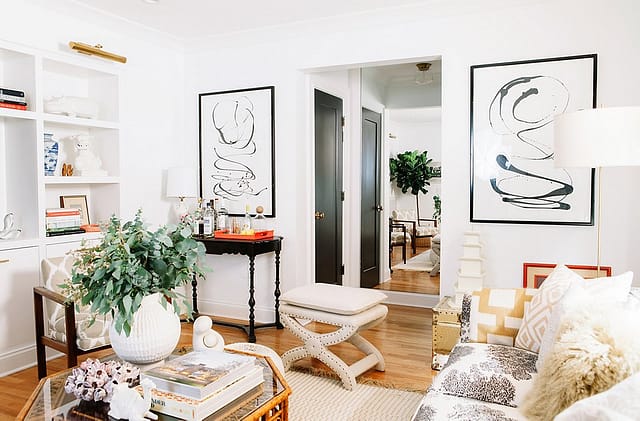
Home and Art Magazine: Entertainment
Entertainment is more than just a pastime; it’s an essential element that shapes the way we experience our homes and connect with the world around us. From immersive art installations to home theaters, curated spaces, and digital experiences, entertainment today merges creativity, design, and technology in ways that enrich our daily lives. At its core, it’s about crafting moments that inspire, delight, and bring people together.
In the realm of interior design, entertainment has evolved far beyond the traditional living room television setup. Modern homes now feature multifunctional spaces that accommodate movies, music, games, and interactive art. Designers are embracing open layouts that blend relaxation and engagement, creating areas where families and guests can gather for shared experiences. Home theaters, once a luxury reserved for the wealthy, are now accessible to a wider audience, incorporating advanced audio systems, ambient lighting, and ergonomic seating that turn movie nights into cinematic events.
Art and entertainment intersect in fascinating ways, too. Interactive installations, projection mapping, and augmented reality experiences are becoming more common in private homes and public spaces alike. These innovations invite residents to engage with their surroundings, transforming walls, floors, and even ceilings into canvases for storytelling. For instance, a dining area can be temporarily transformed into an immersive underwater scene, or a hallway can become a gallery for digital art, turning everyday moments into sensory experiences.
Music remains a timeless pillar of entertainment, influencing mood, productivity, and social connection. From vinyl record collections displayed as decor to integrated sound systems that harmonize with a room’s aesthetics, the design of musical spaces is increasingly intentional. Even small apartments can feature adaptable listening areas, acoustic enhancements, and curated lighting to amplify the emotional impact of sound. Music, like visual art, becomes a way to personalize a home and reflect the tastes and identity of its inhabitants.
Gaming and digital media are another facet of entertainment that shapes modern living. High-performance gaming setups, virtual reality zones, and interactive media walls are no longer niche—they’re part of lifestyle design. These spaces are thoughtfully integrated into interiors, balancing technology with style, so that equipment doesn’t disrupt the visual flow of a room. Designers focus on ergonomics, lighting, and aesthetic cohesion to ensure that digital entertainment enhances rather than dominates a home’s character.
Finally, entertainment in the home is about fostering human connection. Whether hosting friends for a movie marathon, enjoying a live-streamed concert, or engaging in interactive art experiences with family, these moments create memories that extend beyond the physical space. It’s about combining comfort, beauty, and functionality so that a home becomes a stage for joyful experiences.
At Home and Art Magazine, we explore these intersections of entertainment, design, and innovation, celebrating how creativity shapes the spaces where we live, play, and connect. Entertainment is no longer passive—it’s an active, integral part of modern life, transforming homes into hubs of imagination and shared experience.
Home and Art Magazine: Entertainment
Entertainment is an essential part of human life. It brings joy, relief from stress, and helps us unwind after a long day. People seek entertainment in various forms, such as music, games, comedy, theater, cinema, literature, and sports. In this article, we will explore some of the most popular forms of entertainment and their significance in our lives.
Music
Music is a universal language that transcends boundaries. It is an art form that has the power to communicate emotions and connect people from different cultures and backgrounds. Whether we are listening to our favorite tunes on our mobile phones or attending a live concert, music has the ability to uplift our mood, bring back memories, and provide a sense of comfort.
Music has been an integral part of human culture for centuries, and it continues to evolve with time. From classical to jazz, rock to pop, and hip-hop to EDM, there is a genre of music for every taste. The music industry has also opened up opportunities for aspiring artists to showcase their talent and reach out to a global audience through various platforms such as YouTube, Spotify, and Soundcloud.
Games
Games are not just a form of entertainment but also a way to exercise our cognitive skills and improve our problem-solving abilities. From board games to video games, they offer a wide range of choices for players of all ages. Whether we are playing solo or with friends, games provide a sense of competition, fun, and excitement.
Video games have become a multi-billion dollar industry, with millions of players worldwide. They offer immersive experiences, realistic graphics, and engaging storylines that keep players hooked for hours. With the rise of e-sports, competitive gaming has become a legitimate career option for many young people, with tournaments offering lucrative prize pools and sponsorships.
Comedy
Laughter is the best medicine, and comedy is the perfect source for it. Comedy provides a break from the stresses of everyday life and helps us see the lighter side of things. From stand-up comedy to sitcoms, comedy shows offer a variety of options for people to enjoy.
Stand-up comedy has gained immense popularity in recent years, with comedians such as Kevin Hart, Dave Chappelle, and Amy Schumer becoming household names. Comedy clubs and festivals offer a platform for aspiring comedians to showcase their talent and gain exposure. Comedy shows, both online and offline, provide a platform for audiences to relax, unwind, and have a good laugh.
Theater/Cinema/Performance
Theater, cinema, and live performances offer a unique form of entertainment that allows us to experience stories in a more immersive way. From plays to musicals, movies to operas, and dance performances to acrobatics, these forms of entertainment provide a visual and emotional experience that is hard to replicate in any other medium.
Theater has been a popular form of entertainment for centuries, with plays such as Shakespeare’s Romeo and Juliet and Arthur Miller’s Death of a Salesman becoming classics. Movie theaters offer a way to watch the latest blockbusters and indie films on the big screen, while streaming platforms such as Netflix and Amazon Prime provide access to a wide range of movies and TV shows. Live performances, such as musicals and dance shows, provide a way to experience the magic of live art and appreciate the hard work and creativity of performers.
Literature
Reading is a form of entertainment that has stood the test of time. From classic novels to modern bestsellers, literature provides a way to escape reality and enter a world of imagination. Reading has also been shown to improve cognitive abilities, increase empathy, and reduce stress.
Books offer a way to explore different genres and perspectives, from fantasy to romance, crime to biography. E-books and audiobooks offer the convenience of reading on the go and access to a wider range of titles. Book clubs and online forums provide a way to discuss and share our thoughts on our favorite books and authors.
Sport
Sport is not just a form of entertainment but also a way to stay fit, healthy, and competitive. From individual sports such as running and swimming to team sports such as soccer and basketball, sports offer a way to push our limits and challenge ourselves.
Sports events such as the Olympics, FIFA World Cup, and Super Bowl are watched by millions of people worldwide, bringing together fans and athletes from different countries and cultures. Sports also offer a way to support our favorite teams and players, providing a sense of belonging and community.
In conclusion, entertainment is an important part of our lives that provides a way to relax, have fun, and escape reality for a while. Whether we are listening to music, playing games, watching a movie, reading a book, or playing a sport, there is something for everyone. With the rise of technology and globalization, entertainment has become more accessible and diverse than ever. So let’s sit back, relax, and enjoy the show!
The Future of Home Entertainment
The Future of Home Entertainment
Where Technology, Design, and Art Converge in the Modern Home
Home entertainment is undergoing a quiet but profound transformation. What was once defined by a television in the corner of a living room is evolving into something far more immersive, intentional, and aesthetically driven. In the future home, entertainment is no longer a standalone activity—it is an integrated experience shaped by architecture, interior design, digital art, sound, light, and human emotion.
As technology becomes more seamless and less visible, home entertainment is shifting from hardware-focused setups to spatial experiences. Screens dissolve into walls, sound becomes architectural, and art takes on new digital dimensions. The home itself becomes a stage, gallery, and cinema—blurring the boundaries between entertainment, art, and daily living.
This article explores the future of home entertainment through the lens of home and art, examining how emerging technologies, design philosophies, and creative practices are reshaping how we experience culture, storytelling, and leisure inside our homes.
From Screens to Spaces: A New Definition of Entertainment
The future of home entertainment is not about bigger screens alone—it is about deeper engagement. Instead of centering a room around a device, designers are rethinking entertainment as an atmospheric layer within the home.
Entertainment spaces are becoming:
-
Immersive rather than equipment-driven
-
Flexible rather than fixed
-
Visually integrated rather than dominant
-
Emotional rather than purely functional
In this shift, art and design play a central role. Technology recedes into the background, allowing experience to take priority over hardware.
Architecture Designed for Experience
As entertainment becomes spatial, architecture is adapting. New homes and renovations increasingly include spaces designed specifically for sound, projection, and visual immersion—without sacrificing aesthetics.
Media Rooms as Living Art
Future media rooms are no longer dark, isolated boxes. They are carefully designed environments that balance comfort, acoustics, and visual harmony.
Key architectural features include:
-
Acoustic walls treated as sculptural surfaces
-
Hidden projection systems and retractable screens
-
Layered lighting that shifts with content
-
Materials chosen for sound absorption and warmth
These spaces often resemble art installations as much as entertainment rooms, reflecting a broader trend toward experiential design.
Sound as an Architectural Element
One of the most significant changes in home entertainment is the treatment of sound. Rather than visible speakers and cables, audio is increasingly integrated into the structure of the home.
Invisible sound systems allow:
-
Walls, ceilings, and furniture to act as speakers
-
Even sound distribution without visual clutter
-
A more natural, immersive listening experience
This shift aligns closely with art-focused interiors, where visual calm and material integrity are essential. Sound becomes felt rather than seen—an emotional layer within the space.
Screens That Disappear—and Transform
The future of screens is paradoxical: they are becoming more advanced while also becoming less visible.
Emerging trends include:
-
Ultra-thin displays that blend into walls
-
Screens that double as digital art when not in use
-
Projection systems integrated into ceilings or furniture
When entertainment is idle, these surfaces transform into curated artworks, photography, or generative visuals. The home no longer feels dominated by technology—it feels like a gallery that happens to come alive when needed.
Digital Art and the Home as a Living Gallery
One of the most exciting intersections of home entertainment and art is the rise of digital and time-based art in domestic spaces.
Art That Moves, Responds, and Evolves
Unlike static artworks, digital art can shift throughout the day, respond to sound or movement, or change with mood and light. In the future home, walls may display:
-
Animated artworks
-
Algorithmic or generative art
-
Film-based or immersive installations
-
Interactive visual experiences
This transforms home entertainment into a cultural experience rather than passive consumption. Watching, listening, and viewing become forms of engagement rather than distraction.
The Rise of Immersive Storytelling at Home
Entertainment is becoming more immersive, not just visually but emotionally. Advances in sound design, spatial audio, and projection are allowing storytelling to unfold around the viewer rather than in front of them.
In the future home, immersive entertainment may include:
-
Room-scale projection mapping
-
Spatial soundscapes that move through space
-
Mixed reality environments layered onto physical rooms
These experiences borrow heavily from contemporary art installations and experimental cinema, further blurring the line between entertainment and art.
Lighting as Narrative Tool
Lighting is becoming one of the most important components of future home entertainment. No longer limited to basic dimming, lighting systems are now capable of responding dynamically to content.
Lighting can:
-
Shift color temperature to match scenes or moods
-
Guide attention within a space
-
Enhance emotional impact without overwhelming the room
In art-focused homes, lighting design is already treated as a creative discipline. The future of entertainment simply extends this philosophy—using light as part of the story.
Furniture That Supports Experience
As entertainment spaces evolve, furniture design is also adapting. Seating is no longer just about comfort; it is about immersion, orientation, and flexibility.
Future-oriented furniture may include:
-
Modular seating that adapts to different experiences
-
Sculptural forms that enhance acoustics
-
Pieces designed to disappear visually while remaining functional
Furniture becomes part of the spatial choreography of entertainment—supporting art, sound, and movement rather than competing with them.
Gaming, Interaction, and Creative Play
Gaming is one of the strongest drivers of innovation in home entertainment, and its influence extends far beyond consoles.
Interactive entertainment is shaping homes through:
-
Motion-responsive environments
-
Augmented and mixed reality experiences
-
Creative platforms that allow users to build, design, and perform
These developments align closely with contemporary art practices that emphasize participation and interaction. The future home becomes a space not just for watching, but for creating.
Personalization and Curated Experience
The future of home entertainment is deeply personal. Rather than one-size-fits-all setups, systems are increasingly tailored to individual taste, mood, and lifestyle.
Homes may soon adapt entertainment experiences based on:
-
Time of day
-
Number of people present
-
Emotional or sensory preferences
This personalization mirrors how art collections are curated—reflecting identity rather than trend.
Sustainability and Responsible Technology
As entertainment technology advances, sustainability becomes a critical concern. The future home balances innovation with responsibility.
Design strategies include:
-
Energy-efficient displays and sound systems
-
Multi-purpose spaces rather than dedicated rooms
-
Long-lasting materials and adaptable infrastructure
Art plays a role here as well, encouraging slower consumption and deeper appreciation rather than constant upgrading.
The Emotional Shift: From Distraction to Meaning
Perhaps the most important change in home entertainment is emotional. Rather than serving as constant background noise, future entertainment is becoming more intentional.
Homes are being designed to support:
-
Focused experiences rather than endless scrolling
-
Shared moments rather than isolated consumption
-
Cultural engagement rather than passive distraction
This shift brings entertainment closer to art—something to be experienced with attention, not consumed mindlessly.
The Home as Cultural Space
In the future, the home will function as a private cultural venue. Film screenings, listening sessions, digital exhibitions, and interactive installations will all take place within domestic spaces.
This transforms the role of the home from a place of retreat to a place of cultural participation—where art, entertainment, and daily life coexist.
Designers and Artists Shaping the Future
The future of home entertainment is being shaped not only by engineers, but by artists, architects, and designers. Their influence ensures that technology enhances human experience rather than dominating it.
Collaborations between technologists and creatives are leading to:
-
More humane interfaces
-
More beautiful systems
-
More emotionally resonant environments
Entertainment becomes a design discipline, not just a technical one.
Looking Ahead: What the Future Home Feels Like
The future home entertainment space will not announce itself loudly. It will feel calm, adaptable, and intentional.
You may not see the speakers, screens, or systems at all—but you will feel them. Through sound that wraps gently around you, visuals that transform walls into art, and spaces that respond to how you live and feel.
Entertainment will no longer interrupt the home. It will belong to it.
Conclusion: Entertainment as Artful Living
The future of home entertainment is not about technology for its own sake. It is about experience, atmosphere, and meaning. As homes become more art-driven and thoughtfully designed, entertainment evolves into a form of cultural living.
In this future, watching a film feels like entering an installation. Listening to music becomes a spatial journey. Digital art lives alongside physical craft. And the home itself becomes the most intimate venue of all.
Where technology, art, and design converge, entertainment stops being noise—and becomes experience.
