
The Silent Revolution: Building Zero-Waste Communities for a Sustainable Tomorrow
In the lush mountains of Tokushima Prefecture, Japan, the village of Kamikatsu stands as a beacon of ingenuity. With a population of around 1,500, this remote community declared itself zero-waste in 2003, committing to eliminate landfill use entirely. Residents meticulously sort their discards into 45 categories at the Kamikatsu Zero Waste Center, a striking structure built from recycled materials like old windows and doors donated by locals.
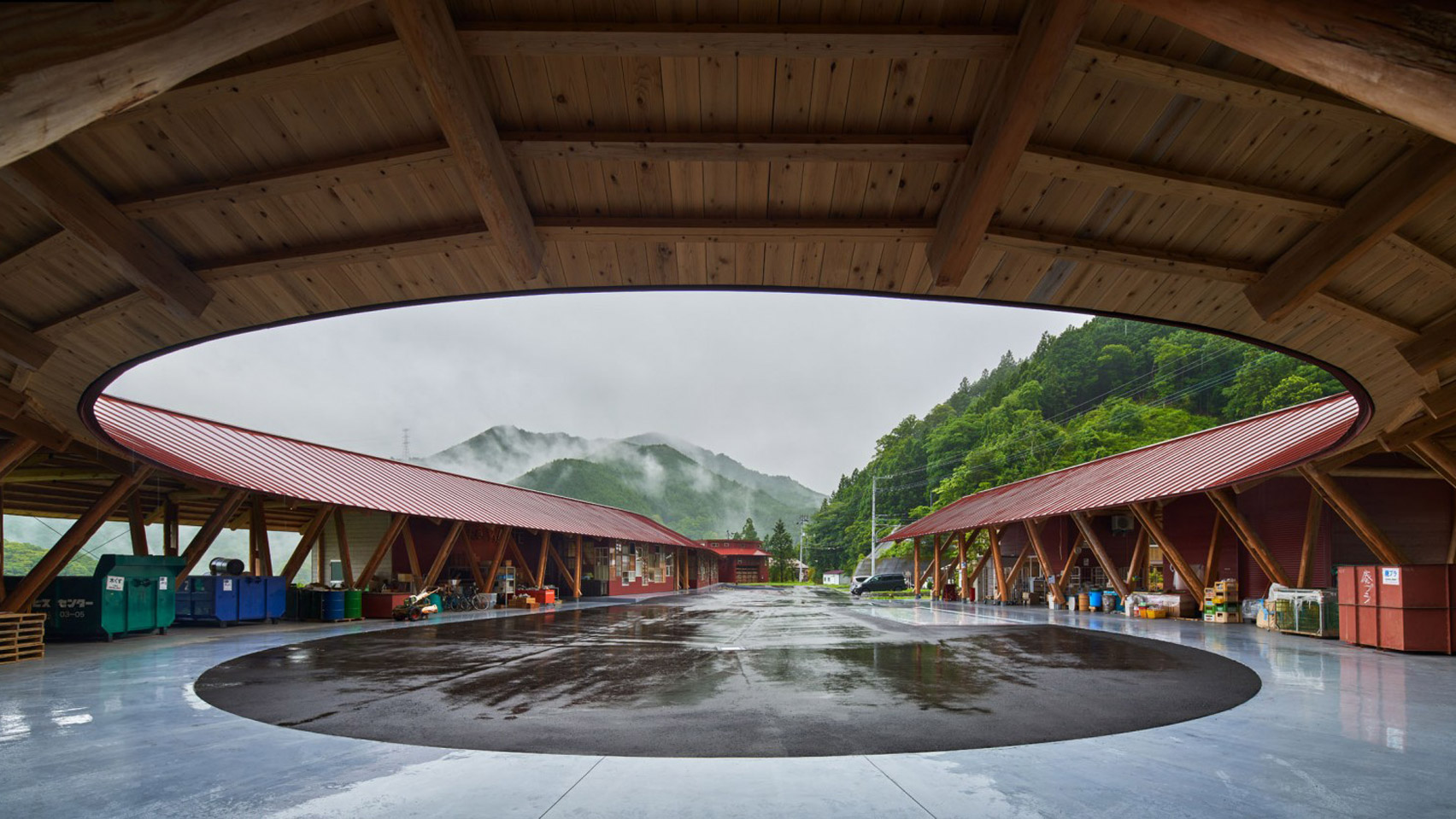
What was once a polluting incinerator site is now a hub for reuse, where nothing is truly thrown away. Hiroshi Nakamura, the architect behind the center, designed it to symbolize circularity, with its curved form echoing the flow of resources back into the community.
Kamikatsu’s journey mirrors a global shift. From rural hamlets to sprawling metropolises, zero-waste communities are reimagining waste not as an endpoint, but as a resource. In an era where global waste production is projected to rise by 70% by 2050 without intervention, these pioneers offer a blueprint for resilience. Closer to home, in Connecticut, towns like Middletown are adopting similar resolutions to cut pollution and foster sustainable habits. This movement isn’t just environmental—it’s a profound cultural transformation, proving that small actions can yield planetary impact.
What Does Zero-Waste Really Mean?
At its core, zero-waste is a philosophy that mimics nature’s closed loops, where every output becomes an input. The Zero Waste International Alliance defines it as “the conservation of all resources by means of responsible production, consumption, reuse, and recovery of products, packaging, and materials without burning and with no discharges to land, water, or air that threaten the environment or human health.” It’s not about perfection but progression, guided by the “5 Rs”: Refuse, Reduce, Reuse, Recycle, and Rot (compost).
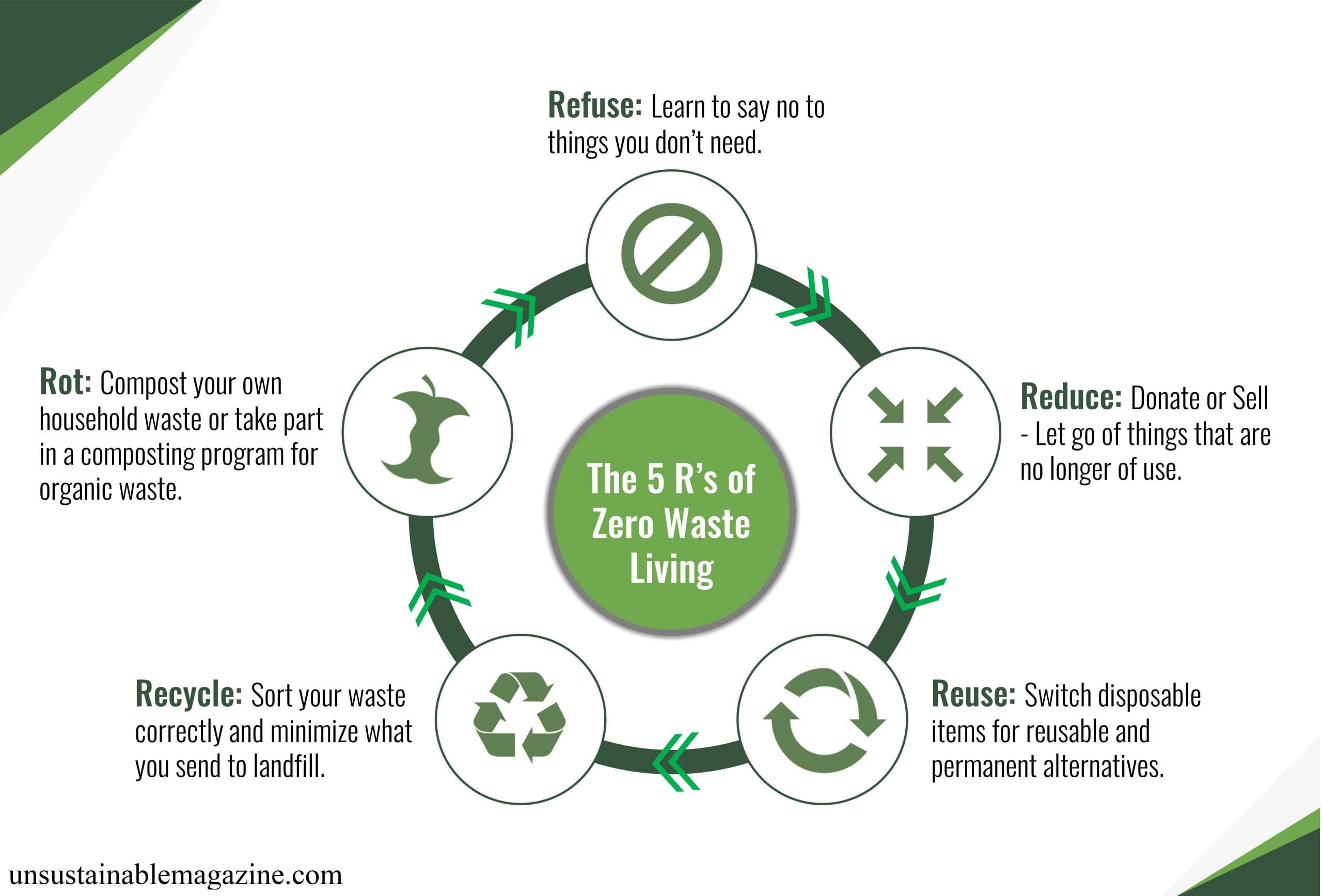
Communities aiming for zero-waste target at least 90% diversion from landfills, focusing on upstream prevention rather than downstream disposal. This holistic strategy addresses interconnected crises: climate change through methane reduction, resource scarcity by conserving materials, and pollution by minimizing toxins. As one expert puts it, zero-waste aligns with circular economies, turning linear “take-make-waste” models into regenerative cycles. For residents, it means rethinking daily choices—from shopping bulk to composting scraps—while governments redesign systems for equity and efficiency.
Trailblazers: Zero-Waste Communities Leading the Charge
Zero-waste isn’t confined to theory; it’s thriving in diverse locales. Here’s a look at some innovators.
Kamikatsu, Japan: Precision in the Mountains
Facing dioxin emissions from open burning, Kamikatsu banned incineration and embraced rigorous sorting. By 2020, they achieved over 80% recycling, with the Zero Waste Center serving as a community exchange for reusables. Residents like those in the “kurukuru” shop trade items for free, fostering a culture of sharing. This model has inspired global adaptations, showing rural areas can pioneer sustainability.

San Francisco, USA: Urban Composting Powerhouse
San Francisco set a zero-waste goal in 2002, reaching 80% diversion by mandating composting in 2009. Recology’s facilities process organics into soil for local farms, cutting methane emissions equivalent to 90,000 cars annually. Pay-as-you-throw incentives encourage smaller trash bins, saving millions in landfill costs. As a bustling city, it proves scale isn’t a barrier.

Capannori, Italy: Grassroots Triumph
In 2007, Capannori became Europe’s first zero-waste municipality after protesting an incinerator. Door-to-door collection and pay-as-you-throw achieved 82% recycling. Community involvement turned opposition into action, influencing other European towns.
Other Global Innovators
Bornholm Island, Denmark, targets zero-waste by 2032, eliminating landfills through advanced sorting and education. Taiwan boasts a national 99% diversion rate via policies like extended producer responsibility. In the Philippines, places like Candon City integrate community-based management. Flanders, Belgium, leverages reuse centers for economic boosts. These cases adapt zero-waste to local needs, from islands to nations.
The Multifaceted Rewards of Zero-Waste Communities
Adopting zero-waste yields environmental, economic, and social dividends.
Safeguarding the Planet
By diverting organics from landfills, communities slash methane—a gas 84 times more potent than CO2 over 20 years—potentially reducing waste sector emissions by 84%. Recycling conserves resources: One ton of paper saves 17 trees and 7,000 gallons of water. In Kamikatsu, cleaner waterways support biodiversity. Overall, it aligns with nature-based solutions, regenerating ecosystems.
Economic Boosts
Zero-waste creates 10 times more jobs than landfilling per ton processed. San Francisco saves millions by selling recyclables and cutting disposal fees. In Austin, Texas, incentives spur green businesses toward 2040 goals. Communities like Vancouver report stronger local economies through reuse.
Social and Health Gains
Shared gardens in Vancouver build bonds and equity. Reduced incineration lowers respiratory risks. Education empowers, as in Bornholm’s campaigns. In marginalized areas, zero-waste redistributes resources, enhancing well-being.

Navigating the Hurdles: Challenges in Zero-Waste Adoption
Progress isn’t linear; barriers abound.
Cultural Shifts
Single-use culture and behavioral inertia resist change. In Kamikatsu, early resistance faded with education. Convenience often trumps sustainability.
Infrastructure Gaps
Upfront costs for facilities deter small towns. Contamination hampers recycling; limited access in rural areas exacerbates issues.
Policy and Equity Issues
Inconsistent regulations and financial constraints slow momentum. Marginalized groups may lack resources; inclusive outreach is key. Yet, triumphs like Capannori show community action overcomes obstacles.
Inspiring Tales: Real Lives in Zero-Waste
Hannah and Liam from New Zealand’s Rubbish Trip live bin-free, touring workshops to spread minimalism. In California, businesses like Finelite cut waste by 84%, saving $27,000 yearly. Author Anita Vandyke turned crisis into a zero-waste life, emphasizing joy in simplicity. These stories scale personal change to communal impact.
Crafting Your Zero-Waste Community: A Practical Roadmap
Building zero-waste starts locally. Here’s a step-by-step guide drawn from successful models.
- Commit and Assess: Adopt a resolution like Middletown’s, then audit waste streams. Identify baselines for planning.
- Engage Stakeholders: Form multi-sector teams for input, as in the Philippines’ manual. Use Meetups and social media to build support.
- Educate and Train: Run campaigns on the 5 Rs; involve schools and businesses.
- Build Infrastructure: Set up composting, MRFs, and reuse centers. Implement pay-as-you-throw.
- Incentivize and Enforce: Offer rebates; phase in bans on disposables.
- Monitor and Adapt: Track progress, refine strategies. Tools like Eco-Cycle’s Roadmap aid phased implementation.
Envisioning Tomorrow: The Future of Zero-Waste Communities
By 2026, trends like AI-driven sorting and circular economies will accelerate progress. Austin aims for 90% diversion by 2040; national conferences foster collaboration. With UN initiatives like International Day of Zero Waste, global momentum builds. Innovations in biodegradable packaging and community gardens will redefine norms, ensuring a resilient, waste-free world.
Embracing the Change: Why Zero-Waste Matters Now
From Kamikatsu’s mountains to San Francisco’s streets, zero-waste communities demonstrate that sustainability is actionable. They deliver cleaner environments, thriving economies, and empowered people. Challenges persist, but the rewards—environmental stewardship, cost savings, and unity—far outweigh them. Whether in West Torrington or worldwide, start small: refuse a plastic bag, compost your scraps, join a local group. In this silent revolution, every effort counts toward a thriving planet.
This article was created with the assistance of Grok, built by xAI.
