
Hey there! Are you looking to spice up your living space? Whether you’re just moving in or you’ve been in your home for a while, there are always ways to improve the look and feel of your interior design.
Here are a few tips to get you started:
1. Mix up your textures: Don’t be afraid to combine different textures, like smooth leather with cozy wool or rough wood with sleek metal. This can add depth and interest to your decor.
2. Add some green: Plants are a great way to bring life into a room. Plus, they’re good for your health! Choose a few low-maintenance plants that work well in your space and watch them thrive.
3. Play with lighting: The right lighting can completely transform a room. Try adding dimmer switches, floor lamps, or even string lights to create a cozy atmosphere.
4. Don’t forget the details: Little touches like throw pillows, rugs, and artwork can make a big impact. Choose items that reflect your personal style and add character to your space.
5. Keep it clutter-free: It’s hard to relax in a space that’s cluttered and disorganized. Take some time to declutter and organize your belongings, and invest in storage solutions like baskets or shelves to keep things tidy.
Interior Designer Fixes 4 People’s Bedrooms | Re:Design | Architectural Digest
Remember, interior design should be fun and reflect your personality. Don’t be afraid to experiment and try new things! With a little creativity, you can turn your living space into a cozy and stylish sanctuary.
6. Consider scale and proportion: When choosing furniture and decor, make sure to consider the size and scale of your space. A large piece of furniture can overwhelm a small room, while small decor items can get lost in a large space. Think about balance and proportion to create a harmonious look.
kitchen design || kitchen interior design
7. Mix old and new: Don’t feel like everything in your home has to be brand new. Mixing vintage or antique pieces with modern decor can add character and charm to your space. Plus, it’s a great way to incorporate sentimental items or family heirlooms into your design.
Inside Emma Chamberlain’s Radiant New Home | Open Door | Architectural Digest
By following these tips, you can create a space that’s not only stylish and comfortable but also reflects your personal style and taste. So, go ahead and experiment with different textures, colors, and decor items until you find the perfect combination for your home. Happy decorating! Interior design can seem overwhelming, but it doesn’t have to be! With a few simple tips and tricks, you can transform your living space into a comfortable and stylish oasis. One of the most important things to keep in mind is to mix up your textures. This can add depth and interest to your decor, and make your space feel more cozy and inviting. You can also add some green to your space with low-maintenance plants that will not only brighten up your room but also promote better air quality.
Trending Modern house design 2022|1250 sqft 2Bhk modern house
Another important aspect of interior design is lighting. The right lighting can completely change the mood of a room, so don’t be afraid to experiment with different types of lighting. Dimmer switches, floor lamps, and string lights can all create a cozy atmosphere that’s perfect for relaxing.
Details also matter in interior design. Little touches like throw pillows, rugs, and artwork can make a big impact on the overall feel of your room. Choose items that reflect your personal style and add character to your space. And remember to keep your space clutter-free to create a relaxing environment.
Overall, interior design should be a fun and exciting process. By experimenting with different textures, colors, and decor items, you can create a space that’s not only stylish and comfortable, but also reflects your unique personality and taste. And don’t forget to mix old and new items to add character and charm to your space.
Happy decorating!
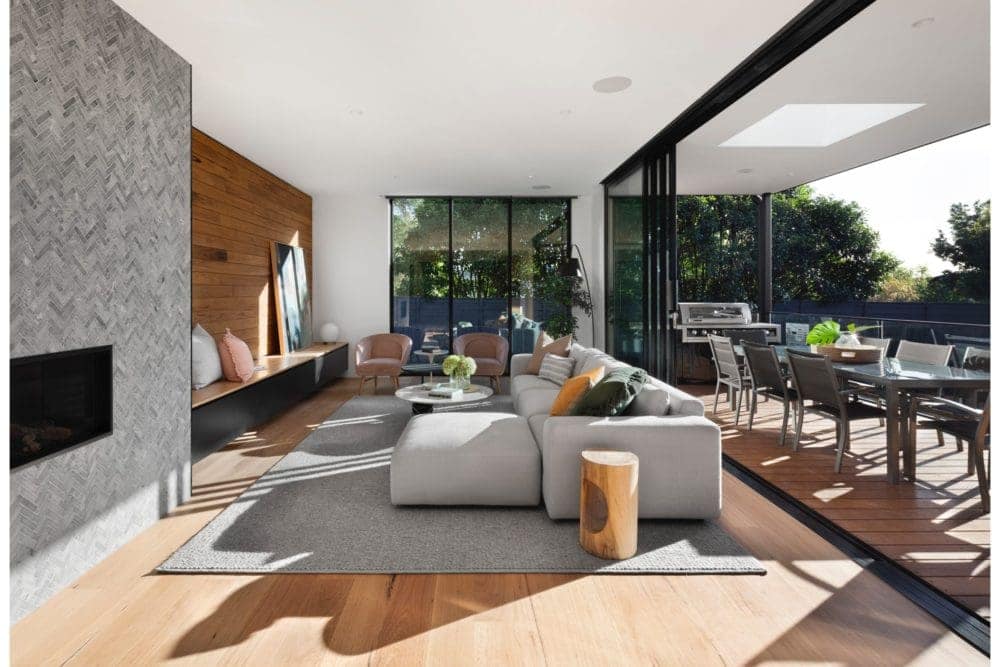
Architecture & Interior Design: How to Build a Home That Looks Better, Feels Better, and Lives Better
Hey there! If you’re looking to level up your home, you’re in the perfect place. Interior design is the fun part everyone notices—but the real magic happens when architecture and interior design work together. That’s when a home stops feeling like “a collection of rooms” and starts feeling like a complete, intentional sanctuary.
This is your long-form, SEO-friendly guide to designing a space that feels balanced, comfortable, and visually elevated—whether you live in a modern build, a classic colonial, a cozy apartment, or a forever home you’re still shaping over time.
Below you’ll find practical, real-world design strategies that complement the tips you already posted (textures, plants, lighting, details, decluttering, scale, mixing old/new). We’ll go deeper—into layout, flow, materials, architectural features, and the design moves that instantly make a home look polished.
1) Start With Architecture: The “Invisible Design” That Changes Everything
Interior design is what you see. Architecture is what you feel.
Even if you’re not renovating, thinking like an architect improves your results. Architecture influences how your home functions in daily life: the way you walk through it, where you pause, where you gather, and where you recharge.
Architectural design elements that shape the interior
-
Circulation paths: the natural routes people take from entry to kitchen, living room, bedrooms, and outdoors
-
Sightlines: what you see as you enter a room (and what you don’t want to see)
-
Proportion: ceiling height, window size, door placement, and the relationship between rooms
-
Natural light: direction of sunlight and how it moves throughout the day
-
Transitions: doorways, thresholds, hallways, and how rooms connect
If your home ever feels “off,” it’s often not a decor problem—it’s a layout and flow problem.
2) The Power of a Strong Entry: Make the First 10 Seconds Count
Your entryway sets the emotional tone. It can feel calming, expensive, bright, cozy, dramatic, or chaotic—depending on what it communicates.
Quick entry upgrades that feel architectural
-
Add a statement light fixture (or swap to a warmer bulb temperature)
-
Use a runner rug to guide the eye and soften sound
-
Add a mirror to bounce light and widen the space
-
Create one strong focal point: art, console, or a sculptural plant
-
Hide clutter with a closed cabinet or baskets
A great entry tells visitors (and you): “This home is intentional.”
3) Layout First, Decor Second: Fix the Flow Before You Buy Anything
Many people decorate too early. They buy furniture first, then try to force it into a layout that doesn’t work. The result is rooms that feel crowded, awkward, or unfinished.
Instead, do this:
The “flow test” (simple but powerful)
-
Stand in each doorway and ask: What is the focal point?
-
Walk through the room and ask: Is anything blocking movement?
-
Sit in the key seats and ask: What do I see? What do I hear?
-
Check lighting at night: Do I have layers of light or just one ceiling fixture?
Great interior design begins with how the room performs.
4) Scale and Proportion: The Fastest Way to Make a Home Look High-End
You already mentioned scale, and it’s worth doubling down on—because scale is the difference between “nice” and “designer.”
Common proportion mistakes
-
Rug is too small (it visually shrinks the room)
-
Curtains hang too low (it shortens the walls)
-
Art is too small above furniture (it looks lost)
-
Furniture floats awkwardly with no grounding elements
High-end fixes (that don’t require a remodel)
-
Hang curtains higher and wider than the window frame
-
Choose a rug that allows at least the front legs of furniture to sit on it
-
Use fewer, larger decor pieces instead of many small ones
-
Add vertical elements: tall plants, floor lamps, or large-scale art
When proportion is right, everything looks more expensive—even affordable pieces.
5) Materials Matter: Mix Finishes Like a Designer
One of the easiest ways to elevate a home is by mixing materials and finishes intentionally. This is where architecture and interior design meet: wood, metal, stone, glass, plaster, linen, leather—each adds a different emotion.
A balanced material palette usually includes:
-
1 warm element (wood, brass, leather)
-
1 cool element (stone, chrome, concrete)
-
1 soft element (linen, wool, boucle)
-
1 grounding element (black metal, dark wood, charcoal accents)
The goal isn’t perfect matching—it’s harmony.
6) The Lighting Plan: The Secret “Architecture Hack” Everyone Forgets
Lighting is architecture you can control.
If your home feels flat or “cheap,” you might not need new furniture—you might need better light placement. Designer homes use layered lighting to shape mood and depth.
The 3 layers of lighting
-
Ambient: overall light (ceiling fixtures, recessed lights)
-
Task: functional light (reading lamps, under-cabinet lights)
-
Accent: mood and drama (picture lights, sconces, candles, LED strips)
Easy upgrades with big payoff
-
Use dimmers everywhere possible
-
Add plug-in wall sconces to create a custom feel
-
Place lamps at different heights across a room
-
Warm bulbs (generally softer) often feel more inviting at night
At night, lighting is the difference between “home” and “hotel lobby.”
7) The Best Rooms Have a Focal Point
A focal point gives the eye somewhere to rest. Without it, a room feels busy even when it’s minimal.
Great focal points include:
-
A fireplace (real or decorative)
-
A large artwork
-
A dramatic light fixture
-
A window with great curtains
-
A statement bookshelf
-
A feature wall (paneling, wallpaper, or paint)
If your room lacks an obvious focal point, create one. It instantly adds structure.
8) Color Strategy: Choose a Mood, Then Build Around It
Color isn’t just aesthetic—it’s emotional. Before choosing paint, ask what you want the room to feel like.
Mood-to-color examples
-
Calm + airy: warm whites, soft beige, pale greige
-
Cozy + grounded: clay, warm taupe, olive, deep browns
-
Modern + clean: crisp white, charcoal, black accents
-
Artistic + bold: deep green, navy, terracotta, saturated hues
A simple way to keep your home cohesive is to repeat 2–3 tones throughout different rooms. That repetition reads as “designed.”
9) Architectural Details That Make a Home Look Custom
Even if you’re not remodeling, you can add architectural character with small upgrades.
“Custom home” details you can add
-
Wall molding / trim: picture frame molding, board and batten
-
Upgraded baseboards: taller baseboards feel more refined
-
Door hardware: matte black, brass, or polished nickel upgrades instantly
-
Built-ins (or the built-in look): shelving that fits the wall width
-
Ceiling detail: beams, faux beams, tongue-and-groove, or paint
These changes are powerful because they feel permanent—like part of the structure.
10) Kitchen Design: Where Architecture and Interior Design Collide
The kitchen is both a workspace and a social hub. Great kitchen design feels effortless, even when it’s busy.
Kitchen architecture basics
-
Clear work zones: prep, cook, clean, store
-
Walkways that don’t collide with appliances
-
Enough landing space next to stove and sink
-
Lighting that supports cooking and atmosphere
Interior design moves that instantly elevate a kitchen
-
Hardware that matches your home’s style
-
A statement pendant light (or two)
-
Stylish bar stools with the right seat height
-
A simple, consistent palette (don’t mix too many finishes)
-
Warm accents: wood cutting boards, ceramics, art
If your kitchen feels dated, lighting + hardware + paint can do a lot before you ever replace cabinets.
11) Bedroom Design: Your Most Important “Rest Architecture”
Bedrooms aren’t just about decor. They’re about sleep, nervous system reset, and quiet comfort.
Bedroom rules that always work
-
Keep lighting soft and layered
-
Use textiles: rug, curtains, duvet, throws
-
Avoid clutter on nightstands
-
Choose art that calms, not stimulates
-
Let your bed be the focal point
A designer bedroom isn’t loud. It’s intentional.
12) Storage That Disappears: The Real Meaning of “Clutter-Free”
You already included decluttering, and here’s the next level: designing storage around habits.
The best organizing systems are:
-
Easy to maintain (not complicated)
-
Close to where items are used
-
Not too “perfect” to keep up with
-
A mix of open + closed storage
Closed storage is what makes homes look clean in photos.
Open storage is what makes homes feel lived-in.
The best homes use both.
13) Mix Old and New: Make Your Home Look Collected, Not Catalog
You mentioned mixing old and new—this is one of the most important designer principles. It makes a home feel layered and personal.
Ways to blend styles without chaos
-
Keep one unifying element (color, wood tone, or metal finish)
-
Repeat a shape (curves, arches, straight lines)
-
Use vintage pieces as accents, not overload
-
Balance modern clean lines with one or two soulful pieces
A home that feels “expensive” usually feels collected over time.
14) Texture: The Difference Between Flat and Finished
Texture is how a room gets depth. It’s the reason neutral spaces can feel rich instead of plain.
Texture ideas that feel elevated
-
Linen curtains
-
Boucle or velvet accent chair
-
Chunky knit throw
-
Woven baskets
-
Wood side table
-
Stone vase
-
Matte ceramics
-
Layered rugs (when done carefully)
If your room feels unfinished, add texture before you add more decor.
15) Art Placement: Where to Hang It So It Looks Professional
Art is not an accessory. It’s an anchor.
Quick art rules
-
Hang art at eye level (center around ~57 inches from floor is a common gallery standard)
-
Above a sofa: art should be roughly 2/3 the sofa width
-
Group small pieces into a gallery rather than scattering them
-
Use lighting: picture lights or nearby lamps elevate art instantly
Art tells your home’s story. Give it the placement it deserves.
16) Rugs and Curtains: Two “Design Cheats” With Huge Impact
If you do nothing else, upgrade these two categories.
Rugs
-
Too small is the #1 mistake
-
Go larger than you think
-
Choose textures that feel good underfoot
Curtains
-
Hang high (near ceiling)
-
Hang wide (beyond window edges)
-
Long panels add elegance, even in casual homes
These two elements immediately improve proportion and softness.
17) Make Your Home Feel Like You: The Emotional Layer of Design
Architecture sets structure. Interior design adds expression. But the final layer is emotional: the little signals that make a space yours.
That could be:
-
A shelf of books you actually love
-
A photo wall of family memories
-
A vintage item you found while traveling
-
A color that makes you feel calm
-
A chair that’s “your spot”
Trends fade. Comfort stays.
18) “Designer” Doesn’t Mean Perfect—It Means Intentional
The best homes aren’t the most expensive. They’re the most thoughtful.
They have:
-
Cohesive choices
-
Comfortable function
-
Great lighting
-
Layered textures
-
A story
-
A sense of calm
And the best part? You can build that slowly, one smart upgrade at a time.
Bonus: A Simple Checklist for an Instantly Better Room
Use this to quickly assess any space:
-
✅ Clear focal point
-
✅ Rug sized correctly
-
✅ Curtains hung high and wide
-
✅ Layered lighting (ambient + task + accent)
-
✅ Two to four textures present
-
✅ One statement piece (art, light, furniture, or plant)
-
✅ Surfaces edited (less clutter, more intention)
-
✅ Balanced mix of old and new
If you hit most of these, your room will look “designed,” no matter your budget.
Closing: Architecture + Interior Design = A Home That Works and Wows
A beautiful home isn’t just decor. It’s flow. It’s proportion. It’s light. It’s function. It’s the feeling you get when you walk in and everything makes sense.
So keep experimenting. Keep refining. Mix textures, add plants, adjust lighting, scale up your art, and edit the clutter. But most of all—design your home around how you actually live.
That’s how you get a space that looks elevated and feels effortless.
