This video focuses on how smart design choices can dramatically elevate a home’s appearance without requiring a large budget. It emphasizes that an expensive-looking space is created through balance, cohesion, and attention to detail rather than price tags. By refining color palettes, improving lighting, and simplifying visual clutter, spaces naturally feel more intentional and refined. The video reinforces that editing a room—removing excess rather than adding more—is often the key to achieving a polished, high-end look.
This video highlights the power of creativity in shaping a beautiful home through hands-on projects. It demonstrates how affordable materials can be transformed into décor that feels personal, stylish, and intentional. Rather than relying on mass-produced items, the ideas encourage individuality and experimentation. The video also shows how DIY projects allow spaces to evolve over time, creating homes that feel layered, expressive, and lived-in.
This video challenges common organization habits that look good temporarily but fail in everyday life. It explains that many systems don’t work because they ignore real routines and behavior patterns. Instead, the focus is on designing organization around how a home is actually used, making systems easier to maintain. The video reframes organization as a supportive tool that reduces stress and improves daily flow rather than something rigid or perfection-driven.
This video breaks down common interior design mistakes that negatively affect how a home is perceived. It explains that many spaces feel “cheap” not because of budget limitations, but due to imbalance, poor lighting, or lack of cohesion. By addressing issues such as scale, overcrowding, and mismatched finishes, rooms can instantly feel more polished. The video encourages thoughtful restraint and intentional choices to create timeless, confident interiors.
This video explores how to design children’s rooms that balance creativity, function, and comfort. It highlights the importance of adaptable layouts that can grow with a child over time. Rather than overly themed designs, the focus is on flexible foundations that support play, learning, and rest. The video also emphasizes involving children in the process, helping create spaces that feel personal, supportive, and joyful.
The Future of Home: Decorating Trends Defining 2026
In 2026, decorating is no longer about following trends—it’s about responding to life. Homes are becoming more intentional, more expressive, and more human, shaped by how people actually live rather than how spaces perform on screens. After years of rapid change, excess inspiration, and design overload, the prevailing mood has shifted toward clarity, meaning, and emotional comfort. The most important decorating trend of 2026 is not a color, a material, or a style—it’s purpose.
A Return to Emotional Design
Design in 2026 places emotional response at the center of every decision. Homes are being shaped to support calm, creativity, rest, and connection. Instead of styling rooms to impress, homeowners are curating environments that feel grounding and restorative. Softer lighting, tactile materials, and visually quieter compositions dominate interiors. The goal is not minimalism for its own sake, but relief—spaces that allow the mind to exhale.
Color palettes reflect this shift. Earth tones remain strong, but with greater nuance: clay softened by mineral whites, forest greens balanced with warm neutrals, and muted blues replacing stark grays. These colors don’t shout—they support. They are chosen not for trend value, but for how they feel at different times of day.
Craft, Character, and the End of Disposable Decor
2026 marks a clear departure from disposable décor. The era of buying, discarding, and replacing with each season is fading fast. Instead, homes are filled more slowly, with pieces chosen for longevity, craftsmanship, and story. Handmade objects, vintage finds, and locally produced art take precedence over mass-produced accessories.
This doesn’t mean homes look old or nostalgic. On the contrary, spaces feel more contemporary because they are less cluttered and more curated. Each object earns its place. A ceramic bowl, a woven textile, or a sculptural lamp is valued not just for its appearance, but for the human hand behind it. Imperfection is no longer hidden—it is celebrated.
Art as Anchor, Not Afterthought
In 2026, art is no longer something added at the end of a decorating process. It is the starting point. Rooms are increasingly designed around a single piece of art, whether it’s a painting, photograph, textile, or sculptural object. Art anchors color choices, furniture placement, and even lighting decisions.
Importantly, the definition of art has expanded. Personal photography, children’s drawings, inherited objects, and functional craft are all treated with the same respect as gallery-worthy pieces. What matters is resonance. Art in 2026 is deeply personal, often imperfect, and intentionally visible. Blank walls are no longer a mark of restraint—they’re an opportunity missed.
Layered Simplicity Over Stark Minimalism
Minimalism hasn’t disappeared, but it has evolved. The stark, gallery-like interiors of the past decade feel increasingly out of sync with how people want to live. In their place is layered simplicity—spaces that are visually calm but rich in texture, depth, and warmth.
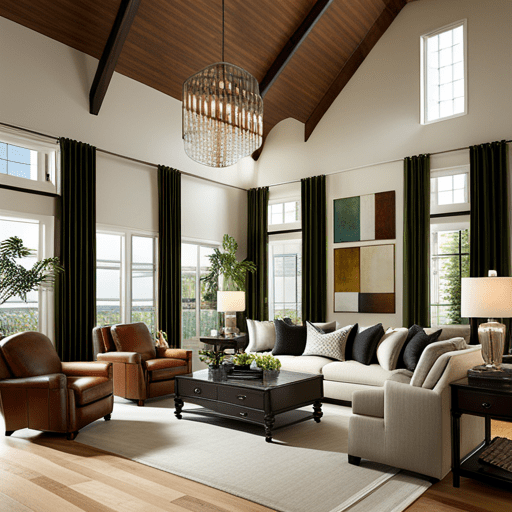
This trend shows up in the mix of materials: plaster walls paired with wood floors, linen upholstery softened by wool throws, stone surfaces warmed by natural light. Furniture silhouettes are simpler, but not severe. Comfort is prioritized without sacrificing elegance. Rooms feel finished, but never rigid.
Rooms That Adapt, Not Perform
Flexibility is a defining theme of 2026 decorating. Homes are no longer divided strictly by function. Dining rooms double as creative studios. Bedrooms include reading corners and meditation spaces. Living rooms are designed for both solitude and gathering.
Decorating reflects this adaptability. Modular furniture, movable lighting, and layered storage solutions allow spaces to shift throughout the day. The emphasis is on flow rather than formality. A well-decorated home in 2026 feels responsive, not staged—capable of changing with the people who live there.
The Rise of Quiet Luxury
Luxury in 2026 is subtle, tactile, and deeply personal. It has little to do with logos or obvious expense. Instead, it’s expressed through quality materials, thoughtful proportions, and attention to detail. A perfectly placed lamp, a hand-finished edge, or a well-worn vintage chair communicates more than anything flashy ever could.
This “quiet luxury” movement aligns with a broader cultural desire for authenticity. Homes feel refined, but never intimidating. Beauty is present, but it doesn’t demand attention—it rewards it.
Sustainability Without Aesthetic Sacrifice
Sustainability in 2026 is assumed, not advertised. Eco-conscious choices are integrated seamlessly into design rather than treated as a separate category. Reclaimed materials, low-impact finishes, and long-lasting furnishings are chosen because they make sense—both environmentally and aesthetically.
What’s changed is the narrative. Sustainable homes no longer look austere or overly rustic. They are warm, modern, and comfortable, proving that responsible choices enhance design rather than limit it.
Personal History as Design Language
Perhaps the most defining decorating trend of 2026 is the embrace of personal history. Homes are increasingly reflective of lived experience rather than curated ideals. Travel souvenirs, family heirlooms, and objects tied to memory are thoughtfully incorporated into interiors.
This trend rejects the idea of a “perfect” home. Instead, it values authenticity. Spaces feel layered over time, not styled overnight. Decorating becomes a form of storytelling—one that evolves as life does.
Looking Ahead
The decorating trends of 2026 point toward a more grounded future. Homes are becoming places of restoration, creativity, and honest expression. Design is no longer about keeping up—it’s about tuning in. What emerges is not a single look, but a shared philosophy: homes should support the people who live in them, not perform for those who don’t.
In this new era, the best-decorated homes are not the most photographed, but the most felt. They are spaces where art has meaning, objects have history, and beauty is experienced quietly, every day.
The Art of Decorating
Decorating your home is a meaningful way to express personality and shape daily experience. Through color, texture, layout, and art, decorating allows spaces to feel intentional and welcoming. Whether refreshing a single room or evolving an entire home, the process is about connection rather than perfection. When done thoughtfully, decorating transforms a house into a place that feels comfortable, expressive, and truly lived in.
To get started, consider the overall mood or feeling you want to achieve with your decorating project. Think about what colors best represent that mood, and which furniture pieces will bring out the best in those colors. You may also want to incorporate textiles and artwork that add texture and visual interest to the room. When coordinating different elements, try not to focus too much on matching everything perfectly; instead focus on creating harmony between the pieces.
Lighting is also key when it comes to decorating your home. Natural lighting, whether from windows or skylights, can open up a room and create a bright atmosphere. If natural light isn’t available, consider using artificial lighting to give the same effect. Additionally, consider using different types of lighting–such as task lighting for reading or under-cabinet lights for the kitchen–to add more depth and functionality to each room.
Finally, don’t forget about smaller details like rugs, curtains, pillows and other accessories that can pull together any space. With thoughtful consideration of color, pattern and texture you can create an inviting home that reflects your personal style! Whether you are adding new pieces to an old design or completely redecorating from scratch, with the right approach and tools you can create a one-of-a-kind space that is sure to impress. The art of decorating is all about finding creative ways to bring your vision to life and make your home truly yours! So don’t be afraid to get creative, take risks, and explore new ideas when it comes to decorating your home. With a little bit of effort, you can turn any room into a cozy and inviting sanctuary. Have fun with it!
Happy Decorating! 🙂
Connecticut Real Estate Real Estate & Relocation The Connecticut Art Gallery
Design Inspiration That Actually Works in Real Homes
Decorating inspiration is everywhere, but not all advice translates well into real life. Some ideas look great on screen yet fall flat in everyday spaces. The key to successful home design is knowing how to adapt inspiration to your own lifestyle, budget, and layout.
Whether you’re trying to elevate your interiors, organize your space more effectively, or create a room that truly works for your family, thoughtful design choices make all the difference.
What Makes a Home Look Expensive (Without Spending More)
A home that looks polished and refined isn’t about price—it’s about intention. The most elevated interiors share a few common traits: simplicity, balance, and consistency.
Small upgrades can completely change how a space feels:
-
Cohesive color palettes instead of scattered tones
-
Fewer, larger statement pieces rather than many small items
-
Thoughtful placement of furniture that allows rooms to breathe
-
Quality textures like wood, linen, stone, and metal
An “expensive” look often comes from restraint. Editing a space—removing what doesn’t serve it—can be just as powerful as adding something new.
DIY Decor That Feels Personal, Not Temporary
DIY home decor is most successful when it feels intentional rather than improvised. Handmade pieces add warmth, individuality, and story to a space—especially when they’re designed to last.
The best DIY projects:
-
Solve a real need (storage, lighting, seating, display)
-
Use neutral or timeless materials
-
Blend seamlessly with existing decor
-
Reflect your personal taste rather than trends
A thoughtfully made shelf, custom artwork, or refinished furniture piece can become a focal point that anchors a room emotionally as well as visually.
Home Organization: Why Less Is Almost Always More
Organization isn’t about hiding clutter—it’s about changing how a space functions. When a home feels chaotic, it’s often because storage solutions don’t align with daily habits.
Instead of forcing rigid systems, effective organization:
-
Works with how you naturally move through your home
-
Keeps everyday items accessible, not buried
-
Reduces visual noise
-
Makes cleaning and maintenance easier
A well-organized home feels calmer not because everything is perfect, but because everything has a place.
Common Design Mistakes That Cheapen a Space
Even beautiful homes can feel off when a few key design principles are overlooked. Often, it’s not what’s in the room—but how it’s used.
Common mistakes include:
-
Furniture that’s too small for the room
-
Overcrowded walls and surfaces
-
Inconsistent finishes and hardware
-
Poor lighting placement
-
Ignoring scale and proportion
Correcting just one or two of these issues can dramatically elevate the overall look and feel of a space.
Designing Spaces for Children Without Sacrificing Style
A child’s room doesn’t have to be chaotic or overly themed to be fun. The best kids’ spaces balance creativity with flexibility.
Successful children’s room design focuses on:
-
Adaptable furniture that grows with the child
-
Neutral foundations with playful accents
-
Smart storage for toys, books, and clothes
-
Areas for rest, play, and creativity
When designed thoughtfully, a kid’s room can be joyful, organized, and visually appealing—all at once.
Decorating as a Form of Storytelling
Every home tells a story. Decorating is how that story is shaped and shared.
Artwork, furniture, textiles, and objects all contribute to a narrative that reflects:
-
Where you’ve been
-
What you love
-
How you live
-
What brings you comfort
Rather than aiming for perfection, aim for authenticity. Homes that feel real are always more inviting than those that feel staged.
Why Details Matter More Than Big Changes
You don’t need a full renovation to transform your home. Often, it’s the smallest details that make the biggest impact.
Consider:
-
Switching out hardware or light fixtures
-
Updating textiles like pillows, rugs, and curtains
-
Rearranging furniture for better flow
-
Introducing art or mirrors strategically
These changes refresh a space without overwhelming it.
A Home That Works Is a Home That Feels Good
Design isn’t just visual—it’s emotional. A well-decorated home supports how you live, rest, and connect.
When spaces are:
-
Comfortable
-
Functional
-
Visually balanced
-
Personally meaningful
They naturally become places you want to spend time in.
The Art of Decorating, Reimagined
Decorating your home is not about rules—it’s about awareness. Awareness of space, light, movement, and emotion. When design choices are made with care, even simple rooms feel special.
At Home & Art Magazine, we believe decorating should feel empowering, not intimidating. Whether you’re experimenting with DIY projects, refining your organization systems, or correcting common design mistakes, every step you take brings you closer to a home that feels truly yours.
So take inspiration, adapt it to your life, and trust your instincts.
Happy decorating.
