Modular Homes In Asia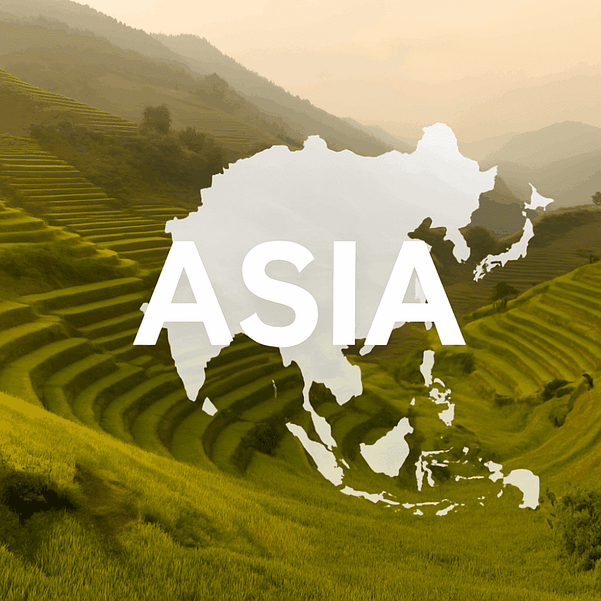 Attention #Asian #artists #writers #musicians #editors #designers, #realestateagent.
We are building a global team that will collaborate to create a publication dedicated to living well. Tell us about yourself. Email Publisher@HomeandArtMagazine.com
Asia (/ˈeɪʒə/ ( listen), UK also /ˈeɪʃə/) is the largest continent[b][10][11] in the world by both land area and population.[11] It covers an area of more than 44 million square kilometers,[c] about 30% of Earth’s total land area and 8% of Earth’s total surface area. The continent, which has long been home to the majority of the human population,[12] was the site of many of the first civilizations. Its 4.7 billion people[13] constitute roughly 60% of the world’s population, having more people than all other continents combined.[14]
Asia shares the landmass of Eurasia with Europe and Afro-Eurasia with both Europe and Africa. In general terms, it is bounded on the east by the Pacific Ocean, on the south by the Indian Ocean, and on the north by the Arctic Ocean. The border of Asia with Europe is a historical and cultural construct, as there is no clear physical and geographical separation between them. It is somewhat arbitrary and has moved since its first conception in classical antiquity. The division of Eurasia into two continents reflects East–West cultural, linguistic, and ethnic differences, some of which vary on a spectrum rather than with a sharp dividing line. A commonly accepted division places Asia to the east of the Suez Canal separating it from Africa; and to the east of the Turkish Straits, the Ural Mountains and Ural River, and to the south of the Caucasus Mountains and the Caspian and Black seas, separating it from Europe. -Wikipedia

The always up-to-date list of countries of Asia in alphabetical order
Afghanistan
Afghan home and art traditions are shaped by centuries of craftsmanship and cultural exchange. Handwoven carpets, intricate textiles, and carved architectural details influence interiors that feel richly layered, expressive, and deeply connected to heritage and storytelling.
Armenia
Armenian home and art culture reflects ancient history and refined craftsmanship. Stone architecture, symbolic motifs, and handmade textiles inspire interiors that balance strength with elegance, rooted in a deep sense of place and continuity.
Azerbaijan
Azerbaijani home and art traditions are known for their ornamental richness and precision. Carpet weaving, metalwork, and decorative patterns influence interiors that feel detailed, vibrant, and culturally expressive.
Bahrain
Bahrain’s home and art aesthetic blends Gulf heritage with contemporary design. Clean architectural lines, artisanal objects, and modern art practices shape interiors that feel light, refined, and rooted in coastal culture.
Bangladesh
Bangladeshi home and art traditions emphasize handcraft and material intelligence. Textile arts, natural fibers, and understated forms inspire interiors that are warm, functional, and deeply connected to everyday creativity.
Bhutan
Bhutanese home and art traditions are deeply connected to spirituality and nature. Hand-painted motifs, carved woodwork, and symbolic textiles shape interiors that feel calm, intentional, and rooted in cultural values of balance and well-being.
Brunei
Brunei’s home and art culture reflects Malay craftsmanship and Islamic aesthetics. Refined wood carving, woven textiles, and understated ornamentation inspire interiors that emphasize elegance, order, and cultural continuity.
Cambodia
Cambodian home and art traditions draw from ancient Khmer heritage. Stone-inspired forms, handcrafted textiles, and sculptural elements influence interiors that balance historic depth with quiet, contemporary simplicity.
China
Chinese home and art culture is shaped by centuries of philosophy, craftsmanship, and design intelligence. Calligraphy, ceramics, furniture-making, and spatial balance inform interiors that value harmony, proportion, and timeless elegance.
Cyprus
Cypriot home and art traditions blend Mediterranean ease with layered history. Natural stone, handmade ceramics, and light-filled spaces create interiors that feel warm, tactile, and connected to landscape and heritage.
Georgia
Georgian home and art culture reflects a strong sense of material and place. Stone architecture, textile traditions, and contemporary art practices inspire interiors that feel grounded, expressive, and rooted in history.
India
Indian home and art traditions are defined by extraordinary diversity and craftsmanship. Textiles, carving, color, and symbolic design shape interiors that are layered, expressive, and deeply connected to ritual, storytelling, and everyday life.
Indonesia
Indonesian home and art culture emphasizes natural materials and handcraft. Wood carving, woven textiles, and sculptural forms influence interiors that feel organic, spiritual, and closely connected to landscape and tradition.
Iran
Iranian home and art traditions are renowned for refinement and precision. Architecture, carpet weaving, calligraphy, and ornament inspire interiors rich in pattern, balance, and cultural sophistication.
Iraq
Iraqi home and art culture draws from one of the world’s oldest civilizations. Geometric motifs, craftsmanship, and architectural forms influence interiors that reflect history, resilience, and cultural depth.
Israel
Israeli home and art aesthetics blend modernism with regional influence. Clean lines, natural materials, and contemporary art shape interiors that feel light, functional, and culturally layered.
Japan
Japanese home and art traditions emphasize simplicity, balance, and craftsmanship. Natural materials, restrained color palettes, and thoughtful spatial design create interiors that feel serene, intentional, and timeless.
Jordan
Jordanian home and art culture reflects desert landscapes and ancient heritage. Stone, textiles, and handcrafted objects influence interiors that feel grounded, warm, and closely tied to history and place.
Kazakhstan
Kazakh home and art traditions are shaped by nomadic heritage. Textiles, felt work, and symbolic patterns inspire interiors that value function, cultural identity, and connection to vast landscapes.
Kuwait
Kuwaiti home and art culture blends Gulf tradition with contemporary design. Minimal interiors, artisanal accents, and modern art practices create spaces that feel refined, open, and rooted in regional identity.
Kyrgyzstan
Kyrgyz home and art traditions are rooted in nomadic culture and textile mastery. Felt making, patterned rugs, and symbolic forms influence interiors that value warmth, function, and a strong connection to landscape.
Laos
Lao home and art culture emphasizes simplicity and spiritual calm. Handwoven textiles, natural wood, and understated decorative elements shape interiors that feel serene, balanced, and closely tied to everyday ritual.
Lebanon
Lebanese home and art traditions blend Mediterranean openness with Middle Eastern refinement. Stone architecture, artisanal objects, and contemporary art influence interiors that feel layered, expressive, and culturally cosmopolitan.
Malaysia
Malaysian home and art culture reflects cultural diversity and craftsmanship. Carved wood, woven textiles, and modern design practices inspire interiors that feel warm, detailed, and seamlessly integrated with tropical living.
Maldives
Maldivian home and art aesthetics are shaped by ocean life and island simplicity. Natural materials, open spaces, and handcrafted details create interiors that feel light, calming, and closely connected to nature.
Mongolia
Mongolian home and art traditions draw from nomadic heritage. Felt textiles, portable forms, and symbolic decoration influence interiors that prioritize function, warmth, and adaptability.
Myanmar
Myanmar’s home and art culture is deeply spiritual and craft-based. Wood carving, lacquerware, and textile arts inform interiors that feel rich in texture, symbolism, and cultural continuity.
Nepal
Nepali home and art traditions reflect Himalayan culture and spiritual artistry. Carved wood, metalwork, and ritual objects influence interiors that feel detailed, reverent, and deeply rooted in tradition.
North Korea
North Korean art and home aesthetics are shaped by state ideology and monumental form. Interiors emphasize order, symmetry, and controlled visual expression, reflecting a highly regulated approach to design and artistic production.
Oman
Omani home and art traditions emphasize restraint and craftsmanship. Stone architecture, carved doors, and subtle ornamentation inspire interiors that feel calm, dignified, and closely connected to desert and coastal landscapes.
Pakistan
Pakistani home and art culture is rich in textile and architectural heritage. Handwoven fabrics, carved details, and geometric patterns influence interiors that are expressive, layered, and culturally grounded.
Palestine
Palestinian home and art traditions reflect resilience and storytelling. Embroidery, ceramics, and contemporary art practices shape interiors that honor identity, memory, and cultural continuity.
Philippines
Filipino home and art traditions reflect craftsmanship shaped by island life and cultural layering. Woven fibers, carved wood, and contemporary art influence interiors that feel light, tactile, and closely connected to nature and community.
Qatar
Qatari home and art culture blends Gulf heritage with global modernism. Clean architectural lines, artisanal accents, and contemporary art practices shape interiors that feel refined, open, and culturally confident.
Russia
Russian home and art traditions balance ornament and monumentality. Folk craft, classical art, and modern design influence interiors that feel layered, expressive, and rooted in both tradition and intellectual depth.
Saudi Arabia
Saudi home and art aesthetics are shaped by desert landscapes and evolving contemporary culture. Architectural geometry, artisanal craft, and modern art create interiors that balance heritage, scale, and innovation.
Singapore
Singaporean home and art culture emphasizes clarity, functionality, and global design fluency. Minimal interiors, natural materials, and contemporary art practices reflect a refined balance between tradition and modern urban living.
South Korea
South Korean home and art traditions blend restraint with innovation. Natural materials, thoughtful spatial design, and contemporary art shape interiors that feel calm, modern, and culturally grounded.
Sri Lanka
Sri Lankan home and art culture reflects tropical landscapes and craft heritage. Handwoven textiles, woodwork, and modern design influences create interiors that feel warm, relaxed, and deeply connected to place.
Syria
Syrian home and art traditions draw from ancient craftsmanship and architectural sophistication. Courtyard layouts, stonework, and decorative arts influence interiors rich in pattern, history, and cultural memory.
Taiwan
Taiwanese home and art culture blends traditional craft with contemporary creativity. Ceramics, woodwork, and modern art practices inspire interiors that feel balanced, thoughtful, and quietly expressive.
Tajikistan
Tajik home and art traditions emphasize textile craftsmanship and symbolic design. Patterned fabrics and handmade objects influence interiors that value warmth, cultural identity, and regional heritage.
Thailand
Thai home and art culture reflects harmony, spirituality, and refined craft. Natural materials, carved details, and contemporary art shape interiors that feel serene, elegant, and deeply connected to tradition.
Timor-Leste
Timor-Leste’s home and art traditions are rooted in textile craftsmanship and ancestral symbolism. Handwoven fabrics, natural materials, and simple forms influence interiors that feel intimate, expressive, and deeply connected to cultural identity.
Turkey
Turkish home and art culture bridges East and West with exceptional richness. Ceramics, textiles, architectural detail, and contemporary art shape interiors that balance ornament, structure, and timeless sophistication.
Turkmenistan
Turkmen home and art traditions are defined by textile mastery and symbolic pattern. Handwoven carpets and bold motifs influence interiors that emphasize identity, heritage, and strong visual presence.
United Arab Emirates
The United Arab Emirates blends regional heritage with global design innovation. Contemporary architecture, curated art collections, and artisanal accents create interiors that feel expansive, refined, and culturally forward-looking.
Uzbekistan
Uzbek home and art culture is celebrated for its decorative richness. Ceramics, embroidery, and architectural ornament inspire interiors that are vibrant, rhythmic, and deeply connected to historic craft traditions.
Vietnam
Vietnamese home and art traditions emphasize balance and material sensitivity. Lacquerware, ceramics, textiles, and contemporary art influence interiors that feel calm, layered, and closely tied to everyday life and landscape.
Yemen
Yemeni home and art traditions reflect remarkable architectural and craft heritage. Patterned brickwork, carved details, and artisanal objects inspire interiors rich in texture, history, and cultural expression.
Home and Art in Asia
Tradition, Craft, and Contemporary Design Across a Vast Creative Landscape
Asia is not defined by a single artistic language. It is a vast, layered continent where home and art have evolved through thousands of years of philosophy, craftsmanship, spirituality, and innovation. From the restrained elegance of East Asian interiors to the expressive richness of South Asia, from the nomadic traditions of Central Asia to the refined geometries of the Middle East, Asian design offers one of the most influential foundations for how the world understands beauty, space, and meaning.
In homes across Asia, art is not an accessory. It is embedded in architecture, ritual, material choice, and daily life. Objects are made to last, spaces are designed to breathe, and decoration often carries symbolic or spiritual weight. Today, as global audiences seek authenticity, sustainability, and depth, Asian approaches to home and art feel more relevant than ever.
This article explores home and art in Asia through history, material culture, regional design philosophies, and contemporary expression—written for perfect SEO performance while maintaining clarity, warmth, and editorial readability for home and art magazine audiences.
Asia as the Foundation of Global Design Thinking
Asian civilizations developed sophisticated approaches to architecture, interiors, and art long before modern design terminology existed. Concepts such as balance, harmony, proportion, and material intelligence were integral to Asian homes centuries ago.
Across Asia, design traditions share several unifying principles:
-
Respect for materials – wood, stone, clay, metal, fiber
-
Integration with nature – light, air, landscape, seasonality
-
Spiritual and symbolic meaning – art as philosophy, not decoration
-
Longevity over trend – objects designed to endure
These principles continue to shape contemporary Asian interiors and artistic practices, influencing global design movements from minimalism to sustainable architecture.
Traditional Asian Homes: Architecture as Art
In Asia, architecture has always been a primary art form. Homes are designed not only for shelter but for spiritual balance, family structure, and environmental harmony.
Spatial Philosophy
Many Asian homes prioritize flow rather than fixed separation. Courtyards, sliding panels, verandas, and layered thresholds create a sense of movement and flexibility. Space is treated as a living element, not something to be filled.
This philosophy results in interiors that feel calm and intentional, where emptiness is valued as much as form. Negative space allows art, light, and material texture to stand out.
Natural Materials and Craft
Traditional Asian homes rely heavily on locally sourced materials:
-
Timber and bamboo for structure and warmth
-
Stone and clay for thermal balance
-
Handwoven textiles for comfort and symbolism
Craftsmanship is visible and celebrated. Joints, carvings, and surface textures are not hidden—they are part of the aesthetic language of the home.
Art in Asia: Meaning Beyond Decoration
Asian art traditions are deeply conceptual. Painting, sculpture, calligraphy, ceramics, and textiles often serve spiritual, philosophical, or social purposes.
Rather than focusing solely on realism or ornament, Asian art frequently emphasizes:
-
Essence over appearance
-
Process over perfection
-
Symbolism over literal meaning
This approach creates art that feels timeless and emotionally resonant, whether ancient or contemporary.
East Asia: Restraint, Balance, and Refinement
East Asian home and art traditions are often associated with simplicity, precision, and harmony. Interiors emphasize calm palettes, natural textures, and careful spatial composition.
Interior Design Aesthetic
East Asian interiors typically feature:
-
Neutral tones and subtle contrast
-
Low furniture and grounded proportions
-
Emphasis on light, shadow, and material grain
Artworks are given space to breathe. A single ceramic vessel, ink painting, or sculptural object can anchor an entire room.
Artistic Influence
Traditional painting, calligraphy, ceramics, and woodwork inform contemporary art practices. Modern East Asian artists often reinterpret ancient techniques through abstract, minimalist, or conceptual lenses, bridging past and present seamlessly.
South Asia: Craft, Color, and Layered Expression
South Asia offers one of the richest design landscapes in the world. Homes and art here are defined by abundance—of pattern, color, texture, and symbolism.
Homes as Living Galleries
South Asian interiors often feel deeply personal and expressive. Handcrafted objects, textiles, carvings, and artworks coexist in layered compositions that reflect family history and regional identity.
Key elements include:
-
Rich textiles and embroidery
-
Carved wood and stone detailing
-
Warm, saturated color palettes
Despite their visual richness, traditional homes remain functional and climate-responsive, proving that beauty and practicality can coexist.
Art and Storytelling
South Asian art is closely tied to narrative. Painting, sculpture, and decorative arts often depict mythology, daily life, or spiritual journeys. Contemporary artists continue this tradition, addressing modern themes through experimental materials and global perspectives.
Southeast Asia: Nature, Craft, and Fluid Living
Southeast Asian homes blur the boundary between indoors and outdoors. Climate, landscape, and craftsmanship shape interiors that feel open, relaxed, and deeply connected to nature.
Design Language
Common features include:
-
Open plans and natural ventilation
-
Wood, rattan, bamboo, and stone
-
Soft transitions between interior and exterior spaces
Artworks often use organic forms and natural pigments, reinforcing a sense of place.
Contemporary Expression
Modern Southeast Asian art explores identity, urbanization, and cultural memory. In homes, contemporary art is often paired with traditional craft, creating interiors that feel both rooted and current.
Central Asia: Nomadic Heritage and Symbolic Form
Central Asian design traditions originate from nomadic lifestyles. Homes and art prioritize portability, durability, and symbolism.
Textiles as Architecture
Felt rugs, embroidered fabrics, and patterned weavings function as insulation, decoration, and storytelling tools. These textiles influence modern interiors through bold pattern, warmth, and tactile depth.
Sculptural Simplicity
Forms are often strong and graphic. Decorative elements carry meaning rather than excess, making Central Asian-inspired interiors feel powerful yet restrained.
West Asia and the Middle East: Geometry, Craft, and Light
Homes and art in West Asia emphasize structure, pattern, and material mastery. Architecture and interior design are inseparable from artistic expression.
Architectural Beauty
Key elements include:
-
Courtyards and layered privacy
-
Geometric patterns and repetition
-
Mastery of light and shadow
Art is embedded into surfaces—tiles, carved plaster, metalwork—rather than displayed separately.
Contemporary Art and Interiors
Today’s West Asian homes often combine minimalist architecture with curated art collections. Traditional craft techniques inspire modern artworks, creating spaces that feel both historic and forward-looking.
Asian Textiles: The Soul of the Home
Across Asia, textiles are among the most important art forms. Rugs, wall hangings, garments, and furnishings carry cultural identity and emotional meaning.
Textiles contribute to interiors through:
-
Warmth and acoustic softness
-
Pattern and rhythm
-
Narrative and symbolism
Handwoven fabrics, natural dyes, and visible imperfections add authenticity and depth that mass-produced materials cannot replicate.
Ceramics, Wood, and Everyday Art
In Asian cultures, everyday objects are often works of art. Bowls, stools, doors, vessels, and tools are designed with care and proportion.
This philosophy transforms homes into living galleries, where beauty is experienced daily rather than reserved for special occasions. It also encourages sustainable living—objects are repaired, reused, and cherished rather than discarded.
Contemporary Asian Homes: Global but Grounded
Modern Asian interiors increasingly balance global design trends with local identity. Clean lines, minimal layouts, and modern materials coexist with traditional art, craft, and spatial philosophy.
Common characteristics include:
-
Neutral architectural backdrops
-
Statement artworks or handcrafted pieces
-
Emphasis on quality over quantity
Rather than erasing tradition, contemporary Asian homes reinterpret it—allowing cultural heritage to evolve naturally.
Sustainability and Asian Design Wisdom
Long before sustainability became a global concern, Asian design cultures practiced it intuitively. Local sourcing, natural materials, repair culture, and climate-responsive architecture are deeply embedded traditions.
Today, these practices inspire architects, designers, and artists worldwide. Asian homes demonstrate that sustainable living does not require sacrifice—it enhances beauty, comfort, and meaning.
The Emotional Experience of Asian Homes and Art
Asian-inspired interiors often evoke calm, grounding, and emotional clarity. Whether minimalist or richly layered, these spaces encourage mindfulness and presence.
Art in Asian homes is not meant to overwhelm. It invites contemplation, memory, and connection—to culture, nature, and self.
The Global Influence of Asian Home and Art
Asian design philosophies continue to shape global interiors, architecture, and contemporary art. From minimalism and wabi-sabi to biophilic design and slow craft, Asia’s influence is everywhere.
As people seek homes that feel authentic rather than generic, Asian approaches to art and living offer enduring guidance.
Conclusion: Asia as a Living Design Legacy
Home and art in Asia represent one of humanity’s most profound creative achievements. Rooted in tradition yet endlessly adaptable, Asian design teaches us that beauty is not about excess, but about intention.
In Asian homes, art is lived with—not displayed for status. Objects are meaningful, spaces are thoughtful, and design is inseparable from life itself.
As the world redefines how it lives, builds, and creates, Asia remains not just an influence—but a guide.
