Modular Homes In Africa
Attention African artists, writers, musicians, editors, designers, real estate agents.
We are building a global team that will collaborate to create a publication dedicated to living well.
Tell us about yourself. Email Publisher@HomeandArtMagazine.com
Africa is the world’s second-largest and second-most populous continent, after Asia in both aspects. At about 30.3 million km2 (11.7 million square miles) including adjacent islands, it covers 20% of Earth’s land area and 6% of its total surface area.[7] With 1.4 billion people[1][2] as of 2021, it accounts for about 18% of the world’s human population. Africa’s population is the youngest amongst all the continents;[8][9] the median age in 2012 was 19.7, when the worldwide median age was 30.4.[10] Despite a wide range of natural resources, Africa is the least wealthy continent per capita and second-least wealthy by total wealth, behind Oceania. Scholars have attributed this to different factors including geography, climate, tribalism,[11] colonialism, the Cold War,[12][13] neocolonialism, lack of democracy, and corruption.[11] Despite this low concentration of wealth, recent economic expansion and the large and young population make Africa an important economic market in the broader global context. – Wikipedia
Algeria
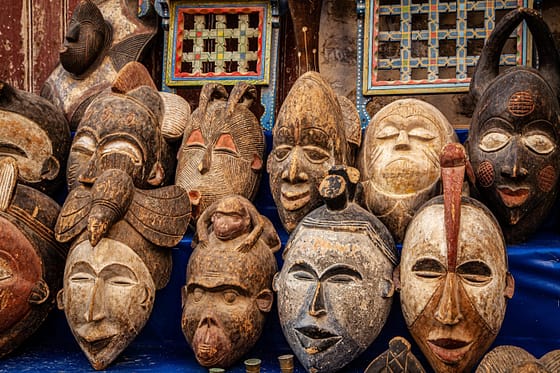
Algerian home and art traditions reflect a refined balance between Mediterranean, Amazigh, and Saharan influences. In interiors, this appears through intricate tilework, carved wood, and arched architectural forms, while Algerian art is known for its calligraphy, ceramics, and geometric patterning rooted in centuries-old craftsmanship.
Angola
Angolan art and home culture are deeply connected to material expression and symbolism. Hand-carved wooden sculptures, woven baskets, and tactile textiles influence contemporary interiors, where earthy tones and sculptural forms celebrate both ancestral heritage and modern African creativity.
Benin
Benin holds a powerful artistic legacy, particularly in sculpture, metalwork, and ceremonial art. In the home, Beninese influence is seen through symbolic objects, handcrafted décor, and expressive forms that honor storytelling, spirituality, and the country’s historic role in shaping African visual culture.
Botswana
Botswana’s approach to home and art is grounded in simplicity, craftsmanship, and respect for nature. Traditional basket weaving, natural fibers, and muted desert-inspired palettes inform interiors that feel calm, functional, and closely connected to the surrounding landscape.
Burkina Faso
Burkina Faso is celebrated for its vibrant artistic identity, particularly in textiles, masks, and contemporary visual art. These traditions translate into home décor through bold patterns, handwoven fabrics, and expressive pieces that bring movement, rhythm, and cultural depth to interior spaces.
Burundi
Burundian home and art traditions emphasize community, ritual, and handmade beauty. Woven crafts, ceremonial objects, and rhythmic forms influence interiors that feel intimate and grounded, reflecting a culture where art is inseparable from daily life.
Cabo Verde
Cabo Verde’s home and art aesthetic is shaped by its Atlantic geography and Creole heritage. Light-filled interiors, simple forms, and handcrafted objects reflect island living, while contemporary art often explores themes of migration, identity, and connection to the sea.
Cameroon
Cameroon’s home and art traditions reflect the country’s extraordinary cultural diversity. Carved wooden masks, bronze work, and richly patterned textiles influence interiors that balance sculptural presence with warmth, celebrating craftsmanship and the artistic heritage of many distinct ethnic groups.
Central African Republic
In the Central African Republic, art and home culture are rooted in handcraft and symbolism. Wood carving, weaving, and functional objects inform interiors that feel organic and grounded, where art serves both practical and cultural roles within daily life.
Chad
Chadian home and art aesthetics are shaped by the Sahelian landscape and nomadic traditions. Natural materials, simple forms, and handcrafted objects define interiors that prioritize function, resilience, and a quiet, earth-toned beauty connected to place.
Comoros
Comoros blends African, Arab, and Indian Ocean influences in both art and domestic spaces. Light interiors, carved wood details, and artisanal textiles reflect island life, while local art often expresses spirituality, heritage, and the rhythms of coastal culture.
Democratic Republic of the Congo
The Democratic Republic of the Congo is internationally recognized for its powerful artistic legacy. Bold sculpture, expressive painting, and innovative contemporary art influence interiors through statement pieces that convey identity, movement, and a strong sense of cultural pride.
Republic of the Congo
In the Republic of the Congo, home and art traditions emphasize form, rhythm, and symbolism. Carved objects, textiles, and modern art practices inspire interiors that blend ancestral aesthetics with contemporary African design sensibilities.
Cote d’Ivoire
Côte d’Ivoire is known for its influential sculptural and mask traditions. These artistic forms translate into interior spaces through expressive décor, hand-carved pieces, and dynamic compositions that bring cultural storytelling and visual strength into the home.
Djibouti
Djibouti’s home and art culture reflects its position at the crossroads of Africa and the Middle East. Minimal interiors, natural materials, and subtle decorative elements mirror the desert and coastal environment, while art often explores identity, movement, and trade routes.
Egypt
Egyptian home and art traditions draw from one of the world’s most enduring visual cultures. Architectural symmetry, symbolic motifs, and refined craftsmanship influence interiors that balance historic grandeur with contemporary elegance, connecting ancient heritage to modern living.
Equatorial Guinea
Equatorial Guinea’s home and art traditions are rooted in woodcarving, ritual objects, and natural materials. These influences appear in interiors through sculptural forms and handcrafted décor that reflect ancestral knowledge and a strong connection to the land.
Eritrea
Eritrean home and art culture blends African and Red Sea influences. Stone architecture, woven textiles, and restrained decorative elements inspire interiors that feel modest, functional, and quietly expressive of heritage and craftsmanship.
Eswatini
Eswatini’s art and home traditions emphasize symbolism and handcraft. Basketry, beadwork, and carved objects influence interiors that balance cultural expression with simplicity and a strong sense of identity.
Ethiopia
Ethiopian home and art traditions are among Africa’s most distinct, shaped by ancient civilization and spiritual heritage. Iconic crosses, handwoven textiles, and bold patterns inform interiors rich in history, symbolism, and visual strength.
Gabon
Gabonese art is known for its sculptural power and ceremonial significance. In the home, carved wood forms and organic materials create interiors that feel grounded, expressive, and closely tied to ritual and nature.
Gambia
Gambian home and art culture reflects community-based craft traditions. Woven textiles, handmade furniture, and natural finishes inspire interiors that are warm, functional, and rooted in everyday creativity.
Ghana
Ghana is internationally celebrated for its vibrant artistic heritage. Kente textiles, symbolic motifs, and contemporary art practices influence interiors that are bold, meaningful, and deeply connected to storytelling and identity.
Guinea
Guinea’s home and art traditions emphasize rhythm, form, and handcraft. Carved objects and woven materials translate into interiors that feel tactile, expressive, and closely linked to cultural ceremony.
Guinea-Bissau
In Guinea-Bissau, art and domestic design reflect ritual and symbolism. Sculptural objects and handcrafted décor bring cultural depth into interiors, where form and meaning are inseparable.
Kenya
Kenyan home and art aesthetics draw from diverse landscapes and cultures. Beadwork, textiles, and contemporary art influence interiors that blend tradition with modern African design and global perspectives.
Lesotho
Lesotho’s art and home traditions are shaped by mountain life and resilience. Wool textiles, stone architecture, and minimalist forms inspire interiors that feel strong, practical, and deeply connected to place.
Liberia
Liberian home and art culture reflects storytelling and handmade tradition. Wooden sculpture and functional craft influence interiors that value simplicity, narrative, and material honesty.
Libya
Libyan home and art traditions are shaped by desert landscapes and Mediterranean history. Architectural forms, geometric motifs, and natural materials inform interiors that balance restraint with cultural richness.
Madagascar
Madagascar’s home and art traditions reflect biodiversity and ancestral belief systems. Handcrafted woodwork, textiles, and organic forms create interiors that feel expressive, natural, and culturally layered.
Malawi
Malawian home and art culture emphasizes community craft and simplicity. Basketry, pottery, and carved objects inspire interiors that are welcoming, functional, and grounded in everyday artistry.
Mali
Mali holds one of Africa’s most influential artistic legacies. Mud architecture, textiles, and sculpture inspire interiors defined by earthy tones, strong forms, and a deep sense of historical continuity.
Mauritania
Mauritanian home and art traditions reflect nomadic heritage and desert life. Minimal forms, natural fibers, and subdued palettes create interiors that feel contemplative and rooted in environment.
Mauritius
Mauritius blends African, Asian, and European influences in both art and home design. Light-filled interiors, handcrafted details, and contemporary art reflect cultural fusion and island living.
Morocco
Moroccan home and art traditions are renowned worldwide. Zellige tilework, carved plaster, and artisanal textiles inspire interiors rich in pattern, craftsmanship, and timeless elegance.
Mozambique
Mozambican home and art culture reflects coastal influences and expressive craft. Sculpture, textiles, and contemporary art inform interiors that feel dynamic, tactile, and culturally layered.
Namibia
Namibian art and home aesthetics draw from vast landscapes and indigenous craft. Natural materials, muted tones, and sculptural simplicity create interiors that feel expansive and grounded.
Niger
Niger’s home and art traditions are shaped by Sahelian life and resilience. Handcrafted objects and earthy materials inspire interiors defined by function, restraint, and cultural continuity.
Nigeria
Nigeria is a powerhouse of African art and design. Sculpture, textiles, and contemporary art influence interiors that are bold, expressive, and reflective of one of the continent’s most dynamic creative cultures.
Rwanda
Rwandan home and art traditions emphasize craftsmanship and renewal. Basketry, modern art, and clean architectural lines inform interiors that feel calm, intentional, and forward-looking.
Sao Tome and Principe
São Tomé and Príncipe’s home and art culture reflects island simplicity and heritage. Handcrafted objects, natural textures, and understated design create interiors connected to nature and rhythm.
Senegal
Senegal is known for its vibrant contemporary art scene. Painting, sculpture, and design influence interiors that feel expressive, confident, and deeply rooted in cultural dialogue.
Seychelles
Seychellois home and art aesthetics are shaped by ocean life and tropical landscapes. Light materials, handcrafted décor, and relaxed forms define interiors that emphasize ease and natural beauty.
Sierra Leone
Sierra Leone’s home and art traditions emphasize handcraft and symbolism. Woven materials and sculptural objects bring cultural depth and warmth into interior spaces.
Somalia
Somali home and art culture reflects nomadic heritage and poetic expression. Textiles, geometric patterns, and minimalist forms inspire interiors rooted in tradition and adaptability.
South Africa
South Africa’s home and art scene is globally influential. Contemporary art, craft traditions, and architectural innovation shape interiors that are bold, diverse, and conceptually rich.
South Sudan
South Sudanese home and art traditions emphasize community and ritual. Handcrafted objects and symbolic forms influence interiors that reflect resilience and cultural identity.
Sudan
Sudanese home and art traditions draw from ancient civilizations and Islamic design. Architectural forms and artisanal craft inform interiors that feel historic, balanced, and expressive.
Tanzania
Tanzanian home and art culture blends coastal, inland, and contemporary influences. Carving, textiles, and modern art inspire interiors that feel layered, warm, and culturally connected.
Togo
Togo’s home and art traditions emphasize symbolism and craftsmanship. Textiles, sculpture, and ritual objects translate into interiors rich in texture and meaning.
Tunisia
Tunisian home and art traditions blend Mediterranean clarity with North African craft. Ceramics, mosaics, and architectural detail inspire interiors that feel fresh, elegant, and rooted in history.
Uganda
Ugandan home and art culture reflects storytelling and handmade tradition. Craft-based décor and contemporary art influence interiors that feel welcoming, expressive, and human-centered.
Zambia
Zambian home and art traditions emphasize craft and natural materials. Basketry, carving, and textile work inspire interiors that are warm, grounded, and quietly expressive.
Zimbabwe
Zimbabwe is internationally known for its stone sculpture tradition. This artistic heritage influences interiors through sculptural presence, natural materials, and a strong sense of form.
Africa as Inspiration
How African Design, Art, and Heritage Shape Contemporary Homes
Africa is not a trend, a color palette, or a fleeting aesthetic. It is a living source of artistic intelligence—ancient, innovative, spiritual, and profoundly modern. For centuries, African art, architecture, and craftsmanship have influenced global design, often without credit. Today, that influence is finally being acknowledged, celebrated, and thoughtfully integrated into contemporary homes and art spaces.
In home and art magazines around the world, Africa now represents more than visual richness. It symbolizes authenticity, sustainability, storytelling, and a deep respect for material and place. From sculptural furniture inspired by vernacular architecture to handwoven textiles and powerful contemporary artworks, African influence is redefining what meaningful design looks like.
This article explores Africa as a creative force in home décor and art—examining its design philosophies, materials, traditions, and modern interpretations—while offering a clear, SEO-optimized, and readable guide for design-conscious readers.
Africa: A Continent of Design Intelligence
Africa is not a single aesthetic. It is a vast continent made up of thousands of cultures, languages, climates, and artistic traditions. From the earthen architecture of the Sahel to the beadwork of Southern Africa, from North African geometry to West African sculpture, African design is rooted in function, symbolism, and community.
What unites these diverse traditions is intention. Objects are rarely decorative alone; they are ceremonial, social, spiritual, or practical. Beauty is inseparable from purpose.
In contemporary design conversations, this philosophy feels especially relevant. As global audiences move away from disposable décor and toward meaningful living, African design principles—durability, symbolism, and connection to nature—offer a powerful blueprint.
African Architecture and the Language of Place
Traditional African architecture is one of the most underappreciated influences on modern sustainable design. Long before the term “eco-friendly” existed, African communities built structures that responded intelligently to climate, materials, and social life.
Key architectural principles include:
-
Climate responsiveness: Thick earthen walls, small openings, and shaded courtyards regulate temperature naturally.
-
Local materials: Clay, mud, stone, wood, and thatch sourced directly from the environment.
-
Community-centered layouts: Architecture designed around gathering, storytelling, and shared rituals.
These ideas now echo in modern homes through organic forms, natural finishes, and open-plan living centered on human connection rather than excess.
In contemporary architecture and interior design, African influence appears in curved walls, textured plaster, sculptural staircases, and layouts that prioritize flow and light.
African Art: From Ancestral to Contemporary
African art has always been conceptual. Masks, sculptures, textiles, and carvings are not merely objects; they are vessels of history, identity, and belief. Today’s contemporary African artists continue this tradition while addressing modern themes such as migration, memory, urban life, and global identity.
Traditional Art as Foundation
Traditional African art is deeply symbolic. Materials carry meaning. Forms communicate status, ancestry, protection, or transformation. These works influenced some of the most important movements in Western modern art, yet their original context was often misunderstood.
In the home, traditional African artworks—when sourced ethically and displayed respectfully—bring grounding energy and narrative depth to interiors.
Contemporary African Art in the Home
Contemporary African art is bold, diverse, and globally relevant. Paintings, photography, mixed media, and sculpture from African artists now feature prominently in galleries, museums, and private collections worldwide.
In residential spaces, contemporary African art offers:
-
Strong visual identity
-
Cultural storytelling
-
Emotional and intellectual engagement
Rather than blending into the background, these works often act as focal points—anchoring rooms with presence and purpose.
African Textiles: Pattern, Process, and Meaning
Textiles are one of Africa’s most influential design exports. Handwoven fabrics, dyed cloths, and embroidered surfaces have inspired global fashion and interior design for generations.
What sets African textiles apart is process. Many are made using techniques passed down over centuries, with patterns that encode history, social status, or philosophy.
Common characteristics include:
-
Bold geometric or symbolic motifs
-
Natural fibers such as cotton, wool, and raffia
-
Hand-dyed or resist-dyed methods
-
Irregularities that reflect the human hand
In contemporary homes, African textiles appear as upholstery, wall hangings, cushions, and throws—adding warmth, rhythm, and authenticity to both minimalist and eclectic interiors.
Sculptural Objects and Functional Art
In African design traditions, the line between art and function is fluid. Everyday objects—stools, vessels, tools—are often sculptural, symbolic, and beautifully proportioned.
This approach aligns perfectly with modern interior trends that favor:
-
Statement furniture
-
Handcrafted objects
-
Functional art pieces
African-inspired stools, benches, ceramics, and baskets work especially well in modern homes because they combine simplicity of form with expressive presence. They do not overwhelm a space; they ground it.
Africa and Sustainable Design
Sustainability is not new to Africa. For centuries, African communities have practiced circular design—repairing, reusing, and respecting materials because resources were precious and interconnected with survival.
This mindset is increasingly relevant in contemporary home and art design.
African influence supports sustainability through:
-
Use of natural, biodegradable materials
-
Emphasis on longevity over trends
-
Handcraft over mass production
-
Local knowledge and low-impact techniques
For homeowners and designers seeking ethical interiors, African-inspired design offers both beauty and responsibility.
Color, Earth, and Light
African color palettes are often misunderstood as overly bold or exotic. In reality, many traditional African environments are grounded in earthy neutrals—clay reds, sand beiges, charcoal blacks, and sun-bleached whites—punctuated by moments of intense color.
This balance translates beautifully into modern interiors.
Common African-inspired color themes include:
-
Warm terracotta and ochre
-
Deep indigo and charcoal
-
Soft bone, sand, and limestone tones
-
Accents of cobalt, saffron, or emerald
Light is equally important. African spaces often emphasize shadow, contrast, and filtered light, creating interiors that feel calm, tactile, and emotionally resonant.
Africa in Modern Interior Styling
In contemporary homes, African influence works best when approached with restraint and respect. Rather than filling a space with themed objects, designers focus on a few strong, authentic pieces.
Effective styling principles include:
-
One statement artwork rather than many small pieces
-
Natural materials layered with intention
-
Letting objects breathe—negative space matters
-
Mixing African elements with modern architecture
This approach avoids cliché and allows African art and design to speak with clarity and dignity.
The Emotional Power of African Design
African-inspired interiors often feel grounding and soulful. This is not accidental. Many African design traditions prioritize harmony—between people, nature, and spirit.
In the home, this translates into spaces that feel:
-
Calm rather than overstimulating
-
Warm rather than sterile
-
Expressive rather than generic
Living with African art and design elements encourages slower living, deeper appreciation, and a stronger emotional connection to one’s environment.
Ethical Sourcing and Cultural Respect
As African art and design gain global popularity, ethical sourcing becomes essential. True appreciation goes beyond aesthetics; it includes respect for makers, cultures, and histories.
Ethical engagement means:
-
Supporting living artists and artisans
-
Understanding the cultural context of objects
-
Avoiding mass-produced imitations
-
Valuing craft at its true worth
For collectors and homeowners, this approach ensures that African influence is celebrated, not exploited.
Africa as the Future of Global Design
Africa is not only a source of tradition—it is a center of innovation. Contemporary African designers and artists are shaping the future of global design through bold experimentation, hybrid identities, and new material languages.
As the world rethinks consumption, sustainability, and meaning, African design philosophies offer timeless answers. They remind us that design is not about excess, but about relationship—to land, to community, and to story.
Conclusion: Africa in the Home, Africa in the Soul
To bring Africa into the home is not to import a style, but to embrace a way of seeing. It is an invitation to live with intention, to value craft, and to recognize beauty as something deeply connected to humanity.
In art and interiors, African influence offers more than visual impact. It offers depth, wisdom, and resonance. Whether through a single sculptural object, a powerful artwork, or an architectural gesture inspired by place, Africa enriches modern living in ways that feel both ancient and urgently contemporary.
In a world searching for authenticity, Africa remains one of design’s most profound teachers.
