Home and Art Magazine: Printmaking
Printmaking is a dynamic and enduring art form that bridges craftsmanship, creativity, and innovation. At Home and Art Magazine, we celebrate printmaking as both a historic tradition and a contemporary design influence—one that continues to shape interiors, galleries, and creative spaces around the world. From bold graphic statements in modern homes to delicate, hand-pulled editions displayed in curated collections, printmaking offers accessibility, texture, and artistic depth.
At its core, printmaking involves transferring an image from a matrix—such as a metal plate, woodblock, stone, or screen—onto paper or fabric. Unlike a singular painting, printmaking allows artists to create multiple original works, each considered authentic. This balance between repetition and originality is part of what makes the medium so compelling for collectors and designers alike.
Historically, printmaking played a vital role in the spread of ideas and culture. Techniques such as woodcut and engraving flourished in Europe during the Renaissance, with masters like Albrecht Dürer elevating the craft to fine art status. In Japan, the ukiyo-e tradition—associated with artists like Hokusai—demonstrated the expressive power of color woodblock printing, influencing Western artists and designers for generations. These historical movements remind us that printmaking has always been a cross-cultural conversation.
Today, printmaking encompasses a wide range of techniques, each with its own aesthetic and technical character:
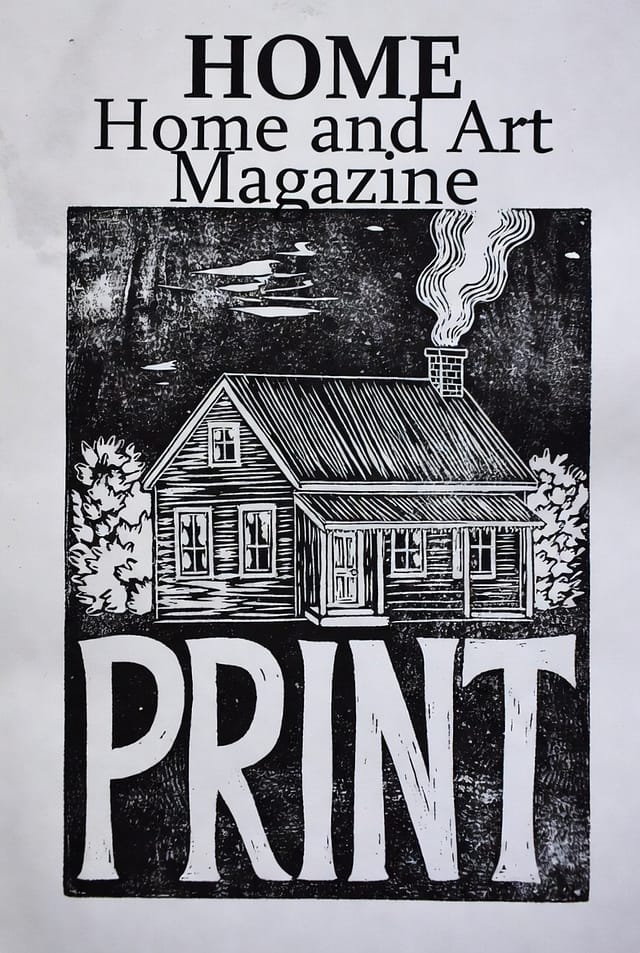
Relief Printing involves carving away negative space from a surface, inking the raised areas, and pressing them onto paper. Linocut and woodcut are popular relief methods known for their bold lines and graphic contrast. These prints often complement modern, Scandinavian, or minimalist interiors with their striking simplicity.
Intaglio Printing, including etching and engraving, requires incising lines into a metal plate. Ink settles into the recessed grooves, producing finely detailed imagery. Intaglio prints lend themselves to sophisticated, gallery-inspired home décor, offering subtle textures and refined compositions.
Lithography is based on the principle that oil and water repel one another. Artists draw directly onto a stone or metal plate with a greasy medium, allowing for painterly effects and fluid lines. This technique bridges the worlds of drawing and print, making it a favorite for expressive and gestural works.
Screen Printing, popularized in the 20th century, pushes ink through a mesh stencil to create bold, layered designs. The technique gained mainstream recognition through artists like Andy Warhol, whose vibrant prints blurred the line between fine art and popular culture. Today, screen printing thrives in both fine art studios and independent design brands, influencing textiles, wallpaper, and contemporary wall art.
One of the most exciting aspects of printmaking is its adaptability within interior design. Limited-edition prints can anchor a living room gallery wall, while monochromatic etchings bring quiet sophistication to a home office. Oversized screen prints introduce energy into open-concept spaces, and small relief prints add handcrafted charm to intimate corners.
Collectors often appreciate printmaking for its relative accessibility. Because artists can produce editions, original works are typically more attainable than one-of-a-kind paintings. This accessibility encourages new collectors to begin building meaningful art collections without sacrificing authenticity or artistic value.
Beyond aesthetics, printmaking emphasizes process. The carving, inking, wiping, and pressing require patience and precision. The tactile nature of handmade prints reflects a growing appreciation for craftsmanship in a digital world. As homeowners and designers seek authenticity, printmaking aligns beautifully with the return to artisanal, intentional living.
Contemporary artists continue to push boundaries by combining traditional techniques with digital tools, experimental surfaces, and mixed media. Some integrate collage or hand-coloring, while others print on unconventional materials like fabric, wood panels, or metal sheets. This fusion of old and new ensures that printmaking remains relevant and innovative.
At Home and Art Magazine, we see printmaking not only as an artistic discipline but as a design language—one that speaks through repetition, texture, and thoughtful composition. Whether displayed in a minimalist loft, a rustic retreat, or a modern townhouse, prints tell stories of process and perspective.
Printmaking invites us to slow down, appreciate detail, and recognize the beauty in multiples. It is a celebration of technique, tradition, and transformation—an art form that continues to leave its impression on both walls and hearts.
