

The 2026 Interior Design Rules Born From Global Uncertainty
It’s 2 a.m. and the headlines are still scrolling. Another day of shifting global tensions, market ripples, and the low hum of uncertainty that has become background noise in 2026. Yet inside, the lights are low, the sofa is deep, and the room feels like an embrace.
This is the new American living room — no longer just a place to watch TV, but a deliberate safe room for the soul.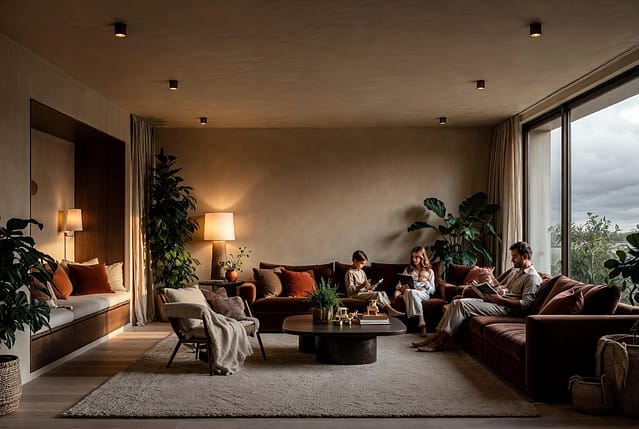
Designers across the country report the same thing: clients aren’t asking for “pretty” anymore. They’re asking for refuge. In a year when the outside world feels louder than ever, the home has quietly become the ultimate sanctuary — and 2026’s defining interiors reflect that shift with purpose, not panic.
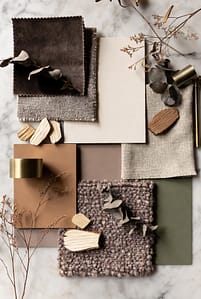
The Psychology of the Safe Room Dr. Elena Voss, color psychologist at the Institute for Environmental Design in San Francisco, has been tracking the shift since late 2025. “When external stability feels threatened, the brain craves grounding,” she explains. “Earth tones — deep browns, warm taupes, terracotta — literally lower cortisol. They remind us of soil, stone, and shelter. In 2026 we’re seeing clients reject cool grays entirely. They want colors that feel like a weighted blanket.”
This isn’t trend-chasing. It’s biology meeting beauty.
Sarah Kline, principal of Kline & Co. Interiors in Los Angeles, has redesigned 47 homes in the last nine months with what she calls “quiet armor.” “We’re building emotional bunkers that don’t look like bunkers,” she laughs. “Hidden drawers in coffee tables that double as fire safes. Window seats with storage for emergency kits that look like built-in libraries. Every element has to pass two tests: Does it calm you? Does it protect you?”
Rule 1: Layer Like Your Life Depends On It 2026’s sanctuary look is thoughtful maximalism — not clutter. Think textiles stacked three deep: a wool rug over hardwood, a linen slipcover on the sofa, a cashmere throw, and finally a chunky knit blanket. Each layer adds sound absorption and visual softness.
Marcus Hale of Hale Workshop in Brooklyn builds the furniture that makes this possible. His signature piece this year? The “Sanctuary Ottoman” — a low, deep seat that opens to reveal USB-C charging, a hidden laptop safe, and compartments for passports and medications. “It looks like heirloom furniture,” he says. “But it’s engineered for the world we actually live in.”
Rule 2: Earth Tones Are the New Neutrals Forget greige. The 2026 palette is warmer, richer, and deliberately imperfect. Chocolate brown walls paired with bone-white ceilings. Dusty terracotta on an accent wall. Olive velvet on dining chairs. These colors don’t just look good — they make you exhale.
“Clients keep saying the same thing,” Kline notes. “I want my home to feel like the moment after a deep breath.”
Rule 3: Function First, Beauty Second — But Make It Beautiful Every new build or renovation now includes what architects call “analog rooms” — spaces intentionally free of screens. A reading corner with no outlets. A breakfast nook with a built-in banquette that doubles as storm shelter seating. Lighting that can be fully manual.
Hale’s team has seen a 300% rise in requests for furniture that hides technology while celebrating craft. “The best pieces this year have visible hand marks — brushstrokes on lacquer, slight irregularities in ceramic lamps. They remind you a human made this. In uncertain times, that matters.”
Rule 4: Bring the Outside In — Then Shut It Out Biophilic design has evolved. Yes, more plants. But also sound-dampening moss walls, water features that mask news alerts, and blackout curtains in rich velvet that make the world disappear. The goal: create a micro-climate of calm.
Rule 5: Design for the Long Game Sustainability isn’t optional in 2026 sanctuary homes — it’s emotional insurance. Heirloom-quality pieces, repairable upholstery, natural fibers that age gracefully. “When the world feels temporary,” Voss says, “your sofa shouldn’t.”
Practical Takeaways You Can Use Today
-
- Swap one cool-gray wall for warm taupe or chocolate brown — instant calm.
- Add three layers of texture to your main seating area (rug + slipcover + throw).
- Install one piece of multi-functional furniture this month — even a simple lift-top ottoman changes everything.
- Create one screen-free zone with comfortable seating and great lighting.
- Choose lighting you can control without apps — dimmers and lamps only.

These small shifts compound. Homes designed this way don’t just look better — they help you feel safer.
The Shopping List • Restoration Hardware’s 2026 Cashmere Throw in Chocolate – $298 • West Elm Sanctuary Ottoman with Hidden Storage – $899 • Farrow & Ball’s 2026 Earth Collection: ‘Chocolate Ground’ paint – $120/gallon • CB2 Brass Task Lamp with Dimmer – $179 • Pottery Barn Linen Curtains in Warm Ivory – $89/panel
The outside world will keep spinning. But inside these homes — layered, grounded, quietly fortified — something different happens. People breathe easier. They sleep better. They remember what home is actually for.
In 2026, the most radical design statement isn’t bold color or maximal pattern. It’s peace on purpose.
Biophilic design psychology is the science of how incorporating nature into built environments profoundly impacts human mental and emotional well-being. At its core is the biophilia hypothesis, proposed by biologist E.O. Wilson in 1984: humans possess an innate, evolutionary affinity for nature and living things. This isn’t just poetic—it’s hardwired into our biology after millions of years in natural settings. In a world of concrete and screens, biophilic design deliberately reconnects us, triggering measurable psychological and physiological benefits.
The Two Core Psychological Mechanisms
Biophilic design works through two well-researched theories:
- Stress Reduction Theory (SRT) — Developed by Roger Ulrich, this explains how nature exposure quickly calms the nervous system. Views of greenery, natural materials, or water features lower cortisol (stress hormone), blood pressure, and heart rate while boosting positive emotions like calm and contentment. Recent studies (2024–2025) confirm even small interventions—like a living wall—reduce physiological stress markers during demanding tasks.
- Attention Restoration Theory (ART) — From psychologists Stephen and Rachel Kaplan, this shows how nature restores mental fatigue. Urban life drains our “directed attention” (focused effort). Nature provides “soft fascination”—gentle, effortless engagement (rustling leaves, flowing water)—allowing the brain to recover. This improves concentration, creativity, and cognitive performance without effort.
Together, these create restorative environments that feel instinctively “right.”
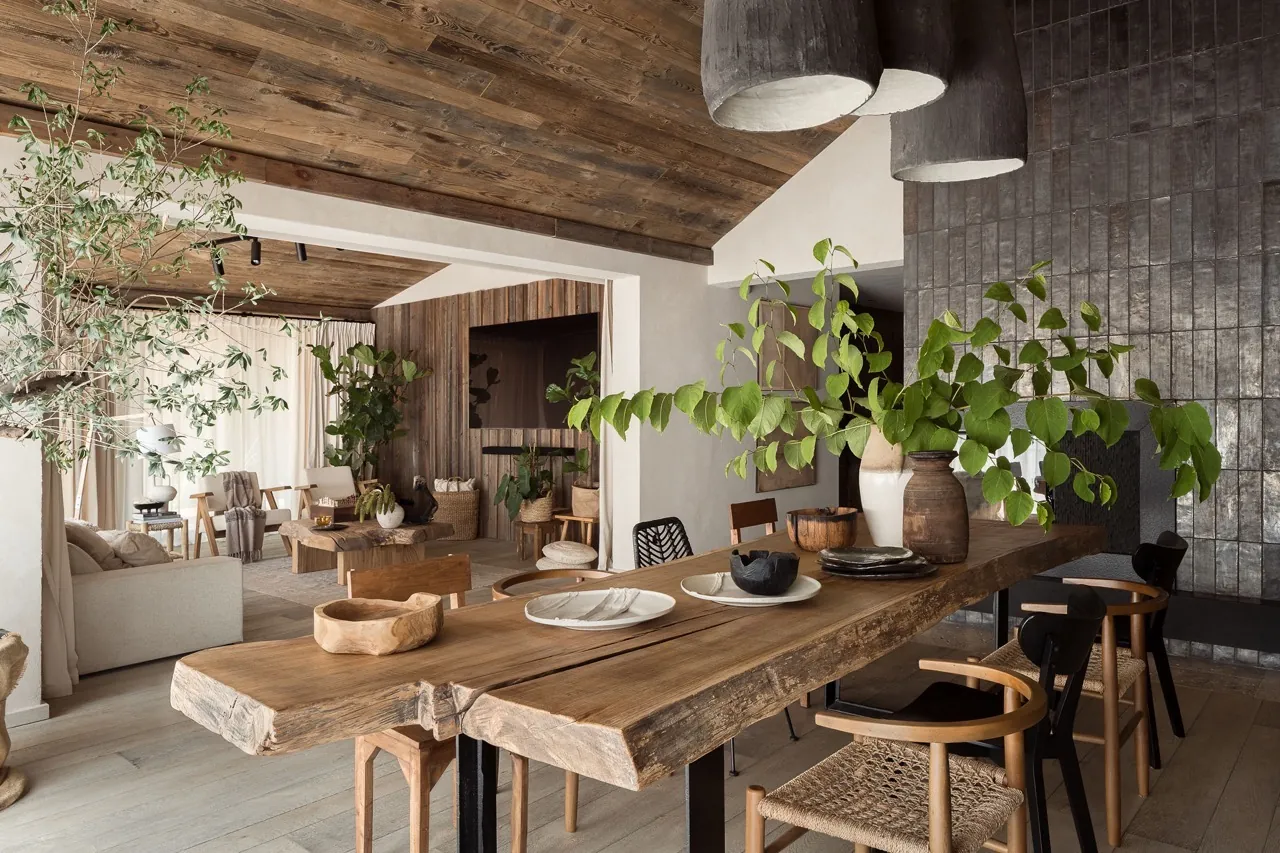

Examples of biophilic living rooms: abundant plants, natural light, wood textures, and views of greenery create immediate calm and restoration.
Proven Psychological Benefits (Backed by Science)
Hundreds of studies, including systematic reviews up to 2025, show consistent results:
- Stress & Anxiety Reduction: Biophilic spaces lower self-reported stress and cortisol. In healthcare, they reduce patient anxiety, pain, and even hospital stays.
- Mood & Emotional Health: Increased vigor, attentiveness, and inspiration; decreased fatigue, depression, and burnout. Workplace studies show improved well-being in open-plan offices with plants or green walls.
- Cognitive Boost: Better focus, memory, and creativity—especially valuable in schools (reduced adolescent stress) and high-pressure jobs.
- Physical Health Ties: Faster healing, better sleep, lower blood pressure. One 2025 hospital review linked biophilic elements to reduced mortality risk and shorter recovery times.
Even virtual or simulated nature (digital walls, large windows) delivers benefits, though real elements are stronger.


Biophilic offices with living green walls dramatically improve employee focus and reduce workplace stress.
Key Biophilic Elements That Trigger These Effects
Designers follow 14 patterns (visual connection to nature, natural light, organic materials, water features, etc.). The most powerful psychologically:
- Visual Nature — Plants, views, patterns mimicking leaves or fractals.
- Natural Light & Air — Circadian rhythms and openness.
- Textures & Materials — Wood, stone, wool for tactile grounding.
- Water & Sound — Fountains or visible movement for calm.
- Multi-Sensory Layers — Combining sight, sound, and touch amplifies restoration.
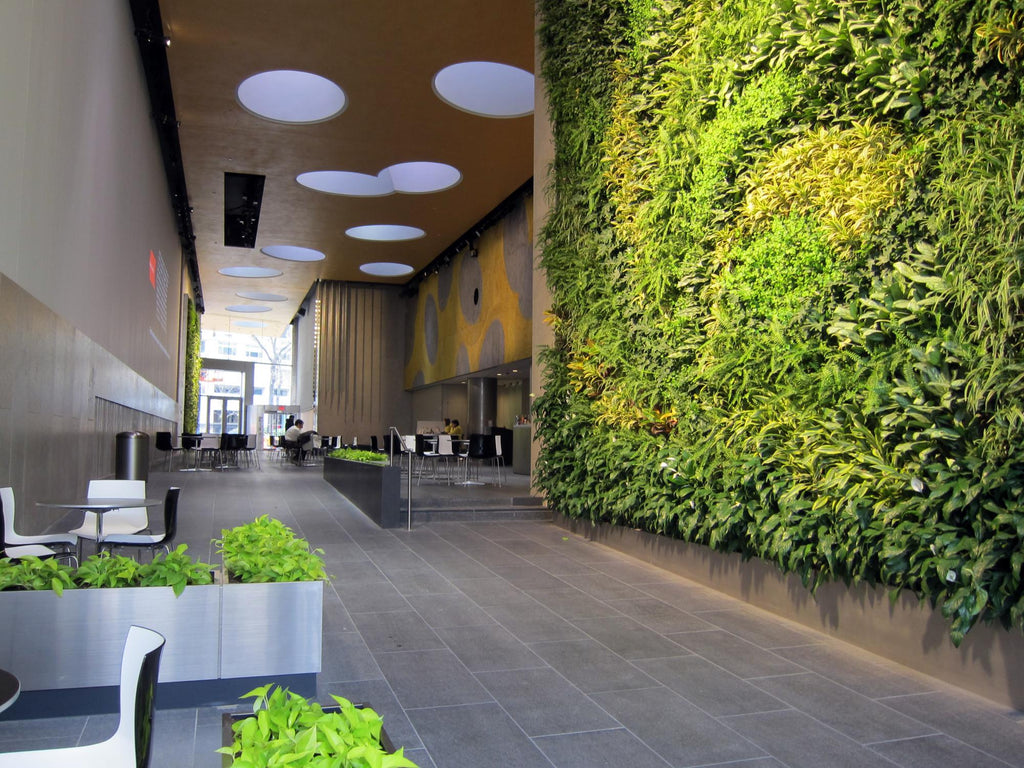

Biophilic healthcare spaces: living walls and nature views speed recovery and ease patient anxiety.
Why It Matters More Than Ever (2026 Context)
Urbanization has disconnected us—yet research from 2024–2025 shows biophilic interventions are one of the most effective, low-cost tools for mental health in homes, offices, schools, and hospitals. From living walls that cut cognitive overload to daylight-optimized rooms that fight burnout, the psychology is clear: nature isn’t decoration. It’s medicine for the modern mind.
In short, biophilic design doesn’t just look beautiful—it rewires how we feel, think, and recover. Start small (a plant cluster + big window view) and the brain responds almost immediately.
Want to dive deeper into applying this in a specific space (home office, bedroom, classroom)? Or explore the 14 patterns with practical tips? Let me know! 🌿

