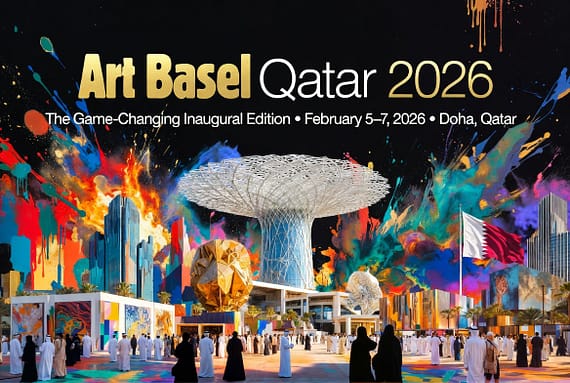
Art Basel Qatar 2026: The Game-Changing Debut That Rewrote the Rules of the Art Fair
Doha, February 2026 — For three intense days (February 5–7, with VIP previews on the 3rd and 4th), the desert heat gave way to something electric: the inaugural edition of Art Basel Qatar. In a region long hungry for its own seat at the global table, Art Basel didn’t just arrive — it reinvented itself.
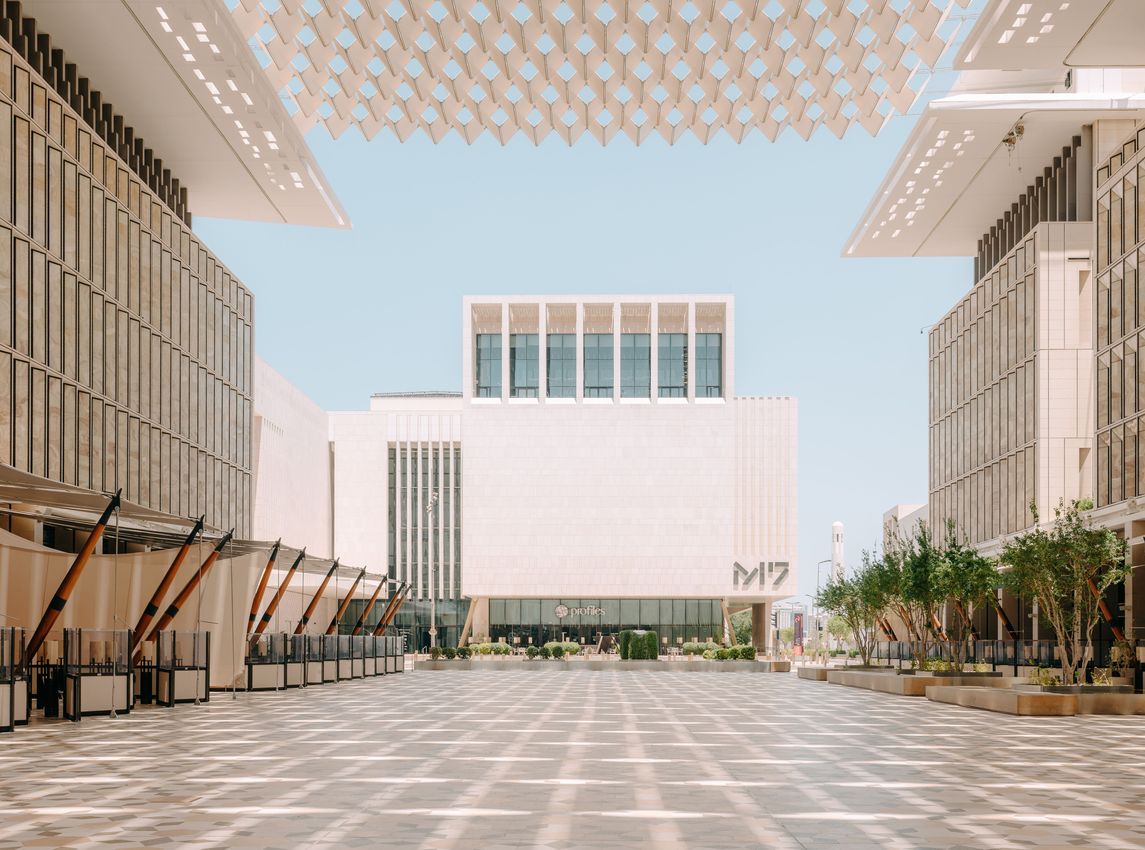
This wasn’t another sprawling, aisle-clogged mega-fair. There were no endless rows of white-cube booths packed with mixed-artist presentations. Instead, 87 galleries from 31 countries presented 84 solo artist projects under the unifying theme “Becoming”, curated by Egyptian artist Wael Shawky as artistic director. The fair spilled across two venues in the heart of Msheireb Downtown Doha: the sleek creative hub M7 and the vibrant Doha Design District. It felt less like a marketplace and more like a thoughtfully edited museum experience — slower, deeper, and deliberately rooted in place.

“This is not your usual art fair,” declared Her Excellency Sheikha Al-Mayassa bint Hamad bin Khalifa Al Thani, Chairperson of Qatar Museums, during the previews. Backed by a long-term partnership with Qatar Sports Investments (QSI) and QC+ (the commercial arm of Qatar Museums), the fair was designed from the ground up as a cultural statement — one that celebrates Qatar’s growing arts ecosystem while connecting it to the wider world.
A New Format for a New Era
Wael Shawky’s vision transformed every presentation into a mini-exhibition. Artists from the Middle East, North Africa, and South Asia (MENASA) made up more than half the lineup, appearing alongside blue-chip international names like Jean-Michel Basquiat, Georg Baselitz, Pablo Picasso, Matthew Wong, Olga de Amaral, and Lina Gazzaz. Galleries reported that visitors actually had time to look at the work — to sit, to talk, to engage.

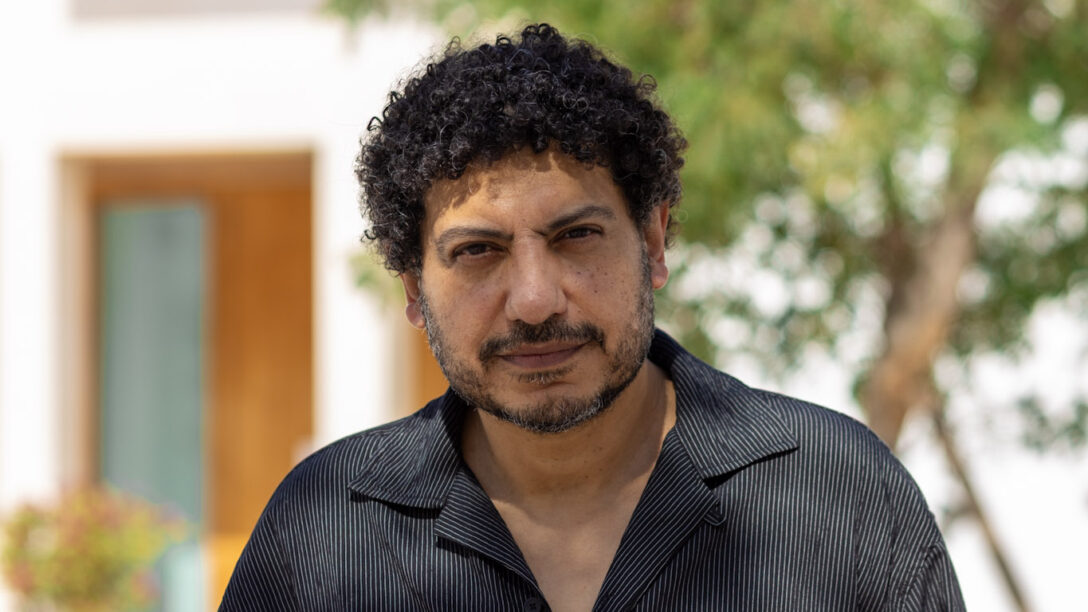
Shawky himself summed it up: the goal was to put artists and context first, not products. The result? A fair where conversations flowed naturally and discoveries felt personal.
The City as Canvas: Special Projects
The fair didn’t stop at the venues. Nine ambitious site-specific Special Projects — large-scale sculptures, installations, and performances — unfolded across public spaces in Msheireb Downtown. From monumental outdoor works to immersive indoor activations, these pieces turned the historic-yet-ultra-modern district into an open-air cultural laboratory.

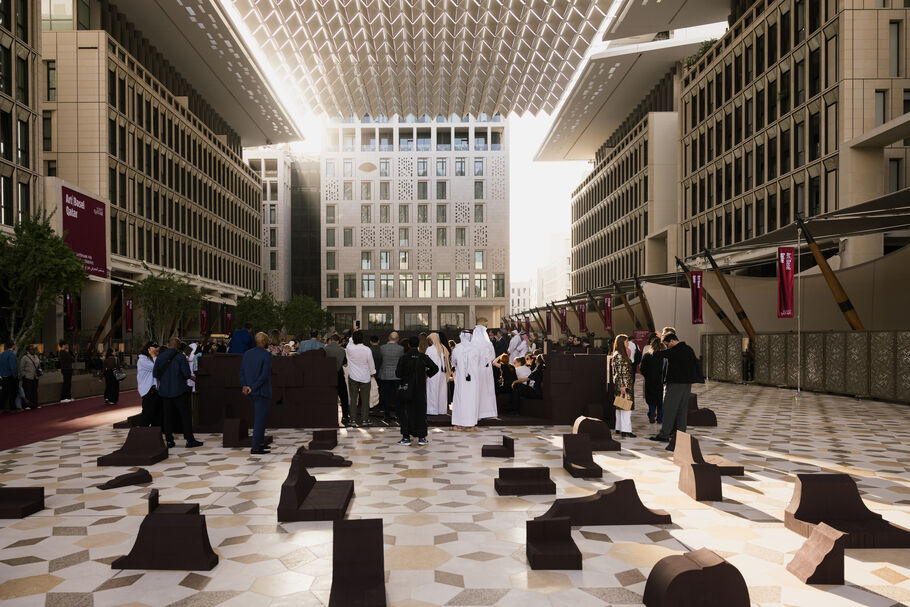
One standout: a striking architectural intervention of dark modular blocks in the main plaza, where visitors (and locals in traditional attire) wandered, sat, and photographed. Another: Jenny Holzer’s poetic projections lighting up the night.
Numbers That Tell the Story
- 17,000+ visitors over the public and VIP days — more than half from Qatar, Saudi Arabia, the UAE, and the broader region.
- Thousands more experienced the free Special Projects.
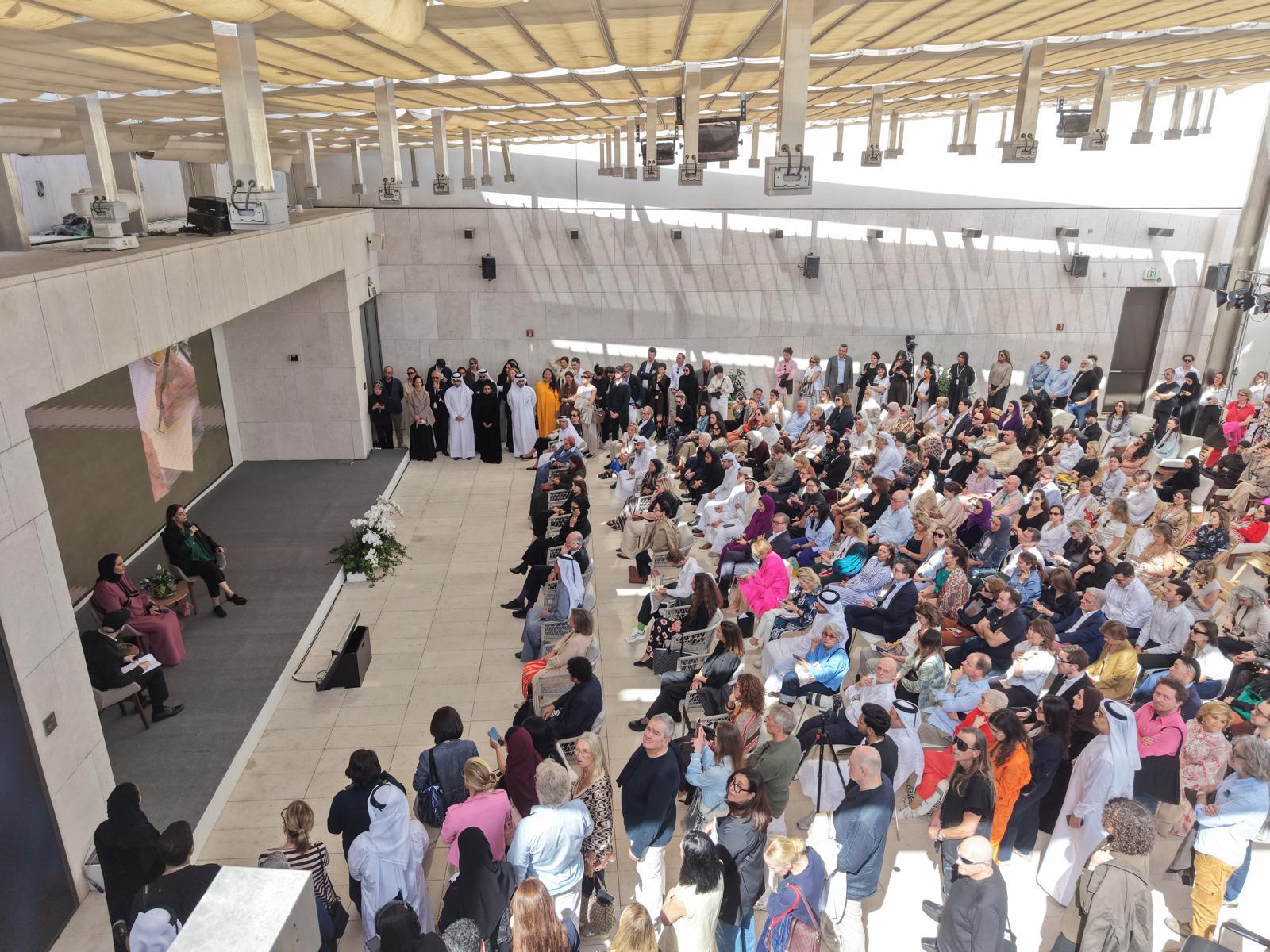
- The Conversations program (co-presented with Qatar Creates Talks) drew record crowds, with sessions featuring Sheikha Al-Mayassa, MoMA Director Glenn Lowry, and architect Sumayya Vally.
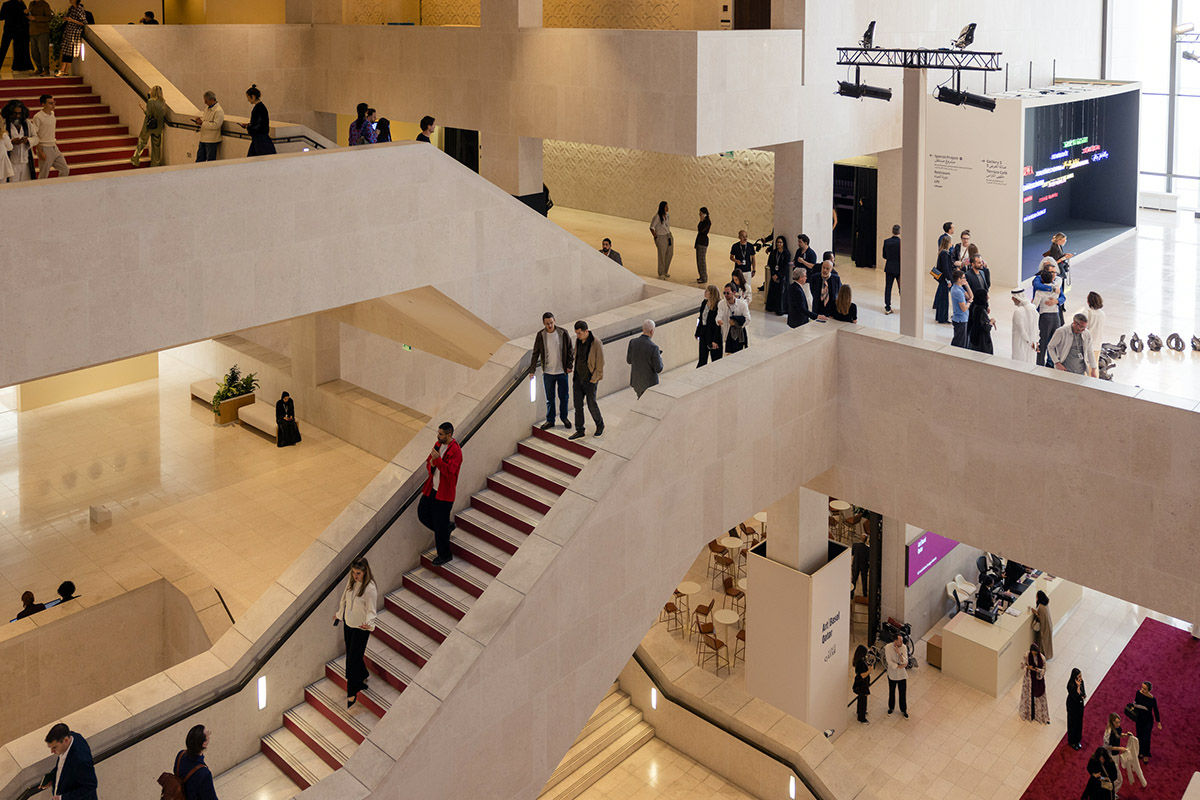
Galleries reported strong sales across all price points, with particular demand for works by MENASA and Global South artists. Notable mentions included multiple seven-figure sales (including Philip Guston paintings from Hauser & Wirth) and solid mid-market transactions. Regional museums and new collectors were especially active. As one dealer put it: “This wasn’t about flipping works — it was about building relationships.”
Standout Moments & Works
Visitors raved about the quality and focus:
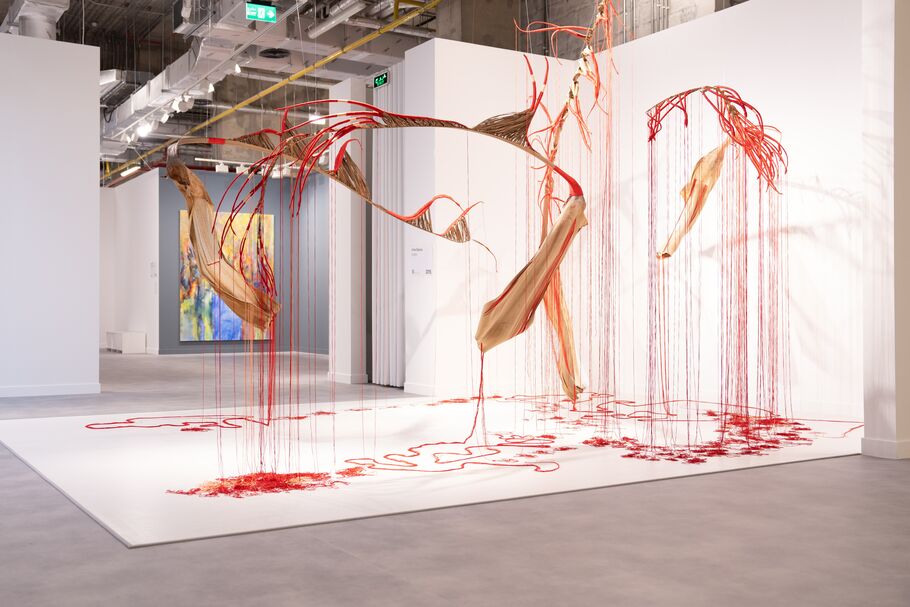
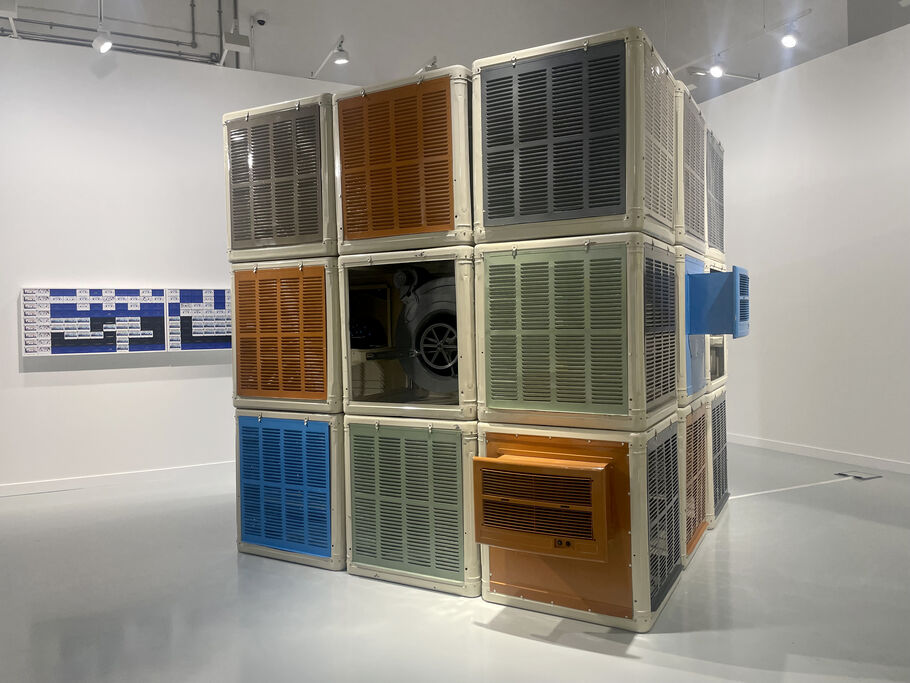
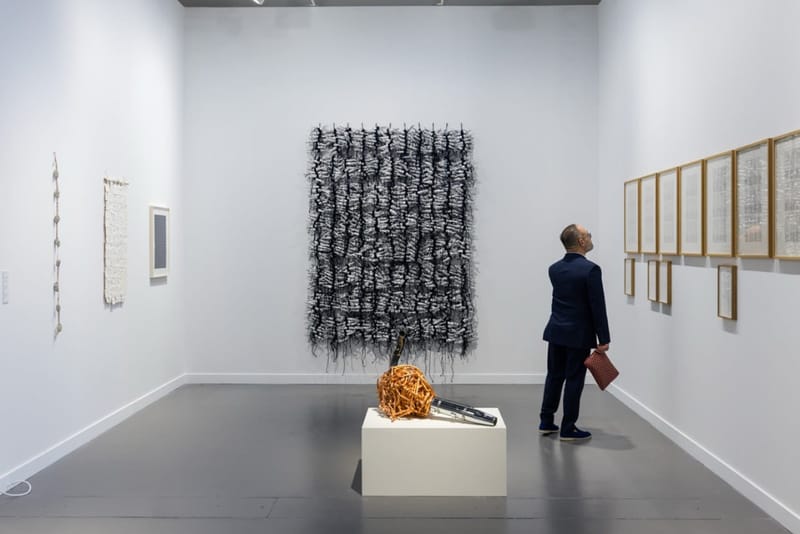
From glowing textile installations and intricate drawings to bold sculptural statements using everyday materials (like stacked air-conditioning units reimagined as monumental cubes), the fair felt fresh, considered, and genuinely exciting.
High-profile attendees included Angelina Jolie, Hans Ulrich Obrist, Patrizia Sandretto Re Rebaudengo, and even David Beckham — a clear sign that Qatar’s cultural moment is resonating far beyond the art world.
Why This Matters
Art Basel Qatar wasn’t just another fair — it was a blueprint. In a time when many Western fairs feel saturated and exhausting, Doha offered something different: intimacy, intellectual depth, and a powerful sense of place. It proved the Gulf isn’t just buying art — it’s helping shape how art is experienced and shared globally.
The long-term vision is even bolder. Plans are already underway for a permanent home on Al Maha island, with the fair set to grow thoughtfully over the coming years.
For collectors, artists, and institutions worldwide, one message is clear: the center of gravity in the art world is shifting — and Doha is now firmly on the map.
Official site & more: Art Basel Qatar Full closing report & highlights Best booths roundup
See you in Doha next year. The future of the art fair just got a whole lot more interesting.
