
Where Food Becomes Rhythm — Daily Practice, Ceremony, and the Architecture of Repetition
Ritual is what turns eating into meaning.
Without ritual, food is consumption. With ritual, it becomes structure. It marks time, signals belonging, and gives shape to ordinary days. If land is origin, fire is transformation, table is gathering, and memory is inheritance, then ritual is continuity in motion.
Ritual is how culture breathes.
Not all rituals are grand. Most are quiet. Morning coffee prepared the same way each day. Bread broken before dinner. A blessing whispered. A market visited every Saturday. These repetitions create stability in lives otherwise shaped by unpredictability.
Food rituals anchor time.
Breakfast begins the day. Lunch interrupts work. Dinner closes the cycle. Weekly meals—Sunday pasta, Friday fish, holiday feasts—become landmarks in the calendar. Seasonal rituals reinforce connection to climate: summer grilling, autumn harvest dinners, winter stews simmering slowly against cold.
Ritual aligns the human body with the rhythm of the earth.
Across religions and cultures, food rituals carry sacred weight. Fasting during Ramadan transforms sunset meals into communal relief and gratitude. Passover seders structure remembrance through symbolic foods. Eucharistic bread and wine embody spiritual covenant. Diwali sweets celebrate light. Lunar New Year dumplings symbolize prosperity.
In these moments, food is language.
Even secular societies retain ritual. Birthday cakes and candles. Wedding banquets. Graduation dinners. These meals do not nourish hunger alone; they mark transition. They define before and after.
Ritual makes milestones tangible.
Anthropologists describe ritual as patterned behavior invested with meaning. In food, that pattern might be as simple as always setting the table fully—even on a weekday—or as complex as multi-course ceremonial feasts prepared over days.
The repetition is not redundancy. It is reinforcement.
Ritual also stabilizes communities during uncertainty. During economic hardship, families may scale down ingredients but preserve ceremony. During crisis, communal meals—whether church suppers, neighborhood potlucks, or relief kitchens—restore cohesion.
Shared food is reassurance.
In contemporary life, speed often erodes ritual. Meals are eaten alone, in transit, or in front of screens. Convenience replaces ceremony. Yet the resurgence of interest in slow food, mindful eating, and communal dining reflects a longing for rhythm.
Ritual resists acceleration.
Cooking itself can be ritual. The chopping of vegetables in sequence. The kneading of dough at a consistent pace. The stirring of sauce without rushing. These acts create meditative space. The body remembers the pattern; the mind quiets.
Design supports ritual.
A kitchen island that encourages gathering. A dining room oriented toward natural light. Outdoor fire pits that invite seasonal meals. Architecture can either facilitate or fragment ritual. Homes designed for flow and gathering reinforce daily ceremony.
Restaurants understand this deeply. Fine dining often relies on ritualized service—courses arriving in sequence, specific glassware, synchronized plating. Casual establishments develop ritual through familiarity—the same order, the same greeting, the same seat.
Ritual builds trust.
Food rituals also encode values. A family that eats together nightly signals priority. A community that shares harvest festivals signals gratitude. A culture that observes fasting signals discipline and reflection.
Ritual teaches patience.
Seasonal foods enforce waiting. You cannot rush ripeness. You cannot accelerate fermentation beyond nature’s tolerance without consequence. These constraints become lessons. Waiting sharpens appreciation.
Even technology now intersects with ritual. Meal-kit subscriptions aim to recreate home-cooking patterns. Calendar reminders prompt grocery shopping. Smart appliances track repetition. Yet digital tools can only scaffold ritual—they cannot substitute for intention.
Because ritual requires awareness.
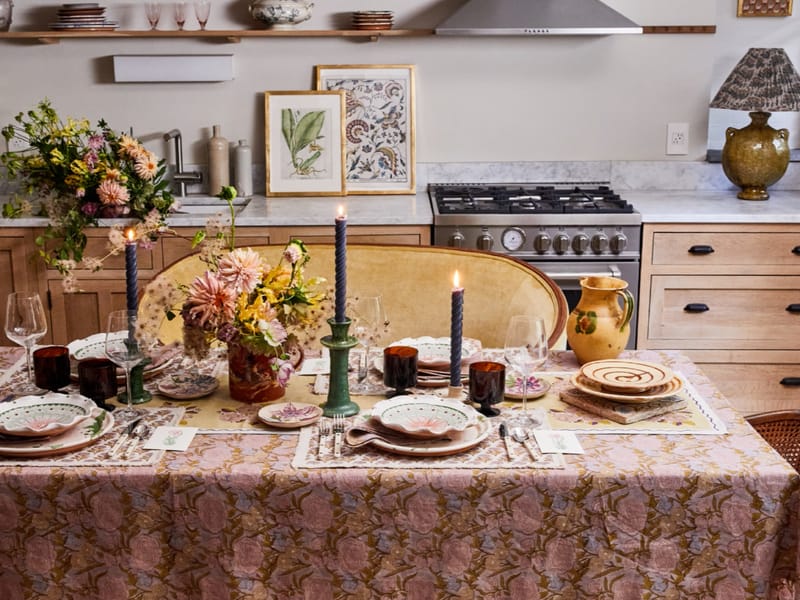
The act of lighting a candle before dinner. Pouring wine with deliberation. Plating food with care, even if alone. These gestures say: this moment matters.
In communal settings, ritual creates equality. Everyone sits. Everyone serves. Everyone pauses. Hierarchies soften. The meal levels the room.
This is why political negotiations often occur over food. Sharing a meal humanizes adversaries. Breaking bread creates shared vulnerability. Ritual dissolves distance.
In urban life, public food rituals shape identity. Food trucks gather weekly. Night markets glow after dark. Farmers markets anchor Saturdays. These predictable patterns create civic rhythm.
Ritual becomes infrastructure.
The sustainability movement also leans into ritual. Composting after meals. Saving scraps for stock. Growing herbs by the window. These small acts, repeated consistently, shift environmental impact. Ritual aligns daily life with long-term stewardship.
Children raised within food rituals inherit stability. They learn not just recipes, but timing. They understand celebration and restraint. They associate gathering with nourishment.
Ritual protects culture from dilution.
Yet ritual must remain flexible. As families migrate, rituals adapt. Ingredients change. Schedules shift. Dietary needs evolve. The spirit of the practice survives, even if the form adjusts.
This flexibility keeps ritual alive rather than fossilized.
Food rituals can be intensely personal. The midnight snack eaten in solitude. The quiet breakfast before dawn. The weekly phone call during dinner with distant family. Not all rituals are communal; some are intimate anchors.
Repetition breeds meaning.
The future of food must account for ritual as much as innovation. Technological advancement cannot replace the need for ceremony. Efficiency cannot replace pause. Sustainable systems must integrate with lived rhythms.
Land provides the ingredients.
Fire transforms them.
Table gathers them.
Memory preserves them.
Ritual returns us to them, again and again.
In a fragmented world, ritual is coherence.
It reminds us that nourishment is not merely caloric. It is relational. It is temporal. It is structured.
To eat without ritual is to survive.
To eat with ritual is to belong.
And belonging, like food itself, must be prepared daily.
