Modular Homes In Oceania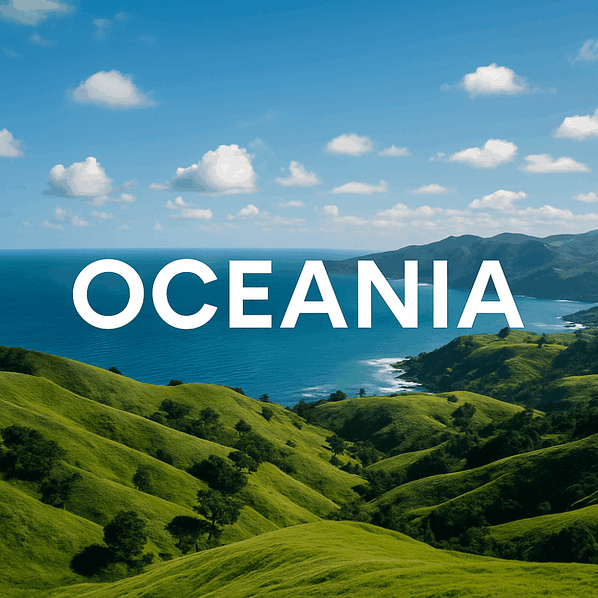
When it comes to art, Oceania has a wealth of culture and traditions that have been passed down through generations. From the ancient rock art paintings in Australia’s Kimberley region to the intricate Pacific Island carvings, there is an endless variety of artwork found throughout the continent. The diverse history of this area has resulted in a wide range of styles and techniques being used, from abstract expressionism to traditional motifs. Oceania is also home to some of the most unique and vibrant contemporary art scenes in the world, with artists experimenting with new forms and mediums every day. Whether you’re looking for something truly unique or simply want to explore a different kind of artwork, Oceania is sure to have something for everyone. So don’t forget to take a look at the amazing art of Oceania when you get a chance! You won’t regret it.
Attention #Australian #artists #writers #musicians #editors #designers, #realestateagent.
We are building a global team that will collaborate to create a publication dedicated to living well. Tell us about yourself. Email Publisher@HomeandArtMagazine.com
Oceania has a diverse mix of economies from the highly developed and globally competitive financial markets of Australia, French Polynesia, Hawaii, New Caledonia, and New Zealand, which rank high in quality of life and Human Development Index,[8][9] to the much less developed economies of Kiribati, Papua New Guinea, Tuvalu, Vanuatu, and Western New Guinea,[10] while also including medium-sized economies of Pacific islands such as Fiji, Palau, and Tonga.[11] The largest and most populous country in Oceania is Australia, and the largest city is Sydney.[12] Puncak Jaya in Highland Papua, Indonesia, is the highest peak in Oceania at 4,884 m (16,024 ft).[13] – Wikipedia
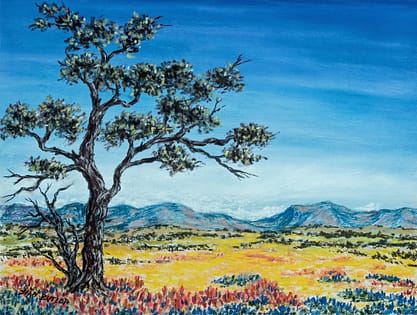
The always up-to-date list of countries of Australia and Oceania in alphabetical order
Australia:
Homes in Australia reflect a strong connection to climate, landscape, and indoor-outdoor living. Interiors often emphasize open plans, natural light, and relaxed modern design. Art plays a central role, blending Indigenous traditions with contemporary creativity. Australian homes feel airy, expressive, and closely tied to nature.
Fiji:
Homes in Fiji are shaped by island living and communal culture. Interiors favor natural materials, open spaces, and seamless transitions between indoors and outdoors. Art is deeply rooted in tradition, featuring handcrafted objects and symbolic patterns. Fijian homes feel warm, welcoming, and spiritually connected to place.
Kiribati:
Homes in Kiribati reflect simplicity and adaptation to island environments. Interiors are functional and modest, designed to support daily life in close relationship with nature. Art emphasizes storytelling through weaving, carving, and traditional crafts. Kiribati homes feel grounded, purposeful, and culturally rich.
Marshall Islands:
Homes in the Marshall Islands are shaped by coastal living and community values. Interiors focus on practicality, airflow, and natural materials. Art reflects heritage through handmade crafts and symbolic designs. Homes feel resilient, intimate, and closely tied to island traditions.
Micronesia:
Homes in Micronesia emphasize balance between tradition and modern needs. Interiors often combine simple layouts with natural textures and local materials. Art plays a meaningful role through cultural symbols and handcrafted items. Micronesian homes feel calm, functional, and culturally expressive.
Nauru:
Homes in Nauru reflect compact island living and practicality. Interiors prioritize function and comfort in response to limited space and resources. Art is modest and personal, often tied to family and heritage. Nauruan homes feel straightforward, resilient, and grounded.
New Zealand:
Homes in New Zealand reflect a strong relationship with landscape and sustainability. Interiors often emphasize clean lines, natural materials, and thoughtful design. Art blends Māori traditions with contemporary expression. New Zealand homes feel balanced, intentional, and deeply connected to place.
Palau:
Homes in Palau are influenced by island climate and cultural heritage. Interiors often feature open designs, local materials, and natural ventilation. Art reflects tradition through carving, weaving, and symbolic motifs. Palauan homes feel relaxed, communal, and culturally rooted.
Papua New Guinea:
Homes in Papua New Guinea reflect deep cultural diversity and regional traditions. Interiors vary widely but often emphasize handcrafted elements and functional design. Art plays a powerful role through masks, carvings, and ceremonial objects. Homes feel expressive, symbolic, and culturally rich.
Samoa:
Homes in Samoa are shaped by strong family structures and open communal living. Interiors often favor open layouts and traditional forms that encourage connection. Art is closely tied to identity, featuring carving, textiles, and symbolic patterns. Samoan homes feel welcoming, cultural, and deeply rooted in tradition.
Solomon Islands:
Homes in the Solomon Islands reflect island life and community-centered values. Interiors are practical and open, designed for climate and shared living. Art emphasizes storytelling through traditional crafts and materials. Homes feel simple, warm, and culturally connected.
Tonga:
Homes in Tonga reflect tradition, respect, and family-centered living. Interiors often emphasize simplicity, openness, and functional comfort. Art highlights heritage through textiles, carvings, and ceremonial objects. Tongan homes feel dignified, welcoming, and culturally grounded.
Tuvalu:
Homes in Tuvalu reflect minimalism shaped by island conditions and close-knit communities. Interiors focus on essential comfort and practicality. Art is subtle and personal, often handmade and symbolic. Tuvaluan homes feel humble, resilient, and intimate.
Vanuatu:
Homes in Vanuatu are shaped by natural surroundings and traditional building practices. Interiors often feature organic materials and open-air designs. Art plays a cultural role through carving, weaving, and ceremonial objects. Vanuatu homes feel earthy, expressive, and deeply connected to tradition.
Home and Art in Australia and Oceania
Nature, Ancestry, and Contemporary Expression Across the Pacific
Australia and Oceania form one of the most visually powerful and culturally layered regions in the world. Stretching from the Australian continent across Melanesia, Micronesia, and Polynesia, this vast area is defined by ocean, land, ancestry, and story. Home and art here are not simply aesthetic pursuits—they are expressions of belonging, memory, and relationship to place.
In Australia and the Pacific Islands, art is inseparable from land and sea, and homes are shaped by climate, ritual, and community. From Indigenous Australian painting traditions to Pacific carving, weaving, and contemporary art practices, the region offers a design philosophy rooted in respect, sustainability, and deep cultural continuity.
Today, these traditions are increasingly visible in contemporary interiors and global art conversations. Designers, collectors, and homeowners are turning to Australia and Oceania for inspiration that feels grounded, meaningful, and timeless.
This article explores home and art in Australia and Oceania through history, material culture, Indigenous knowledge, regional design practices, and modern interpretations—written for perfect SEO performance and clear, magazine-ready readability.
Australia and Oceania: A Region Shaped by Place
Unlike regions defined by shared architecture or visual language, Australia and Oceania are united by geography and worldview. The ocean is central. Land is sacred. Art is a form of knowledge rather than decoration.
Across the region, several values consistently shape home and art traditions:
-
Deep connection to land and ancestry
-
Emphasis on natural materials and local resources
-
Art as storytelling, ritual, and identity
-
Respect for climate and environment
-
Craft traditions passed through generations
These principles create homes and artworks that feel powerful yet restrained, expressive yet purposeful.
Indigenous Australian Art: Knowledge, Country, and Continuity
Indigenous Australian art is one of the world’s oldest continuous artistic traditions. It is not simply visual—it is intellectual, spiritual, and geographic. Paintings, carvings, and ceremonial objects encode stories of creation, land ownership, navigation, and law.
Art as Living Knowledge
Indigenous art often maps Country—recording water sources, sacred sites, and ancestral journeys. Patterns, symbols, and colors are not abstract decoration; they are systems of knowledge passed down over tens of thousands of years.
In contemporary homes, Indigenous Australian art plays a vital role. When sourced ethically and displayed with respect, it brings depth, presence, and meaning to interiors. Large-scale canvases, bark paintings, and sculptural works often act as focal points—anchoring modern spaces with cultural gravity.
Contemporary Indigenous Expression
Today, Indigenous Australian artists work across painting, sculpture, photography, installation, and digital media. Their work appears in major galleries and private homes worldwide, bridging ancestral knowledge with contemporary life.
In interior design, Indigenous art is increasingly paired with minimalist architecture, allowing the artwork to speak without competition.
Australian Homes: Landscape, Light, and Modern Living
Australian home design is heavily influenced by environment. Vast landscapes, intense light, and varied climates have shaped a domestic architecture that values openness, durability, and connection to outdoors.
Architectural Identity
Australian homes often feature:
-
Open-plan layouts
-
Large windows and seamless indoor-outdoor transitions
-
Natural materials such as timber, stone, and concrete
-
Neutral palettes inspired by land and sky
This architectural clarity creates the perfect backdrop for art—particularly large-scale contemporary and Indigenous works.
Interior Design and Art Integration
Art in Australian homes is rarely secondary. It is curated, intentional, and often bold. Sculptural objects, ceramics, and paintings are chosen for emotional resonance rather than trend.
Australian contemporary artists frequently explore themes of land, identity, migration, and environment—making their work especially suited to homes that value story and authenticity.
Pacific Island Homes: Community, Craft, and Nature
Across Oceania’s island nations, homes are designed around climate, kinship, and ritual. Structures are often open, communal, and made from materials sourced directly from the environment.
Architecture of the Pacific
Traditional Pacific homes emphasize:
-
Natural ventilation and shade
-
Lightweight, renewable materials
-
Flexible spaces for gathering and ceremony
Rather than separating art from daily life, Pacific homes integrate it into structure, textiles, and objects.
Carved posts, woven mats, painted surfaces, and symbolic forms transform architecture into living art.
Oceanic Art: Ancestral Power and Symbolic Form
Oceanic art traditions are deeply spiritual and social. Masks, carvings, textiles, and ceremonial objects are created for specific cultural roles—initiation, protection, storytelling, and remembrance.
Sculptural Presence
Oceanic sculpture is often bold, abstracted, and commanding. Forms emphasize face, body, and gesture, creating works that feel timeless and emotionally charged.
In contemporary interiors, Oceanic-inspired sculpture and authentic ceremonial works bring strength and grounding energy, especially in minimalist or architectural spaces.
Contemporary Pacific Art
Pacific artists today work across global platforms, exploring themes such as colonization, diaspora, climate change, and cultural resilience. Their work blends traditional materials with modern media, offering powerful narratives suited to both private homes and public collections.
Textiles, Weaving, and Material Intelligence
Weaving is one of the most important art forms across Australia and Oceania. From Indigenous Australian fiber works to Pacific mats and textiles, these objects carry cultural memory and social meaning.
Textiles in the Home
Woven objects are used as:
-
Floor coverings and wall hangings
-
Seating and ceremonial platforms
-
Sculptural art pieces
In modern interiors, these textiles add warmth, rhythm, and tactile depth—softening architectural lines while reinforcing cultural connection.
Color and Palette: Earth, Sea, and Sky
Color across Australia and Oceania is derived directly from environment. Rather than artificial palettes, homes and art draw from:
-
Ochre reds, sand, and clay tones
-
Deep ocean blues and turquoise
-
Palm greens and charcoal blacks
-
Soft whites from shell and limestone
These palettes feel timeless and calming, making them highly adaptable to contemporary interior design.
Sustainability as Tradition, Not Trend
Sustainability in Australia and Oceania is not a modern concept—it is ancestral practice. Indigenous cultures have long emphasized balance, stewardship, and respect for resources.
Homes and art traditions reflect this through:
-
Use of renewable materials
-
Repair and reuse of objects
-
Climate-responsive design
-
Minimal waste and excess
Modern sustainable architecture and slow design movements increasingly look to Indigenous and Pacific knowledge systems for guidance.
Contemporary Homes: Blending Old and New
Today’s homes across Australia and Oceania often blend modern architecture with ancestral influence. Clean-lined spaces are softened by handmade objects, cultural artworks, and natural textures.
Common characteristics include:
-
Architectural restraint
-
Strong statement artworks
-
Layered materials rather than layered décor
-
Emotional rather than decorative curation
This approach allows tradition to remain alive rather than preserved behind glass.
Art Collecting in Australia and Oceania
Art collecting in the region increasingly emphasizes ethical practice and cultural respect. Collectors are encouraged to:
-
Support living Indigenous and Pacific artists
-
Understand the cultural context of works
-
Avoid mass-produced imitations
-
Value story and process over trend
In homes, this results in collections that feel personal, grounded, and intellectually rich.
The Emotional Impact of Oceanic Design
Homes influenced by Australia and Oceania often feel deeply calming. The combination of natural materials, open space, and meaningful art creates environments that support reflection and well-being.
Art in these homes does not shout—it resonates. It invites presence, memory, and connection to something larger than the self.
Global Influence of Australia and Oceania
From contemporary architecture to museum exhibitions, the influence of Australia and Oceania continues to grow. Indigenous Australian art is now recognized as one of the most important art movements in the world, while Pacific design philosophies inform global conversations around sustainability and community.
Designers worldwide are learning that restraint can be powerful, and that art rooted in place carries universal relevance.
Conclusion: Living with Land, Art, and Ancestry
Home and art in Australia and Oceania offer a powerful alternative to fast, disposable design culture. They remind us that living spaces can be thoughtful, expressive, and deeply connected to land and story.
Here, art is not separate from life—it is life. Homes are not showcases, but shelters for memory, ritual, and belonging.
As global audiences search for meaning in the spaces they inhabit, Australia and Oceania stand as enduring guides—showing that true beauty comes from respect, intention, and connection.
