
Harmonizing Heritage: How Music Shapes Culture, Homes, and the Art of Inspired Living
In the quiet rhythm of everyday life, music arrives unannounced. A vinyl crackle fills a sun-drenched kitchen in a Connecticut farmhouse; a playlist of gentle lo-fi drifts through a minimalist loft in Manhattan; the distant strum of a guitar echoes across a Mediterranean terrace at dusk. These are not mere background sounds. They are the living pulse of culture itself—threads that weave personal identity, communal memory, and artistic expression into the very walls we call home.
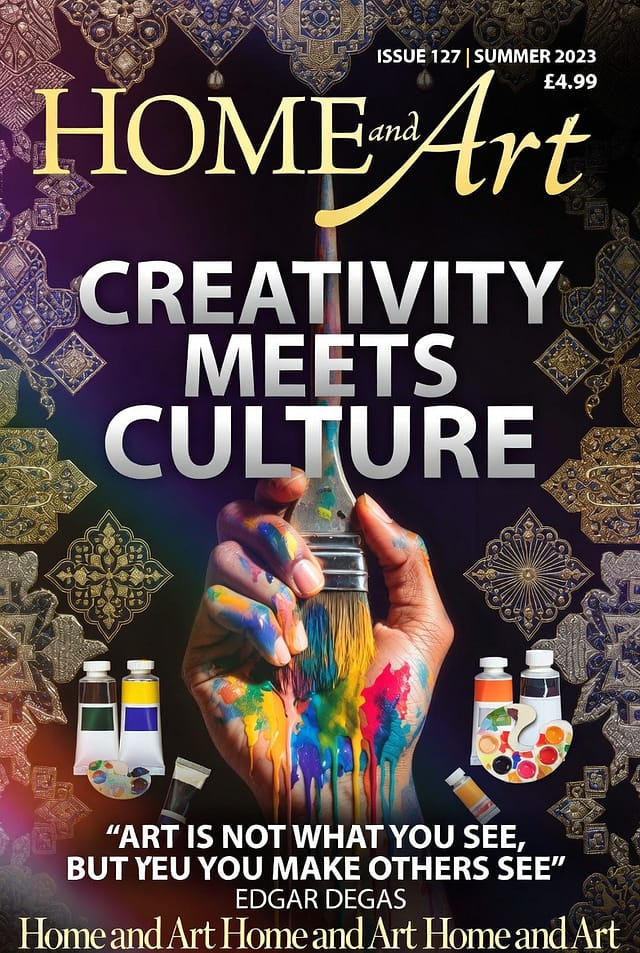
At Home & Art Magazine, we celebrate spaces where beauty, function, and meaning converge. Music belongs at the heart of that convergence. It is not decoration; it is architecture of the soul. It reflects the cultures that birth it, reshapes the societies that embrace it, and transforms ordinary rooms into sanctuaries of connection. Across 1500 years of recorded human history and countless unrecorded ones, music has served as both mirror and map: revealing who we are while guiding who we might become. In today’s world of streaming algorithms and global playlists, its power remains undiminished—perhaps even amplified—as we seek deeper roots in our increasingly digital lives.
Music as Cultural DNA: A Mirror Across Millennia
Culture and music have always been inseparable, each feeding the other in an eternal duet. Ancient Greeks understood this instinctively. Plato warned in The Republic that “the modes of music are never disturbed without unsettling the most fundamental political and social conventions,” while Aristotle saw music as essential to moral education, capable of shaping character and fostering virtue. In Greek homes, the lyre accompanied symposiums where philosophy, poetry, and politics intertwined—music literally setting the tone for civilized discourse.
Travel eastward and the pattern repeats. In traditional Japanese homes, the delicate tones of the koto or shakuhachi flute once marked seasonal transitions and family rituals, embedding Zen principles of impermanence and mindfulness into daily soundscapes. Across West Africa, polyrhythmic drumming carried oral histories, genealogies, and spiritual wisdom through villages long before written language arrived. Enslaved Africans carried these rhythms across the Atlantic, where they bloomed into the blues, jazz, gospel, and eventually rock ‘n’ roll—genres that would redefine American culture and ripple outward to influence the world.
Consider the civil rights era in the United States. Songs like “We Shall Overcome,” adapted from Black church traditions, and Billie Holiday’s haunting “Strange Fruit” did more than entertain; they educated, mobilized, and humanized. They turned living rooms, church basements, and front porches into stages of resistance. Bob Dylan’s “Blowin’ in the Wind” and Aretha Franklin’s “Respect” became anthems that crossed racial lines, proving music’s unique ability to bypass intellectual defenses and speak directly to the heart. As historian Bernice Johnson Reagon noted, freedom songs were “the mortar that held the movement together.”
Today, that same reciprocal relationship continues. K-pop’s meticulously choreographed performances and fan-driven global communities export Korean cultural values of discipline, respect, and collective joy to teenagers in suburban America and beyond. Reggae’s offbeat rhythms still carry messages of social justice from Jamaica to every corner of the planet. Hip-hop, born in the Bronx in the 1970s as a voice for marginalized youth, now dominates global charts while preserving its role as cultural commentary—from Kendrick Lamar’s introspective narratives to the protest anthems of today’s activists.
Music does not merely reflect culture; it actively constructs it. It codifies values, challenges norms, and preserves memory when history books fall silent. In every era, the soundtrack of a people reveals their deepest aspirations and wounds.
The Home as Resonance Chamber
Nowhere is this cultural symphony more intimate than within our homes. The modern dwelling—whether a restored Victorian in Torrington, a sleek urban apartment, or a light-filled minimalist retreat—has evolved from mere shelter into a stage for personal and cultural expression. Music transforms these spaces from static environments into dynamic, breathing extensions of identity.
Interior designers increasingly speak of “sonic architecture.” Acoustic panels disguised as sculptural art, hidden speaker systems that disappear into ceilings, and dedicated listening nooks furnished with Eames loungers and vintage turntables have become signatures of thoughtful design. In Japan, the tokonoma alcove might display a cherished shamisen alongside seasonal scrolls; in Scandinavia, hygge finds its auditory counterpart in crackling fire playlists paired with wool throws and candlelight.
Your music taste quietly dictates your ideal home aesthetic. Lovers of expansive orchestral scores often gravitate toward high-ceilinged rooms with natural reverb—lofts with exposed beams that let Mahler or Arvo Pärt soar. Indie folk enthusiasts curate cozy, layered spaces filled with textiles, houseplants, and warm wood tones that echo the organic warmth of an acoustic guitar. Electronic music aficionados embrace clean lines, LED ambient lighting, and modular furniture that can transform for impromptu dance floors.
Smart home technology has only deepened this integration. Voice-controlled systems let families curate “morning energy” playlists or “evening unwind” soundscapes tailored to circadian rhythms. Yet the most meaningful moments remain analog: grandparents teaching grandchildren folk songs on a weathered piano, or neighbors gathering for an unplugged porch session that turns a suburban cul-de-sac into a temporary village square.
In our magazine’s recent exploration of “Home, Art, Music, Food = Community,” we witnessed how shared meals accompanied by spontaneous music dissolve generational barriers. A guitar passed hand-to-hand, a child learning basic chords from an elder—these small rituals rebuild the social fabric frayed by modern isolation. Music becomes the invisible architecture that turns houses into homes and homes into communities.
Where Art and Sound Collide
The dialogue between music and visual art has produced some of culture’s most enduring treasures. Album covers are miniature galleries: Andy Warhol’s banana for The Velvet Underground, Storm Thorgerson’s surreal landscapes for Pink Floyd, or the raw photographic intimacy of Kendrick Lamar’s Mr. Morale & the Big Steppers sleeve. Music videos have become cinematic short films that double as interior design manifestos—think Bad Bunny recreating his Puerto Rican casita as both stage and cultural statement, or Clairo’s tour sets evoking lived-in living rooms complete with Noguchi lamps and soft textiles.
Contemporary artists frequently draw inspiration from sonic worlds. Julie Mehretu’s monumental paintings pulse with the energy of free jazz. Olafur Eliasson’s installations manipulate light and sound to create immersive experiences that blur the boundary between viewer and participant. In homes, collectors display limited-edition prints alongside carefully shelved records, turning listening into a multisensory ritual.
Even architecture itself borrows musical principles. Frank Gehry has spoken of designing buildings with the same intuitive flow he experiences playing the accordion. The Sydney Opera House’s sail-like forms echo the harmonic progressions of the performances within. Closer to home, mid-century modernists like Eero Saarinen created spaces whose proportions and acoustics feel composed rather than constructed.
The Future Sound of Culture
As we move deeper into the 21st century, music’s cultural role grows more complex and more essential. Streaming has democratized access while challenging traditional gatekeepers; algorithms can both broaden horizons and trap us in echo chambers. Artificial intelligence composes new works, raising questions about authenticity and creativity. Yet live music experiences—from intimate house concerts to massive festivals—continue to remind us of music’s irreplaceable power to gather bodies in shared space and time.
Climate-conscious designers now incorporate sustainable materials that also enhance acoustics. Global fusion genres celebrate hybrid identities, mirroring the multicultural homes many of us inhabit. And in an era of digital fatigue, more people are deliberately curating “unplugged” zones where analog turntables and acoustic instruments reclaim center stage.
Your Personal Score
The invitation is simple yet profound: treat music as seriously as you treat color palettes, furniture selections, or lighting schemes. Ask yourself: What soundtrack best expresses the life I want to live here? Which cultural voices do I wish to welcome across my threshold? How can sound help this space tell the story of who we are—as individuals, as families, as citizens of a larger world?
Begin small. Create a dedicated listening corner with your favorite chair and a carefully chosen record collection. Host a monthly “sound supper” where guests bring a dish and a song that tells their story. Frame a cherished concert poster alongside family photographs. Let music leak naturally through open doors and windows, turning private sanctuaries into generous invitations to connection.
Because ultimately, culture is not something we observe from afar. It is something we inhabit, shape, and pass forward. Music gives us the score; our homes become the concert hall; our lives become the performance. In the words of Berthold Auerbach, “Music washes away from the soul the dust of everyday life.” In the artful homes we cherish and create, may that cleansing, elevating, uniting melody play on—forever.
