
Music Genres: Exploring Sound and Style in Home and Art Spaces
Music has always been more than sound—it’s an expression of culture, emotion, and identity. In the context of home and art, music not only influences ambiance but also shapes the way we experience spaces. Different music genres carry distinct moods and energy, which can transform rooms, inspire creativity, and even impact our daily lives. From classical to electronic, jazz to indie, understanding music genres can help homeowners and art enthusiasts create environments that resonate with their personalities and artistic tastes.
Classical Music: Elegance and Focus
Classical music, encompassing composers like Ludwig van Beethoven and Johann Sebastian Bach, offers a timeless and sophisticated backdrop. Its structured harmonies and melodic depth make it ideal for study rooms, libraries, or art studios. Classical music encourages focus and calm, creating spaces where contemplation and creativity flourish. For art enthusiasts, pairing classical music with traditional painting or sculpture enhances both concentration and appreciation of nuanced details.
Jazz: Improvisation and Atmosphere
Jazz is synonymous with improvisation, rhythm, and soul. From Miles Davis to Ella Fitzgerald, jazz adds warmth and spontaneity to any environment. In living rooms or lounges, jazz encourages social interaction and relaxation, making it perfect for entertaining guests or enjoying a quiet evening. The genre’s diversity—from smooth jazz to bebop—offers a palette of moods that can complement both contemporary and classic home decor.
Rock and Alternative: Energy and Edge
Rock music, with its driving beats and rebellious spirit, energizes spaces like home gyms, studios, or creative workshops. Bands like The Beatles and Nirvana demonstrate how rock can evoke nostalgia, intensity, and movement. Alternative music brings experimental sounds and personal expression, making it ideal for bedrooms or private corners where individuality is celebrated. Using rock and alternative music strategically can transform a home into a dynamic environment that sparks motivation and creativity.
Electronic and Ambient: Modern Calm and Focus
Electronic genres, from ambient to synthwave, are increasingly popular in modern interiors. Artists like Brian Eno craft immersive soundscapes that suit minimalist homes, meditation spaces, or digital art studios. Electronic music can serve as both background for concentration and a mood enhancer for social gatherings. Its versatility allows homeowners to create atmospheres ranging from energetic parties to serene relaxation zones.
Folk and World Music: Storytelling and Connection
Folk and world music celebrate tradition, culture, and storytelling. Whether it’s the acoustic tones of American folk or the rhythms of African percussion, these genres bring warmth and authenticity to kitchens, dining rooms, or communal spaces. They foster a sense of connection to global cultures and can inspire artistic projects, from painting to interior design.
Conclusion
Integrating music genres into your home is more than an aesthetic choice—it’s a lifestyle decision. By selecting genres that resonate with your taste and the function of each space, you can craft environments that enhance creativity, comfort, and emotional well-being. Music and art share a common language, and when harmonized thoughtfully, they transform homes into immersive, expressive, and unforgettable spaces.
Genre Harmony: How Music Genres Weave Culture, Identity, and Inspired Living into Our Homes
Music genres are far more than labels on playlists or streaming categories. They are living cultural blueprints—sonic signatures that encode history, rebellion, joy, sorrow, and community. From the syncopated pulse of jazz born in New Orleans speakeasies to the digital drops of electronic music pulsing through Berlin warehouses, each genre carries the DNA of its time and place. At Home & Art Magazine, we explore how these genres don’t just fill our ears but shape the very spaces we inhabit. A genre’s rhythm influences room flow, its mood dictates lighting and color palettes, and its cultural roots turn ordinary homes into personal museums of meaning.
In an era when algorithms blur boundaries faster than ever, understanding music genres helps us reclaim intentionality. Whether you’re curating a listening nook in a restored Connecticut colonial or designing an open-plan loft in the city, your favorite genres become silent collaborators in the art of home-making. They bridge the personal and the collective, turning walls into storytellers and daily life into a continuous concert.
The Roots: Genres as Cultural Time Capsules
Every major genre begins as a conversation between cultures, often at moments of social upheaval or migration. Classical music, with its intricate symphonies and chamber works, emerged from European courts and cathedrals between the 17th and 19th centuries. Composers like Bach, Mozart, and Beethoven created enduring structures—sonata form, counterpoint—that mirrored the ordered elegance of Enlightenment society. In homes today, classical enthusiasts often gravitate toward grand pianos in sunlit conservatories or minimalist listening rooms where high ceilings amplify natural reverb, echoing the architectural grandeur of European concert halls.
Jazz, born in the early 20th century from African American communities in New Orleans, fused African rhythms, blues, ragtime, and European harmony. Its improvisational spirit captured the energy of a rapidly urbanizing America. Icons like Louis Armstrong and Duke Ellington turned brass and woodwinds into voices of resilience and celebration. Jazz homes feel improvisational too: layered textiles, mismatched vintage furniture, warm amber lighting, and plenty of open space for spontaneous movement. Think mid-century modern pieces paired with abstract art—spaces that breathe and swing.
Blues, jazz’s raw predecessor, arose from the Mississippi Delta in the late 19th century, carrying the weight of slavery, sharecropping, and migration. Muddy Waters and Bessie Smith gave voice to heartbreak and defiance through bent notes and call-and-response. Blues-inspired interiors favor earthy tones—deep indigos, weathered woods, exposed brick—and intimate, dimly lit corners perfect for late-night reflection. A well-worn leather armchair beside a turntable becomes a confessional booth.
Rock ‘n’ roll exploded in the 1950s as a rebellious fusion of rhythm & blues, country, and gospel. Elvis Presley, Chuck Berry, and Little Richard electrified youth culture, challenging racial and generational norms. By the 1960s, rock had splintered into subgenres: psychedelic (The Beatles, Pink Floyd), hard rock (Led Zeppelin), and progressive. Rock homes pulse with energy—exposed beams, bold graphics on walls, vintage amps displayed like sculpture, and flexible furniture that rearranges for jam sessions. Think industrial lofts or suburban basements turned into rehearsal spaces.
Hip-hop emerged in the Bronx in the 1970s from block parties hosted by DJ Kool Herc, Afrika Bambaataa, and Grandmaster Flash. Breakbeats, graffiti, MCing, and b-boying created a complete cultural movement for marginalized youth. From Run-D.M.C. to Kendrick Lamar and today’s drill and trap scenes, hip-hop remains a platform for storytelling, activism, and aspiration. Hip-hop-inspired homes embrace street art murals, low-slung modular sofas, LED mood lighting, and multifunctional spaces that double as galleries or dance floors. Bold typography, sneaker displays, and statement lighting fixtures turn living rooms into urban canvases.
Electronic music—techno, house, EDM—traces roots to 1970s Detroit (techno) and Chicago (house), born in underground clubs as Black and queer communities created safe spaces for expression. Kraftwerk’s synth experiments in Germany and the Ibiza rave scene added layers. Electronic aesthetics favor sleek minimalism: white walls, hidden speakers, programmable RGB lighting, and furniture that morphs with the beat. Think smart homes where voice commands shift lighting and temperature to match a playlist’s energy arc.
Country music, rooted in Appalachian folk, Irish and Scottish ballads, and Southern gospel, tells stories of rural life, heartbreak, and resilience. Hank Williams, Johnny Cash, Dolly Parton, and modern stars like Taylor Swift have broadened its reach. Country homes lean into warmth and nostalgia: wide-plank floors, plaid throws, acoustic instruments on display, and open kitchens where storytelling happens over coffee. Porch swings and firepits extend the living room outdoors, echoing the genre’s communal porch-singing tradition.
Pop, the ultimate shape-shifter, absorbs elements from every genre to create mass appeal. From Tin Pan Alley crooners to Michael Jackson, Madonna, and today’s global superstars like Beyoncé and BTS, pop reflects and creates cultural moments. Pop homes are vibrant and trend-forward: colorful accents, statement art, multifunctional zones, and tech-integrated sound systems that make every room party-ready.
World and fusion genres—reggae, salsa, Afrobeats, K-pop—highlight globalization. Bob Marley’s reggae carried Jamaican resistance worldwide; today’s Afrobeats from Nigeria and Ghana dominate TikTok and charts. Fusion homes celebrate hybridity: global textiles, eclectic art from multiple continents, and flexible layouts that host cultural gatherings.
Sonic Architecture: Genres Dictate Design Choices
Interior designers increasingly treat music as a design brief. A 2025 study of design trends found that clients who reference genres during consultations end up with more personalized, emotionally resonant spaces. Pop lovers choose bright, open layouts with glossy surfaces and energetic artwork. Jazz aficionados prefer organic shapes, layered textures, and warm woods that invite conversation.
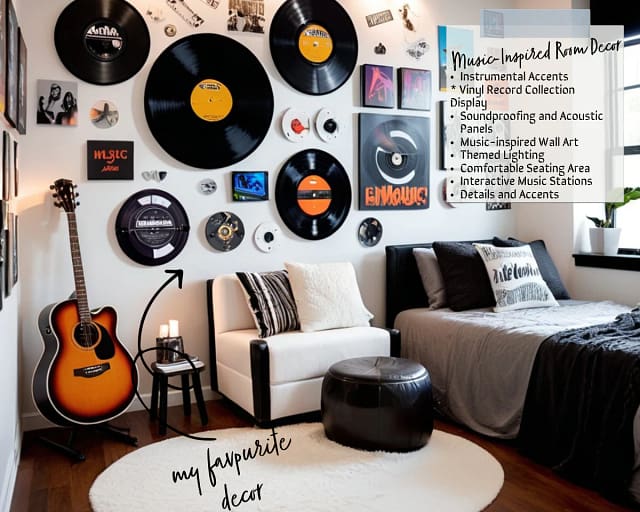
Rock enthusiasts install acoustic treatments disguised as art panels and dedicate walls to framed posters or instruments. Hip-hop collectors create “sneaker walls” or vinyl display systems that double as focal points. Classical devotees invest in high-fidelity systems and furniture arranged for optimal acoustics—angled bookshelves, heavy drapes, plush seating.
Even lighting follows the beat: warm, dimmable bulbs for blues and country; dynamic, color-changing LEDs for electronic and hip-hop; crisp, even illumination for classical clarity. Textiles mirror texture—velvet and leather for soulful genres, sleek synthetics for electronic minimalism.
In sustainable design, genres influence material choices too. Folk and country enthusiasts prioritize reclaimed wood and natural fibers. Electronic fans embrace recycled plastics and modular pieces that evolve with technology.
Genres as Visual and Artistic Inspiration
Music genres have long fueled visual art. Album covers remain miniature masterpieces: the psychedelic swirl of Cream’s Disraeli Gears, the stark minimalism of The White Album, the street-art energy of Public Enemy’s It Takes a Nation. Music videos function as short films that dictate interior trends—think the luxurious yet lived-in sets in Beyoncé’s Lemonade or the futuristic minimalism in The Weekend’s videos.
Contemporary artists draw directly from genres. Kerry James Marshall’s paintings echo jazz improvisation through layered narratives. Banksy’s street art shares hip-hop’s rebellious spirit. In homes, collectors pair genre-specific art with sound: a Basquiat print above a turntable for hip-hop; a Kandinsky reproduction in a classical listening room.
Architecture itself borrows musical structure. The flowing curves of Frank Gehry’s buildings mimic jazz solos. Brutalist concrete echoes punk’s rawness. Modern glass pavilions feel like electronic precision.
The Future: Fusion, Algorithms, and Intentional Listening
Today’s genres blur faster than ever. Hyperpop, bedroom pop, and global fusion dominate streaming. AI generates new hybrids while vinyl sales surge as people seek tangible, intentional experiences. Live events—from intimate genre-specific house concerts to massive festivals—remind us that music thrives in shared space.
Climate-aware design incorporates acoustic materials made from recycled denim or mycelium that enhance sound while reducing environmental impact. Homes become hybrid spaces: a corner for vinyl rituals, a smart zone for algorithmic discovery, an outdoor area for unplugged acoustic sessions.
Subgenres multiply—lo-fi for focus, phonk for nostalgia, amapiano for joy—creating niche aesthetics. The key is curation over consumption. Instead of letting algorithms dictate taste, homeowners now build “genre libraries”: dedicated shelves or digital playlists paired with matching design elements.
Composing Your Home’s Soundtrack
The invitation is clear: let music genres guide your next design decision. Ask: Which genre best captures the energy I want in my kitchen at dawn? Which cultural voices do I want echoing through family dinners? How can sound help this space reflect my story while welcoming others?
Start simply. Create a genre corner—perhaps a vintage Eames chair with a record player for jazz evenings. Frame concert tickets or album art alongside family photos. Host “genre nights” where friends bring dishes and songs from their heritage. Install a multi-room audio system that lets classical flow through the study and Afrobeats energize the living room.
In our increasingly fragmented world, genres offer coherence. They connect us to ancestors, contemporaries, and future possibilities. They turn houses into homes that sing.
As philosopher Friedrich Nietzsche wrote, “Without music, life would be a mistake.” With the right genres woven into our walls, floors, and daily rhythms, life becomes not just bearable but beautifully orchestrated—a living composition where culture, art, and personal identity harmonize perfectly.
