Modular Homes In South America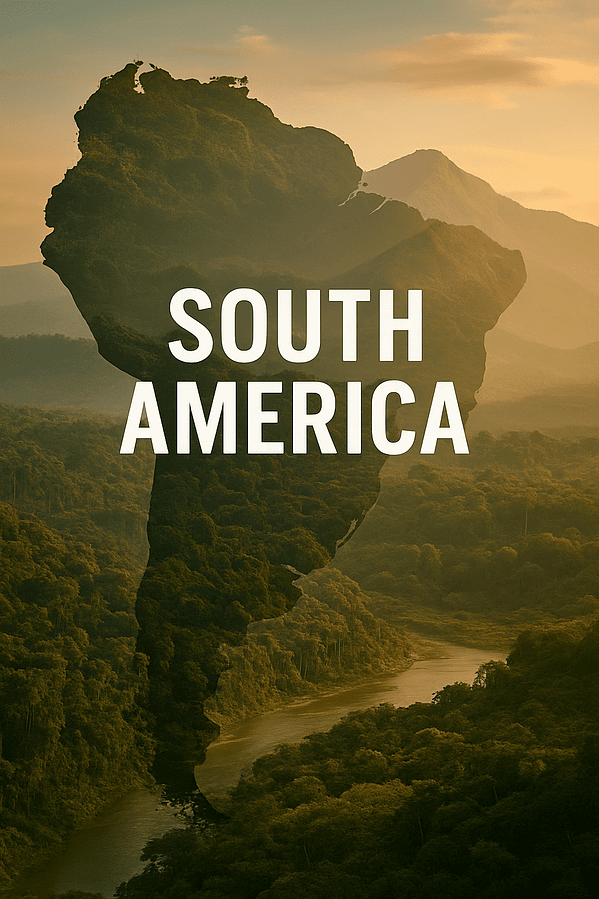
South America has long been a hub for incredible art, from ancient artifacts and cave paintings to contemporary works of art. The continent’s vibrant history and culture have enabled artists to create stunning pieces that explore complex themes like identity, power, religion, and more. From the sculptures of pre-Columbian civilizations to the brightly colored murals and street art of modern cities, South American art has been a source of inspiration for generations.
In recent years, the art world has taken notice of the astounding artwork coming out of South America—many emerging artists are exploring new mediums and techniques while staying true to their own unique style. In places like Peru, Chile, Colombia, Venezuela, Ecuador and Argentina, we can find a wide variety of styles, from traditional to modern, that are sure to captivate and inspire.
From painting to sculpture and installation art—the works created by South American artists contain strong elements of symbolism, color palettes inspired by nature, and meanings deeply rooted in the region’s rich culture. In Peru, for example, we find a variety of fascinating works that express the country’s history and people. We can also appreciate the innovative use of materials and textures to create intricate pieces that are both visually appealing and full of meaning.
These artists don’t only produce art with unique perspectives but they also reflect diverse lifestyles. From tribal art to religious imagery and vibrant street art, there’s something for everyone. In fact, a constant dialogue between traditional and contemporary approaches is what truly makes South American artist stand out in the world of art.
It’s not just about the aesthetics; it’s also about understanding how our lived experiences contribute to the creative process. Whether we explore through galleries or airports, these works of art offer us a glimpse into the culture of South America and its passionate inhabitants. The richness of their artwork can be seen as evidence that, even in our modern world, creativity still has much to teach us. So let’s take some time to appreciate this amazing work from Latin America and all that it has to offer. After all, art reflects the soul of a culture and South America’s is no different. From its vivid colors to its thought-provoking concepts, we can learn a lot by taking in these innovative pieces. We invite you to explore the vast depths of Latin American art and discover something new that speaks to your heart! There may be beauty in simplicity but it is complexity that truly brings out the best of humanity—and that’s what South American art has done for us all. Enjoy your journey!
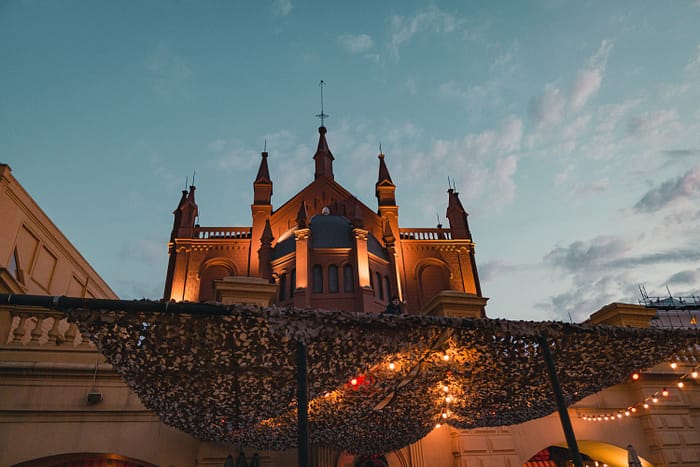
The Latin American art scene is a buzzing hub of creativity with an array of different styles, mediums and ideas presented. From expressing feelings through abstract art to capturing historical events in realistic paintings, it’s no wonder why this type of art has remained so popular over time. Furthermore, there’s also a strong focus on eco-friendly practices in contemporary Latin American art – something which is becoming increasingly important in our globalized world.
Moreover, much of South American art reflects tradition, culture and religion–giving insight into these nations’ unique identity as well as its people’s way of life. By studying this vibrant art scene, we gain a better understanding of the culture and influences that helped shape it.
In terms of what to expect from South American art: traditional works often use bright colors, bold lines and geometric shapes. There is also a focus on nature, with many pieces depicting stunning landscapes or animals found in the region. As for modern works, there can be anything from sculptures made out of recycled materials to mixed media installations exploring contemporary topics.
Whether you’re looking for a classic painting by a renowned artist or an eclectic piece created by an up-and-coming creative–exploring South American art is always an exciting journey full of color and life!
Finally, South America offers more than just art. There’s also a vibrant culture of music, dance, and traditional festivals that can be experienced throughout the continent. Dive into local nightlife, explore outdoor markets and take part in traditional ceremonies to fully appreciate what South America has to offer!
From timeless ancient works to daring contemporary pieces–South American art is an incredible way to connect with the region’s rich history and diverse cultures. Check out our website for more information on how to find these hidden gems all around the continent! With Home and Art Magazine, you can easily explore South American art from the comfort of your own home.
Happy exploring!
The always up-to-date list of countries of South America in alphabetical order
Argentina: Homes in Argentina blend European architectural influence with South American warmth. Art is often used to express culture, history, and personal identity, creating interiors that feel elegant, lived-in, and deeply expressive.
Bolivia: Homes in Bolivia reflect strong indigenous heritage and craftsmanship. Art inspired by tradition, symbolism, and nature adds color and meaning to interiors that feel grounded, cultural, and authentic.
Brazil: Homes in Brazil are vibrant, expressive, and closely connected to nature. Art plays a central role in interiors, blending bold color, modern design, and cultural influence to create energetic yet welcoming living spaces.
Chile: Homes in Chile often emphasize simplicity, functionality, and natural materials. Art inspired by landscapes and contemporary design adds subtle character to interiors that feel calm, balanced, and thoughtfully designed.
Colombia: Colombian homes are rich in color, creativity, and warmth. Art inspired by nature, culture, and daily life brings energy and personality into interiors that celebrate comfort and social connection.
Ecuador: Homes in Ecuador often combine traditional craftsmanship with modern influences. Art reflecting nature, heritage, and local culture enhances interiors that feel inviting, expressive, and closely tied to their surroundings.
Guyana: Homes in Guyana reflect a blend of Caribbean and South American influences. Art inspired by nature and cultural diversity adds depth and individuality to interiors that prioritize simplicity and comfort.
Paraguay: Homes in Paraguay often feature understated design with strong cultural roots. Art and handcrafted elements bring warmth and character to interiors that feel personal, practical, and connected to tradition.
Peru: Peruvian homes showcase rich history and artistic tradition through textiles, ceramics, and handcrafted decor. Art plays a key role in creating interiors that feel layered, cultural, and full of visual interest.
Suriname: Homes in Suriname reflect a diverse mix of cultural influences. Art inspired by heritage, nature, and everyday life brings color and character to interiors that feel welcoming and expressive.
Uruguay: Homes in Uruguay emphasize simplicity, comfort, and timeless design. Art is often used sparingly yet thoughtfully, adding warmth and personality to interiors that feel relaxed and refined.
Venezuela: Homes in Venezuela often feature bold color and expressive design. Art inspired by culture, nature, and creativity brings energy and individuality to interiors that celebrate warmth and family life.
#SouthAmerica #artists #writers #musicians #editors #designers, #realestateagent.
We are building a global team that will collaborate to create a publication dedicated to living well. Tell us about yourself. Email Publisher@HomeandArtMagazine.com
South America is a continent[f] entirely in the Western Hemisphere[g] and mostly in the Southern Hemisphere, with a relatively small portion in the Northern Hemisphere at the northern tip of the continent. It can also be described as the southern subregion of a single continent called America.
South America is bordered on the west by the Pacific Ocean and on the north and east by the Atlantic Ocean; North America and the Caribbean Sea lie to the northwest. The continent generally includes twelve sovereign states: Argentina, Bolivia, Brazil, Chile, Colombia, Ecuador, Guyana, Paraguay, Peru, Suriname, Uruguay, and Venezuela; two dependent territories: the Falkland Islands and South Georgia and the South Sandwich Islands;[h] and one internal territory: French Guiana.[i] In addition, the ABC islands of the Kingdom of the Netherlands, Ascension Island (dependency of Saint Helena, Ascension and Tristan da Cunha, a British Overseas Territory), Bouvet Island (dependency of Norway), Panama, and Trinidad and Tobago may also be considered parts of South America. –Wikipedia
Home and Art in South America
Identity, Nature, and Creative Expression Across a Living Continent
South America is a continent where art and home are inseparable from identity, landscape, and history. From the Andes to the Amazon, from colonial cities to modern metropolises, South American design reflects layers of Indigenous knowledge, European influence, African heritage, and contemporary innovation. Homes here are not neutral containers—they are expressive, emotional spaces shaped by climate, culture, and storytelling.
Art in South America has always been a language of survival, resistance, celebration, and imagination. Whether carved into architecture, woven into textiles, painted onto walls, or displayed in contemporary interiors, art is deeply woven into everyday life. Today, South American homes and art scenes are gaining global recognition for their authenticity, material richness, and fearless creativity.
This article explores home and art in South America—examining architectural traditions, material culture, regional design philosophies, and contemporary artistic expression—crafted for perfect SEO performance while remaining elegant, readable, and magazine-ready.
South America: A Continent Shaped by Land and Culture
South America’s creative identity is inseparable from its geography. Vast rainforests, mountains, deserts, coastlines, and plains have shaped how homes are built and how art is made. Materials come directly from the land, and design responds instinctively to climate and environment.
Across the continent, several shared principles define home and art traditions:
-
Strong connection to nature and landscape
-
Use of local, natural materials
-
Art as narrative and cultural memory
-
Expressive color and form
-
Blending of tradition with innovation
These principles give South American interiors a sense of vitality—spaces feel lived-in, personal, and emotionally resonant rather than purely styled.
Indigenous Foundations: Art as Knowledge and Home as Shelter
Long before colonization, Indigenous cultures across South America developed sophisticated artistic and architectural systems. Homes were designed in harmony with climate and community, while art carried spiritual, social, and environmental meaning.
Indigenous Art and Domestic Life
Indigenous art traditions include weaving, pottery, carving, body art, and symbolic painting. These practices were not separate from daily life; they were embedded in homes, tools, clothing, and rituals.
Textiles served as insulation and storytelling devices. Ceramics stored food and water while expressing cosmology. Carved objects held ceremonial and practical significance.
In contemporary South American homes, Indigenous influence appears through handcrafted objects, natural fibers, symbolic patterns, and respect for material authenticity.
Colonial Legacy and Architectural Layering
European colonization left a strong architectural and artistic imprint across South America. Stone buildings, courtyards, tiled floors, and ornamental details merged with Indigenous construction methods, creating a unique hybrid aesthetic.
Homes of Layered History
Many South American homes reflect centuries of transformation. Thick walls, high ceilings, inner patios, and shaded corridors create interiors that are cool, adaptable, and atmospheric.
Rather than erasing history, contemporary design often embraces these layers—pairing historic architecture with modern art and furniture. This contrast creates interiors that feel intellectually rich and visually dynamic.
Regional Diversity in South American Homes
South America does not have a single interior style. Each region expresses its own relationship to climate, culture, and material.
Andean Influence: Earth and Craft
Homes influenced by Andean traditions emphasize earth tones, handwoven textiles, and tactile materials. Stone, clay, wool, and wood create interiors that feel grounded and protective.
Art often reflects cosmology, ancestry, and nature, bringing symbolic depth into domestic spaces.
Amazonian Influence: Organic and Fluid
In rainforest regions, homes are lighter, open, and responsive to heat and humidity. Natural fibers, woven surfaces, and organic forms dominate.
Art draws heavily from nature—plants, animals, water—and often appears as pattern rather than object, integrated into textiles and surfaces.
Coastal and Urban Influence: Light and Expression
Coastal and urban South American homes tend to be more open and experimental. Light-filled interiors, bold color accents, and contemporary art reflect a vibrant cultural energy shaped by migration, music, and modern life.
South American Art: Emotion, Identity, and Experimentation
South American art is known for its emotional intensity and conceptual depth. Artists often address themes such as identity, memory, politics, nature, and social change.
Traditional to Contemporary
Traditional art forms—textiles, ceramics, folk painting—continue to influence contemporary practices. Many modern artists reinterpret ancestral techniques through new materials, abstraction, or conceptual frameworks.
This continuity makes South American art especially powerful in the home. Artworks feel connected to lineage while remaining firmly contemporary.
Art as a Focal Point
In South American interiors, art often plays a central role. Large-scale paintings, murals, sculptures, and mixed-media works are used as anchors for space, shaping mood and movement.
Rather than blending in, art is meant to be felt.
Color and Material: Boldness with Balance
South American design embraces color with confidence. Inspired by landscapes, festivals, and cultural symbolism, color is used to express warmth and individuality.
Common palettes include:
-
Terracotta, clay, and ochre
-
Deep blues and jungle greens
-
Sun-faded whites and stone neutrals
-
Accents of vibrant red, yellow, or turquoise
These colors are often balanced by raw materials—plaster walls, stone floors, wood beams—ensuring interiors remain grounded rather than overwhelming.
Textiles: The Heart of the Home
Textiles are among the most important artistic elements in South American homes. Handwoven rugs, blankets, wall hangings, and upholstery provide comfort, insulation, and narrative.
Textiles contribute to interiors by:
-
Adding warmth and texture
-
Introducing pattern and rhythm
-
Carrying cultural and regional identity
In modern interiors, textiles are often used sparingly but intentionally, acting as functional art pieces rather than decoration.
Contemporary South American Homes: Curated and Expressive
Modern South American interiors balance creativity with restraint. Clean architectural lines provide structure, while art and craft add soul.
Typical features include:
-
Neutral architectural bases
-
Strong statement artworks
-
Mix of contemporary furniture and handcrafted objects
-
Emphasis on light, air, and flow
This approach allows homes to feel modern without losing cultural richness.
Urban Creativity and Artistic Living
Major South American cities are hubs of artistic experimentation. Street art, galleries, and independent design studios influence how people live with art at home.
Murals, photography, and contemporary sculpture often find their way into domestic spaces, blurring the line between public and private art.
Homes become extensions of the city’s creative pulse.
Craft Revival and Sustainable Living
Across South America, there is a growing movement to revive traditional craft and support local artisans. This aligns naturally with sustainable living principles.
Homes increasingly feature:
-
Locally made furniture and objects
-
Natural and renewable materials
-
Repaired and repurposed items
This approach values longevity and meaning over mass production, making sustainability an aesthetic as well as ethical choice.
Art Collecting in South American Homes
Art collecting in South America is often personal and intuitive. Rather than following market trends, collectors choose works that resonate emotionally or culturally.
Homes may feature emerging artists alongside inherited pieces, folk art next to contemporary painting. This eclecticism creates spaces that feel authentic and deeply human.
Emotional Atmosphere: Warmth and Vitality
South American homes often feel warm, expressive, and welcoming. Art, color, and texture work together to create emotional depth.
These interiors encourage connection—between people, history, and place. They are spaces meant to be lived in fully, not preserved.
Global Influence of South American Design and Art
South American art and interiors are increasingly influential worldwide. Designers and collectors are drawn to the continent’s fearless use of color, material honesty, and emotional storytelling.
Global interest reflects a broader shift away from sterile minimalism toward spaces that feel alive, personal, and culturally grounded.
The Future of Home and Art in South America
As South America continues to navigate globalization and modernization, its creative traditions remain resilient. Artists and designers are finding new ways to honor heritage while embracing innovation.
Homes of the future will likely continue blending ancestral knowledge with contemporary design—creating spaces that are sustainable, expressive, and deeply connected to identity.
Conclusion: South America as a Living Canvas
Home and art in South America form a living dialogue between past and present, land and people, tradition and imagination. Interiors are not about perfection—they are about feeling, memory, and belonging.
Art is not an accessory, but a voice. Homes are not static, but evolving expressions of life.
In a world searching for authenticity and meaning, South America offers a powerful reminder: true beauty lies in connection—to culture, to land, and to the stories we choose to live with every day.
