
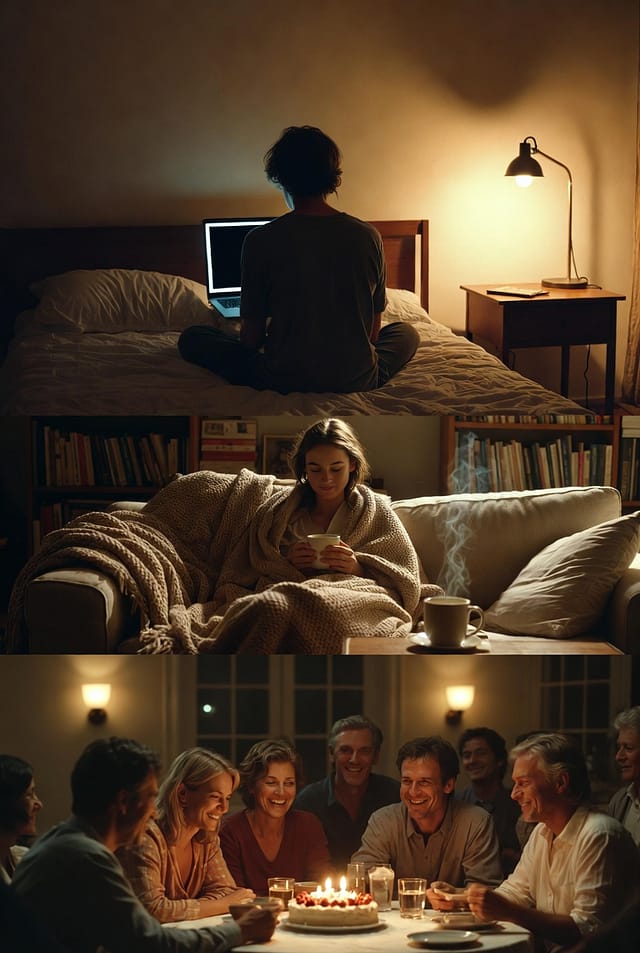
Privacy, Comfort & Belonging: Crafting Personal Sanctuaries in the Modern Home
Home and Art Magazine: Privacy, Comfort & Belonging. In an increasingly interconnected world, the home serves as a vital refuge where privacy, comfort, and a sense of belonging converge to nurture the human spirit. These three elements—privacy as a shield from external intrusions, comfort as physical and emotional ease, and belonging as a deep-rooted connection to one’s space—form the cornerstone of meaningful domestic life. Through thoughtful design and artistic integration, homes can transcend mere functionality to become personalized havens. This article explores how these concepts intertwine in home environments, drawing on historical precedents, psychological insights, and contemporary trends in architecture and art. By examining their evolution and practical applications, we uncover ways to cultivate spaces that foster well-being, creativity, and identity in today’s fast-paced society.
The Foundations of Privacy in Domestic Design
Privacy in the home has long been a fundamental human need, evolving from basic survival instincts to sophisticated architectural strategies. In ancient times, homes like the Roman domus incorporated atriums and peristyles—open yet enclosed courtyards that allowed light and air while maintaining seclusion from the street. Walls were thick, doors fortified, and inner rooms reserved for family intimacy, reflecting a cultural emphasis on separating public and private spheres.
Fast-forward to the Victorian era, where privacy reached new heights amid industrialization’s social upheavals. Homes featured parlors for guests, separated from private bedrooms and studies by corridors and screens. Architectural elements like pocket doors and heavy draperies provided adjustable barriers, while art played a role through portraits and landscapes hung in intimate settings, creating emotional buffers.
Psychologically, privacy enables self-reflection and autonomy. Studies from environmental psychology, such as those by Irwin Altman, highlight how territorial control reduces stress and enhances mental health. In modern homes, this translates to features like soundproofing, frosted glass, and zoning—dividing spaces into public (living rooms) and private (bedrooms) areas. Smart technologies, such as automated blinds or voice-activated locks, offer customizable privacy without sacrificing convenience.
Art amplifies privacy by personalizing hidden nooks. Consider installing a gallery wall in a home office with abstract pieces by artists like Mark Rothko, whose color fields evoke introspection. Or, use sculptural room dividers, like those inspired by Isamu Noguchi, to carve out serene alcoves. These artistic interventions not only shield from view but also infuse spaces with personal narratives, making privacy feel empowering rather than isolating.
Comfort: The Sensory Embrace of Home
Comfort extends beyond plush cushions; it’s a holistic experience engaging all senses to promote relaxation and restoration. Historically, comfort emerged as a luxury during the Renaissance, when padded furniture and fireplaces replaced medieval austerity. Italian palazzos introduced upholstered chairs and tapestries, softening stone interiors and providing thermal comfort in drafty halls.
In the 20th century, ergonomic design revolutionized comfort. Pioneers like Charles and Ray Eames created furniture that conformed to the body, such as the iconic lounge chair, blending form with function. Today, biophilic design incorporates natural elements—plants, wood grains, and water features—to mimic nature’s calming effects, reducing cortisol levels as per research from the University of Melbourne.
Sensory comfort involves tactile, visual, auditory, and olfactory dimensions. Soft textiles like wool rugs or velvet throws invite touch, while warm lighting from LED fixtures mimics sunlight to regulate circadian rhythms. Acoustics matter too; cork flooring or fabric wall panels absorb noise, creating quietude. Aromatherapy diffusers with essential oils add subtle scents, enhancing emotional comfort.
Art elevates comfort by evoking joy and familiarity. A cozy reading corner might feature landscape paintings by J.M.W. Turner, whose ethereal skies induce tranquility. Kinetic sculptures, like those by Alexander Calder, add gentle movement, stimulating without overwhelming. In kitchens, ceramic art pieces—hand-thrown mugs or tiled backsplashes—combine utility with aesthetic pleasure, making routine tasks comforting rituals. Ultimately, comfort in the home is about creating environments that hug the soul, adapting to individual needs through layered, sensory-rich designs.
Belonging: Rooting Identity in Space
Belonging transforms a house into a home by forging emotional bonds through personalization and cultural resonance. This sense arises from spaces that reflect one’s history, values, and aspirations. Indigenous architectures, such as Native American hogans or African rondavels, embody belonging through communal layouts and symbolic motifs tied to ancestral lands, using art like beadwork or carvings to narrate stories.
In colonial times, immigrants adapted homes to evoke homelands—think Irish cottages with thatched roofs recreated in America, adorned with Celtic knots. Psychologist Abraham Maslow placed belonging in his hierarchy of needs, essential for self-esteem. Modern studies, including those from the Journal of Environmental Psychology, show that personalized spaces boost happiness and reduce alienation.
To foster belonging, incorporate heirlooms or custom art. A family photo wall, curated like a museum exhibit, weaves personal history into the decor. Murals by local artists can reflect community ties, while multicultural homes blend elements—like Japanese shoji screens with Mexican talavera tiles—for hybrid identities.
Technology aids belonging in diasporic contexts; virtual reality setups display distant homelands, or AI-curated playlists evoke memories. Sustainable materials, such as reclaimed wood from family properties, add authenticity. Art installations, like Yayoi Kusama’s infinity mirrors, symbolize endless connections, encouraging self-exploration.
In shared homes, belonging requires inclusive design—flexible furniture for gatherings, or adaptable lighting for diverse moods. For solo dwellers, pet-friendly zones or hobby nooks affirm self-belonging. Overall, belonging anchors us, turning spaces into extensions of our essence.
Interweaving Privacy, Comfort, and Belonging
These elements don’t exist in isolation; their synergy creates holistic homes. A private balcony with comfortable seating and personalized planters offers seclusion, ease, and rootedness. In open-plan living, modular screens provide privacy gradients, while ergonomic sofas ensure comfort, and customizable art walls affirm belonging.
Challenges arise in urban density or remote work eras, where homes multitask. Solutions include multifunctional furniture—like Murphy beds with integrated art storage—or zoning with color psychology: blues for calm privacy, earth tones for grounded belonging.
Art is the unifying thread, humanizing spaces. Commissions from artists like Frida Kahlo-inspired self-portraits embed personal stories, enhancing all three aspects.
As we navigate future uncertainties—climate shifts, digital immersion—homes must adapt. Prefab modules for privacy, haptic tech for comfort, and metaverse integrations for virtual belonging promise innovation. Yet, timeless principles endure: listen to inhabitants’ needs, layer sensory experiences, and infuse art for soulful depth.
In essence, privacy shields, comfort soothes, and belonging connects, crafting sanctuaries where we thrive. By mindfully designing with these in mind, we honor the home’s role as life’s canvas.
Discover more on integrating art into your space with our guides on biophilic design and personalized galleries.
