Iceland: Where Home and Art Are One
Iceland is a land of striking contrasts — volcanic fire and glacial ice, wide open wilderness and intimate urban life, ancient sagas and cutting‑edge creativity. But perhaps nowhere is this unique identity more beautifully expressed than in the way Icelanders shape their homes and art. In this island nation where nature never reveals itself halfway, creativity and everyday life have fused into a remarkable cultural rhythm that resonates through architecture, interiors, design, and visual expression.
Homes That Sing With Nature
To live in Iceland is to live in conversation with the land.
Whether a modern Reykjavík apartment, a hillside cabin on the slopes of Esja, or a remote house overlooking a vast fjord, Icelandic homes are designed to embrace their surroundings. The spectacular landscapes — from smoky geothermal fields to jagged mountain ridges — serve not just as scenery but as active participants in the experience of living. Natural light is a treasured element in architecture here; vast windows and open layouts are typical, inviting the outside in and framing every shift of the Arctic sky.
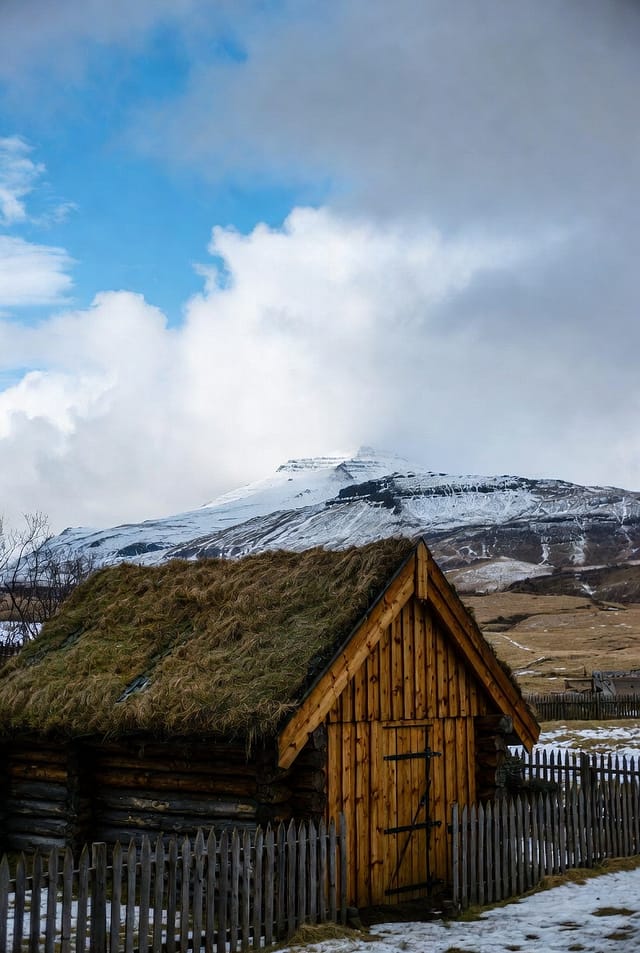
This design ethos reflects something deeper: a desire for harmony rather than conquest. Homes rarely compete with nature’s grandeur; they instead create spaces where inhabitants feel connected to it. Glass and wood are frequent materials, offering warmth without opacity and form without confinement. Even traditional Icelandic turf houses — with earth‑covered roofs and thick insulating walls — testify to a long history of living with the environment, not against it.
Designing for Life — Not Just Looks
Icelandic interior design carries the Nordic legacy of minimalism but with a distinctive soul. Functionality and simplicity coexist with warmth and personality. Unlike the colder, more austere interpretations of minimalism elsewhere, Icelandic interiors often balance clean lines with tactile textures — wool throws, handcrafted ceramics, woven textiles with rich hues inspired by volcanic rock and moss.
This approach isn’t governed solely by aesthetics; it’s forged from necessity. In long, dark winters, spaces that feel too stark can feel inhospitable. Icelandic designers offset this through layers — of light, material, and cultural symbolism — creating rooms that feel both open and inviting.
Web projects like the Islanders interior series highlight homes filled with creativity, personal expression, and uniqueness, reminding us that personal paradise isn’t about following trends but about reflecting its owner’s spirit.
Art in the Everyday
Art flourishes in Iceland not as an elite pursuit but as a layer woven into everyday life. Reykjavík’s walls, galleries, and museums serve not just as cultural destinations but as community spaces that reflect and challenge national identity.
The Reykjavík Art Museum, with more than 20 annual exhibitions across three sites, showcases both historical works and contemporary expressions, allowing locals and visitors alike to see Icelandic visual culture through diverse lenses.
Meanwhile, Art in Iceland, an annual magazine devoted to visual arts, functions as a critical space for dialogue — presenting essays, interviews, and essays that probe artistic trends and spark conversation about the evolving scene.
Street art, installations, and public sculptures further dissolve the boundary between art and place. Around Reykjavík and beyond, walls, alleyways, and urban spaces gleam with color and commentary — each piece inviting passersby to consider their environment and their role within it.
Architectural Expression — Past and Present
Icelandic architecture reflects the tension between innovation and tradition.
On the contemporary side stands Harpa Concert Hall, a glass‑faceted marvel on Reykjavík’s harbor. Its crystalline surface, inspired by the northern lights, mirrors both sky and sea, making it a poetic gateway between land and light.
Yet just as remarkable are the turf houses scattered across the countryside — ancient constructions whose grass‑covered roofs soften with the terrain. These homes are historical artifacts and living symbols of adaptation, reminding us that architecture is not just about style but survival.
Today’s architects continue this lineage with designs that respect Iceland’s environment while pushing aesthetic boundaries. The emphasis on site‑specific solutions — buildings that rise from lava fields, nestle into fjords, or frame glaciers — shows a deep respect for landscape as a co‑designer.
Cultural Core: Craft, Materiality, Tradition
Iceland’s creative culture is deeply rooted in material traditions — knitting, woodworking, metalwork, and ceramics all have robust histories here. These crafts have not only survived but have been reinterpreted by contemporary designers who weave heritage into modern contexts.
Projects like the proposed Iceland By Design magazine aim to capture this diversity — reporting on product design, textiles, interiors, jewelry, and graphic arts — recognizing that Icelandic aesthetics aren’t confined to galleries but are present in everyday objects.
Handmade goods — from pliant woolen sweaters to sculpted ceramics — speak to an Icelandic mentality that marries durability with beauty. Because in Iceland, art is not a luxury; it is an affirmation of resilience, identity, and home.
The Intangible Essence of Icelandic Spaces
Ultimately, what sets Icelandic homes and art apart is not a single style or medium but a philosophy of space. Here, living spaces are not islands unto themselves but parts of a larger narrative — one that includes geology, climate, community, and memory.
In winter’s light — pale, lingering, and soft — interiors become sanctuaries. In summer’s midnight sun, rooms transform into portals to endless horizons. Art does not interrupt life; it is interwoven into it — paintings in cafés, sculptures in public parks, exhibitions that punctuate the rhythm of seasons.
From ancient sagas to contemporary galleries, from turf houses to Harpa’s facets, the story of home and art in Iceland is a story of coexistence — of humans and nature, history and innovation, functionality and beauty.
Embracing Iceland: A Saga of History, Art, Architecture, Housing, and Culinary Adventures
Unraveling Iceland’s Epic History
Iceland, a land of glaciers, volcanoes, and ancient sagas, invites you to step into its rich history. Begin your exploration at the National Museum of Iceland, where exhibits trace the island’s journey from settlement to the present day. Immerse yourself in the stories of the Vikings, the Norse gods, and the struggles for independence.
To delve even deeper, a visit to the Saga Museum in Reykjavik provides a theatrical experience that brings historical figures to life. Walk through immersive displays that recreate pivotal moments from Iceland’s sagas, offering a unique glimpse into the nation’s past.
Iceland’s Artistic Expression
Iceland’s art scene is as diverse and captivating as its landscapes. Explore the Reykjavik Art Museum, where contemporary Icelandic art takes center stage. The museum’s multiple locations showcase works by prominent artists, reflecting the country’s creative spirit.
For a taste of traditional Icelandic art, visit the Árbær Open Air Museum, where historical buildings and artifacts provide a visual narrative of Iceland’s rural life through the centuries.
Architectural Marvels in the Land of Fire and Ice
Iceland’s architecture is a blend of modern innovation and respect for nature. The Harpa Concert Hall, an iconic glass structure in Reykjavik, stands as a testament to the country’s contemporary architectural prowess. Its design mirrors the Northern Lights, creating a mesmerizing interplay of light and space.
Explore the traditional side of Icelandic architecture with a visit to the Turf Houses, where thick grassy roofs provide natural insulation against the island’s harsh weather. These historic buildings offer a glimpse into Iceland’s rural heritage.
Housing Harmony in the Icelandic Landscape
Iceland’s housing options are as varied as its terrain, from modern apartments in Reykjavik to remote cottages in the countryside. Websites like Mbl.is can guide you through the local real estate market, showcasing everything from cozy cabins to sleek urban residences.
For a unique housing experience, consider staying in a geodesic dome, offering unparalleled views of the Northern Lights. These transparent structures immerse you in Iceland’s natural beauty while providing a comfortable and cozy retreat.
Culinary Exploration Through Iceland’s Flavors
Icelandic cuisine is a celebration of local ingredients and culinary creativity. Begin your gastronomic journey at Dill, a Michelin-starred restaurant in Reykjavik that redefines Nordic cuisine. Savour dishes crafted from fresh, seasonal Icelandic produce.
For a more casual experience, explore the Reykjavik Street Food scene, where you can indulge in Icelandic classics like pylsur (hot dogs) and fish and chips. Embrace the country’s fishing heritage with a visit to the bustling Old Harbour area.
In conclusion, Iceland beckons with a saga of history, an explosion of art, architectural wonders, diverse housing options, and a culinary adventure that dances on the taste buds. Whether you’re drawn to ancient tales, immersed in artistic expressions, considering a new home, or savoring unique flavors, Iceland promises an extraordinary experience that mirrors its breathtaking landscapes. Embrace the magic of this land of fire and ice, where every chapter unfolds a new facet of its captivating story.
