Home and Art Magazine: Turkey
Turkey is a country where history and modernity coexist in perfect harmony, and this unique cultural blend is vividly reflected in its architecture, interiors, and decorative arts. From the bustling streets of Istanbul to the serene landscapes of Cappadocia, Turkish homes and spaces tell stories that span centuries, combining traditional craftsmanship with contemporary design sensibilities. At Home and Art Magazine, we explore how Turkey’s rich heritage shapes living spaces today, offering inspiration for homeowners, designers, and art enthusiasts alike.
Architectural Heritage and Contemporary Innovation
Turkey’s architectural identity is deeply rooted in its diverse history, shaped by Byzantine, Ottoman, and modern influences. The iconic domes and intricate tile work of Ottoman palaces, such as the Topkapı Palace in Istanbul, continue to inspire contemporary residential design. Many modern Turkish homes incorporate these elements in subtle ways—ornate geometric patterns, arched doorways, and decorative tile accents bring a sense of heritage into contemporary spaces.
In urban centers like Istanbul, Ankara, and Izmir, sleek high-rise apartments and modern villas showcase a fusion of international architectural trends with local sensibilities. Open-plan layouts, large windows, and seamless indoor-outdoor connections are paired with Turkish materials such as natural stone, wood, and handcrafted ceramics. This balance of modern functionality and historical reference creates homes that are both elegant and culturally grounded.
Interiors: A Blend of Tradition and Modernity
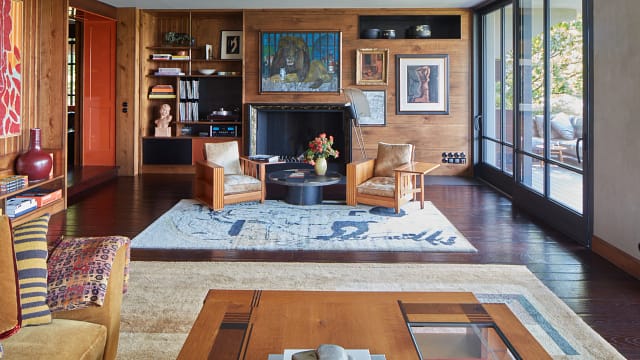
The interiors of Turkish homes often celebrate color, texture, and artisanal detail. Traditional textiles like kilims, carpets, and embroidered fabrics add warmth and character to modern interiors. Rich jewel tones—emerald, sapphire, ruby, and gold—are used alongside natural neutrals to create a striking visual balance. Furniture frequently blends European styles with Turkish craftsmanship, resulting in pieces that are both functional and works of art.
Lighting is another area where tradition meets innovation. Handcrafted lanterns, pendant lights, and brass fixtures inspired by Ottoman designs are often paired with contemporary minimalist fixtures to create dynamic, layered spaces. Kitchens and dining areas showcase both functionality and artistry, with marble countertops, carved wood cabinetry, and ceramic tile backsplashes featuring intricate motifs inspired by Turkish heritage.
Decorative Arts: Craftsmanship That Inspires
Turkey has a long-standing tradition of decorative arts, including ceramics, metalwork, glass, and calligraphy. Hand-painted Iznik tiles and ceramics, with their vibrant blues, reds, and greens, remain highly sought after for both interior accents and architectural features. Similarly, the art of copper and brass work continues to influence lighting, kitchenware, and decorative accessories, blending utility with artistic expression.
Textile arts are also a vital part of Turkish interiors. Kilims, rugs, and embroidered throws not only provide comfort but also convey cultural narratives and craftsmanship passed down through generations. Incorporating these artisanal pieces into modern interiors allows homes to honor tradition while maintaining contemporary appeal.
Outdoor Living Spaces
Turkish homes often emphasize harmony with the surrounding environment. Courtyards, terraces, and balconies are thoughtfully integrated into home designs, providing spaces for relaxation, entertaining, and family gatherings. In coastal regions like Bodrum and Antalya, outdoor living is a central aspect of lifestyle, with open-air lounges, pergolas, and swimming pools designed to take full advantage of the Mediterranean climate. Landscaping frequently includes native plants, fragrant herbs, and water features, enhancing the connection between indoor and outdoor spaces.
Sustainability and Modern Turkish Design
In recent years, sustainable design has become an increasingly important aspect of Turkish architecture and interiors. Many contemporary projects prioritize energy efficiency, local materials, and environmentally friendly construction practices. Solar panels, thermal insulation, and rainwater harvesting are often integrated into both urban and rural homes, reflecting a growing awareness of environmental responsibility.
Designers are also exploring adaptive reuse of historic buildings, converting old palaces, warehouses, and traditional stone houses into modern homes, boutique hotels, and cultural spaces. This approach preserves cultural heritage while meeting contemporary needs, creating spaces that feel timeless and innovative simultaneously.
Cultural Influence on Lifestyle and Interior Design
The social and cultural fabric of Turkey plays a significant role in shaping interior spaces. Hospitality and family-centered living influence the layout of homes, with generous seating areas and communal dining spaces designed to accommodate gatherings. Tea corners, conversation nooks, and prayer spaces reflect the country’s traditions and lifestyle preferences.
Art and design are woven into everyday life. It is common to find original artwork, handcrafted ceramics, or calligraphy pieces displayed prominently in Turkish homes. These items not only serve aesthetic purposes but also tell stories and preserve the country’s rich cultural heritage.
Conclusion
Turkey’s homes and interiors offer a captivating fusion of past and present, where centuries-old craftsmanship meets modern innovation. From the vibrant textiles and decorative arts to the architectural marvels and thoughtfully designed outdoor spaces, Turkish design celebrates beauty, functionality, and cultural identity. Home and Art Magazine invites readers to explore this rich tapestry, drawing inspiration from Turkey’s diverse aesthetics to create homes that are both elegant and meaningful.
Whether you are seeking design ideas, cultural insight, or appreciation for artisanal excellence, Turkey provides a wealth of inspiration. Its homes are not just living spaces—they are expressions of history, artistry, and modern lifestyle, offering a timeless blend of tradition and contemporary elegance.
