
Home and Art Magazine: Hungary
Hungary is a country where history, craftsmanship, and everyday beauty live side by side. From the elegant streets of Budapest to the quiet villages along Lake Balaton and the Great Hungarian Plain, Hungarian homes tell stories shaped by centuries of culture, tradition, and artistic expression. For lovers of design, architecture, and décor, Hungary offers a rich blend of old-world charm and contemporary creativity.
Traditional Hungarian architecture is deeply rooted in regional materials and climate. In rural areas, you’ll still find charming whitewashed cottages with thatched or tiled roofs, thick walls, and small, welcoming porches decorated with flowers. These homes were built for both practicality and beauty, often featuring hand-carved wooden details, painted shutters, and colorful textiles that reflect local folk traditions. Inside, rooms were historically centered around warmth and hospitality, with large stoves, sturdy wooden furniture, and woven rugs that added both comfort and character.
Hungarian folk art plays a major role in the country’s decorative identity. Intricate embroidery, painted ceramics, and patterned fabrics are more than just ornaments—they are cultural symbols passed down through generations. Motifs often include flowers, birds, and geometric designs, each with regional variations and meanings. Today, many designers and homeowners are reintroducing these traditional elements into modern interiors, creating spaces that feel both timeless and fresh. A minimalist room can be transformed with a single embroidered pillow, a hand-painted plate, or a boldly patterned runner that tells a story of heritage and craftsmanship.
Budapest, the nation’s capital, offers a different but equally inspiring perspective on Hungarian design. Grand historic buildings, Art Nouveau apartments, and neoclassical townhouses line the city’s streets, showcasing ornate facades, high ceilings, and decorative moldings. Inside these urban homes, you’ll often find a stylish mix of antique furniture and contemporary pieces. This blend of old and new reflects Hungary’s evolving design scene—one that respects history while embracing modern living.
Gardens and outdoor spaces are also an important part of the Hungarian home. Whether it’s a small courtyard in the city or a spacious garden in the countryside, these areas are designed for relaxation, family gatherings, and connection with nature. Roses, lavender, and seasonal flowers are common, and many homes feature cozy seating areas that invite long conversations and shared meals under the open sky. The garden is not just an accessory—it’s an extension of the home’s soul.
What makes Hungarian home and art culture especially compelling is its sense of continuity. Even as styles change and modern influences grow, there is a deep respect for tradition, craftsmanship, and storytelling through design. Every embroidered cloth, every carved doorway, and every carefully arranged room reflects a balance between function and beauty.
For Home and Art Magazine, Hungary represents more than a destination—it’s an invitation to explore how history, culture, and creativity come together to shape spaces that feel warm, meaningful, and uniquely alive. From rustic village homes to elegant city apartments, Hungarian design reminds us that a home is not just built—it is crafted, layer by layer, with heart and heritage.
Hungary is a place of immense artistic and architectural beauty. There are many places to explore in the country that will delight your eyes and capture your heart. From bustling cities, to elegant castles, Hungary’s art and architecture have played an important role in its history and culture.
10 Best Place To Visit In Hungary| Travel Video.
https://www.youtube.com/watch?v=hZvdwJTIPcI
The capital city of Budapest is home to some of Hungary’s most iconic w
orks of art and architecture. The Hungarian Parliament Building stands spectacularly on the banks of the Danube River with its intricate facade, while St Stephen’s Basilica can be found in the center of town – a stunning example of Gothic Revival style. Other notable landmarks include Fisherman’s Bastion, Buda Castle, Gellért Hill Cave Chapel, Matthias Church and the Chain Bridge.
Modern art is represented in Hungary by both world-renowned and emerging artists. Paintings, sculptures, installations and multi-media works have been exhibited throughout the country’s galleries, museums and exhibitions. Budapest’s Museum of Fine Art is home to some remarkable pieces ranging from Gothic altarpieces to abstract landscapes. Meanwhile, contemporary art can be found at several initiatives such as Hello Wood – a non-profit organization that commissions large scale environmental sculptures made out of pine logs.
For those interested in discovering more about Hungary’s art history, there are dedicated festivals and events which showcase traditional folk music, dance forms, costumes, instruments and much more. The annual Sziget Festival offers up an eclectic mix of music, art and culture from all across Europe.
Hungary is also a great destination for those who want to explore architecture. From Baroque churches to Art Nouveau buildings, the country’s cities are full of fascinating structures. The Hungarian Parliament Building in Budapest is one of the most iconic examples; it features neo-Gothic spires and ornate exteriors which draw crowds all throughout the year. Beyond this, Hungary is home to several notable monuments such as the Statue Park – an outdoor museum featuring over 40 monumental sculptures from Hungary’s Communist era.
For anyone looking to find out more about art or architecture in Hungary, there are plenty of resources available online. Websites like VisitHungary.com provide detailed descriptions of some of the country’s best-known attractions, while organizations such as the Hungarian Cultural Institute are dedicated to promoting and protecting Hungary’s diverse cultural heritage.
Budapest – The Spice of Europe
Hungary is also home to a thriving art scene; contemporary Hungarian artists have produced remarkable works across various media over the years. From paintings in galleries like the Museum of Fine Arts Budapest to sculptures in public parks, there is something for every art lover in Hungary. Even street art has found a place in this vibrant country – many cities and towns feature beautiful murals that add color and life to their streetscapes.
The beauty of Hungary’s art and architecture makes it a destination worth exploring. Whether you’re looking for grand historical buildings, small chapels in the countryside, or modern structures of steel and glass, Hungary has something to offer. Budapest is particularly renowned for its art nouveau architecture – with many streets lined with ornate buildings that draw crowds of visitors each day.
From castles to cathedrals, Hungarian architecture has been around for centuries. It is a beautiful mix of styles from different eras – Gothic churches from the Middle Ages still stand in many towns and villages, while baroque palaces dazzle visitors in the city center. Each era left its own mark on Hungarian architecture, creating an eclectic mix that never fails to impress.
The history and culture behind Hungary’s art and architecture mean there’s always something exciting to explore. With its rich heritage and vibrant art scene, it’s easy to see why Hungary is a popular destination for tourists and culture enthusiasts alike. Whether you’re looking for stunning architecture, vibrant modern art or traditional folkloric designs, you’ll find it all in Hungary – making it the perfect place to fuel your creative inspiration.
The beauty of Hungarian art and architecture lies in its diversity – so if you’re planning a trip there, make sure to take some time out from sightseeing to truly appreciate the unique blend of styles that combine to create an unforgettable experience. From ancient castles and cathedrals to ornate baroque buildings and contemporary galleries, Hungary has something for everyone.
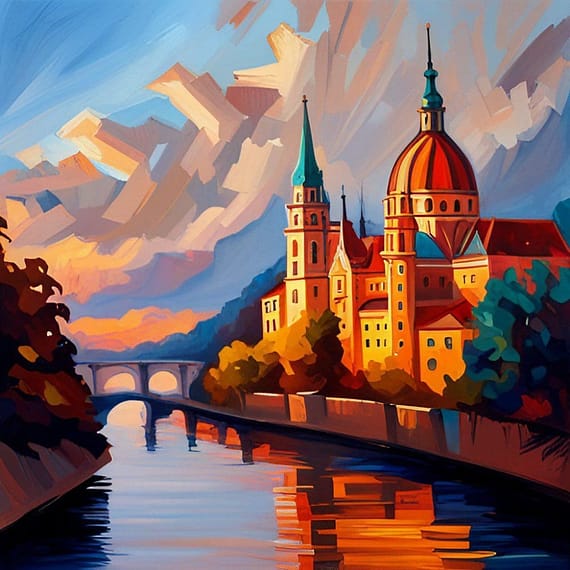
Story & AI Art by Steve Schappert
