First Day With AI Art
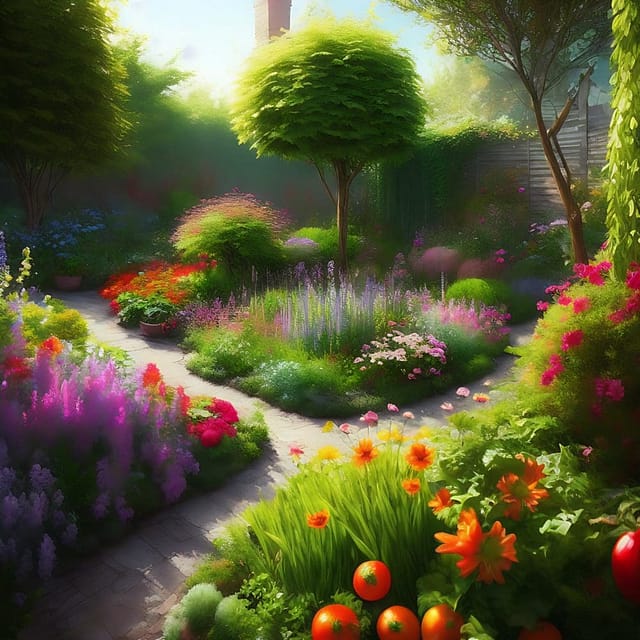
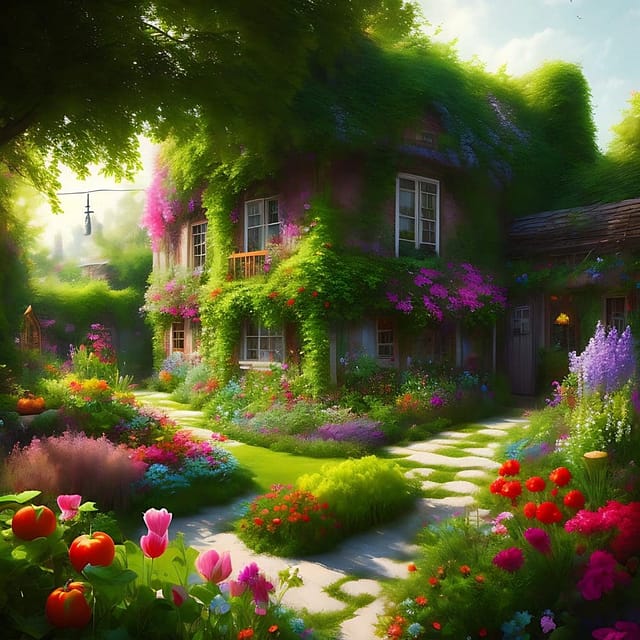
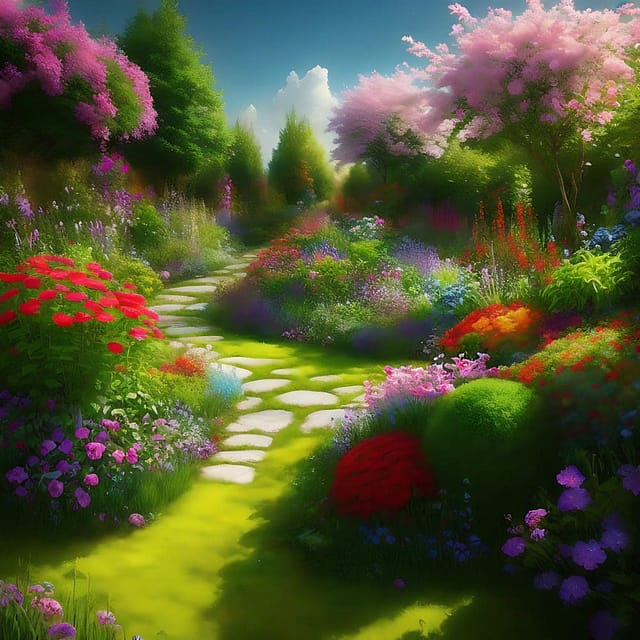
The first day I tried AI art felt a little like stepping into a new kind of studio—one where the paintbrush answers back. I didn’t walk in with canvases or tubes of color. I walked in with words. Simple, ordinary words. And somehow, those words turned into images that looked like they came from a dream, a movie set, or a memory I wasn’t sure I ever had.
At first, I didn’t know what to expect. I typed a short prompt, something almost careless, just to see what would happen. A few seconds later, there it was: an image that didn’t exist before I asked for it. No sketching. No erasing. No waiting for paint to dry. Just an idea translated into visuals at a speed that felt both thrilling and slightly unreal.
What surprised me most wasn’t just the quality of the images—it was how quickly the process pulled me in. Each result made me curious: What if I change one word? What if I add a mood, a time of day, a style? Suddenly, I wasn’t just “using” a tool. I was collaborating with it. The AI wasn’t replacing creativity; it was poking it, challenging it, nudging it in new directions.
There was a moment of awe, but also a moment of humility. I realized how much of art has always been about interpretation. Two people can read the same prompt and imagine completely different scenes. The AI does something similar—it interprets, blends, and reshapes ideas based on patterns it has learned. The results aren’t perfect, and sometimes they’re strange, but that’s part of the charm. Some of the most interesting images came from “mistakes” or unexpected combinations I never would have planned.
Emotionally, the first day with AI art felt like opening a door to a much bigger room. For people who don’t draw or paint, it can feel like being handed a new language. For artists, it can feel like discovering a new medium—one that’s fast, flexible, and a little unpredictable. Instead of replacing the creative process, it changes where the creativity happens. More time is spent thinking, refining ideas, and experimenting with concepts. The canvas becomes infinite, and the cost of trying something new drops to almost zero.
Of course, questions come with the excitement. What does authorship mean now? Where does human creativity end and machine assistance begin? On my first day, I didn’t have answers—and that was okay. The experience wasn’t about solving the philosophy of art. It was about exploring, playing, and seeing what could happen when imagination meets technology.
By the end of the day, I had a small collection of images that didn’t exist that morning. More importantly, I had a new sense of possibility. AI art didn’t make me feel less creative. It made me feel more curious, more experimental, and more willing to try ideas I might have dismissed before.
The first day with AI art wasn’t the end of anything. It felt like the beginning of a new kind of creative conversation—and I’m pretty sure it’s one that’s just getting started.
A few minutes with some free online systems